Cat. No.: 257 005
Amount: 50 µg
Price:
$465.00


|

|
|
| Cat. No. 257 005 |
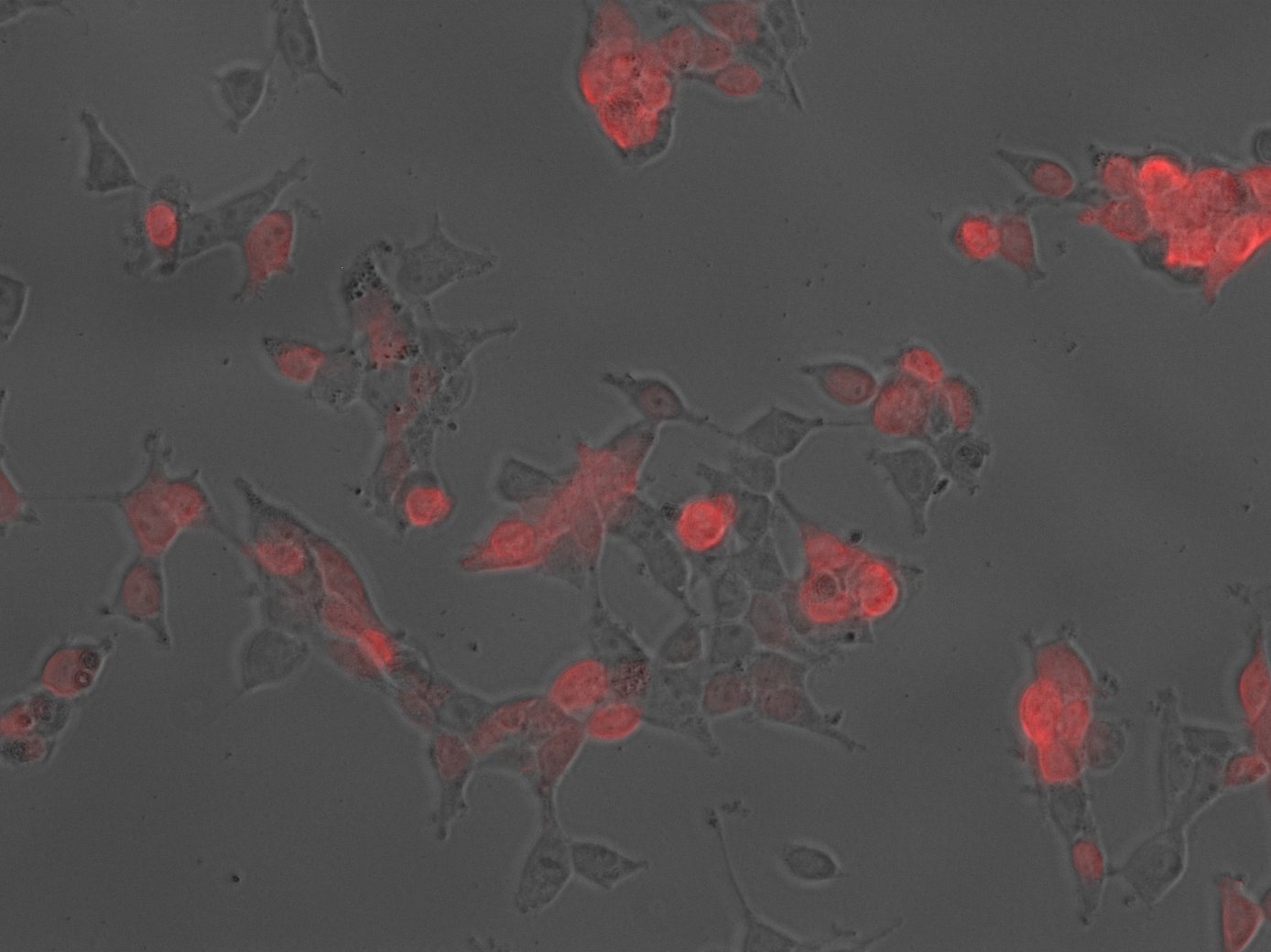
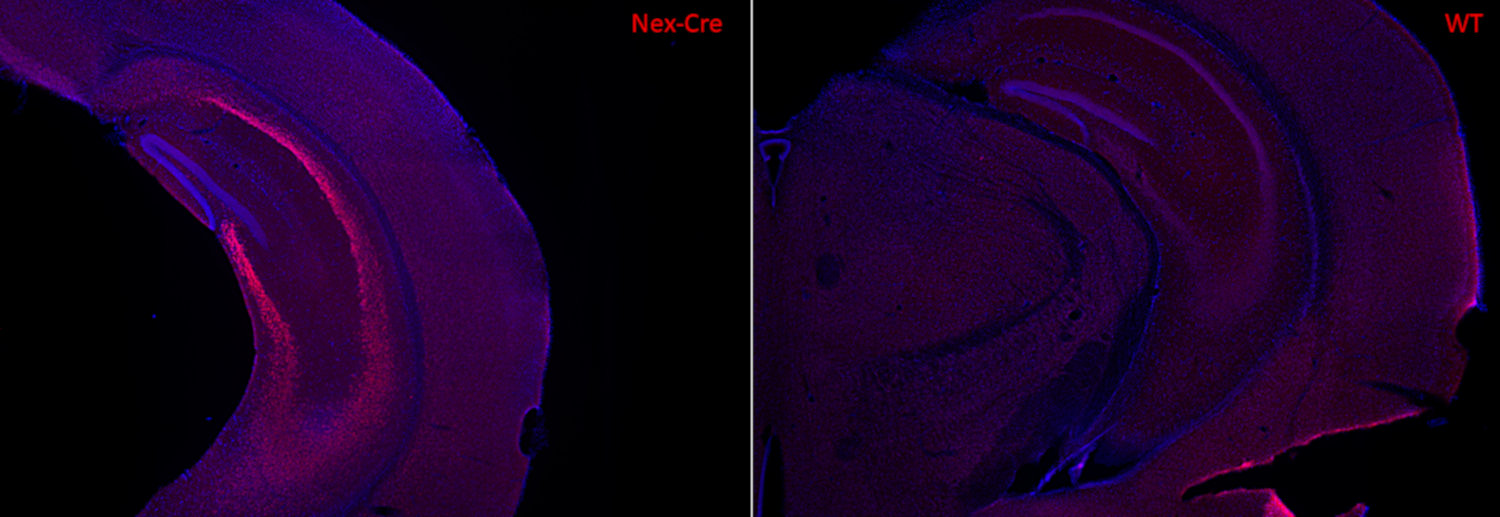
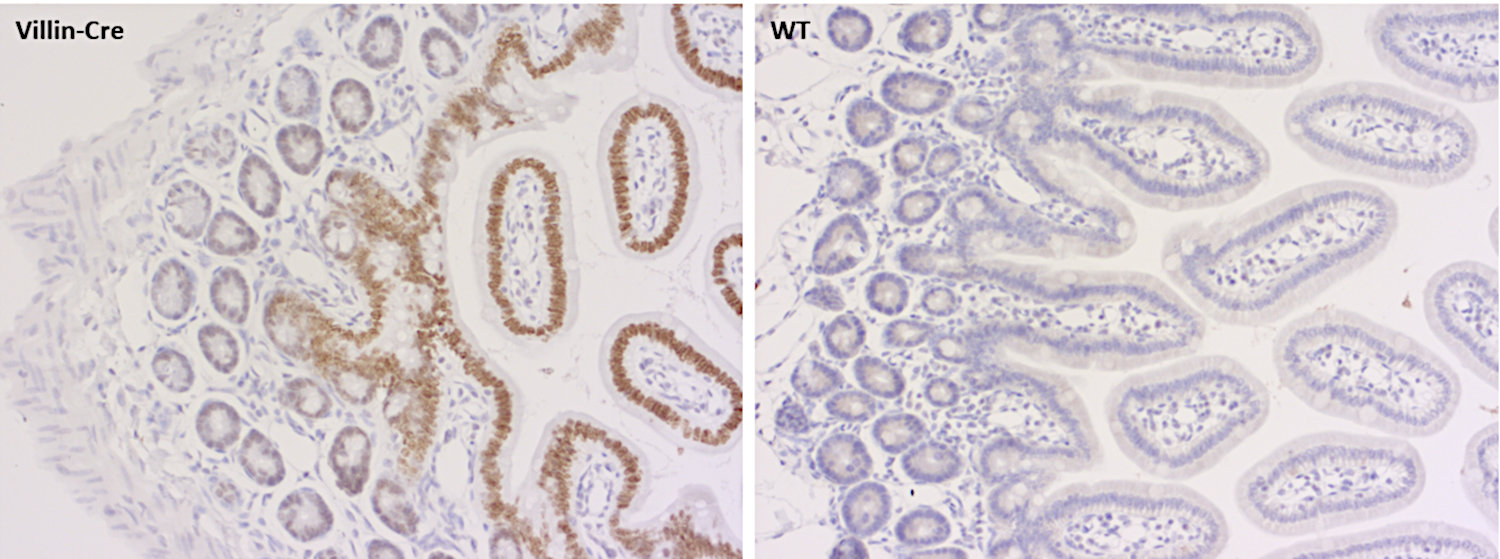
50 µg specific antibody, lyophilized. Affinity purified with the immunogen. Albumin and azide were added for stabilization. For reconstitution add 50 µl H2O to get a 1mg/ml solution in PBS. Then aliquot and store at -20°C to -80°C until use. Antibodies should be stored at +4°C when still lyophilized. Do not freeze! |
| Applications | |
| Immunogen | Full length recombinant Cre-recombinase from Bacteriophage P1. (UniProt Id: P06956) |
| Specificity | Recognizes Cre- and iCre-recombinase. |
| Data sheet | Data Sheet 257_005 |
|
|
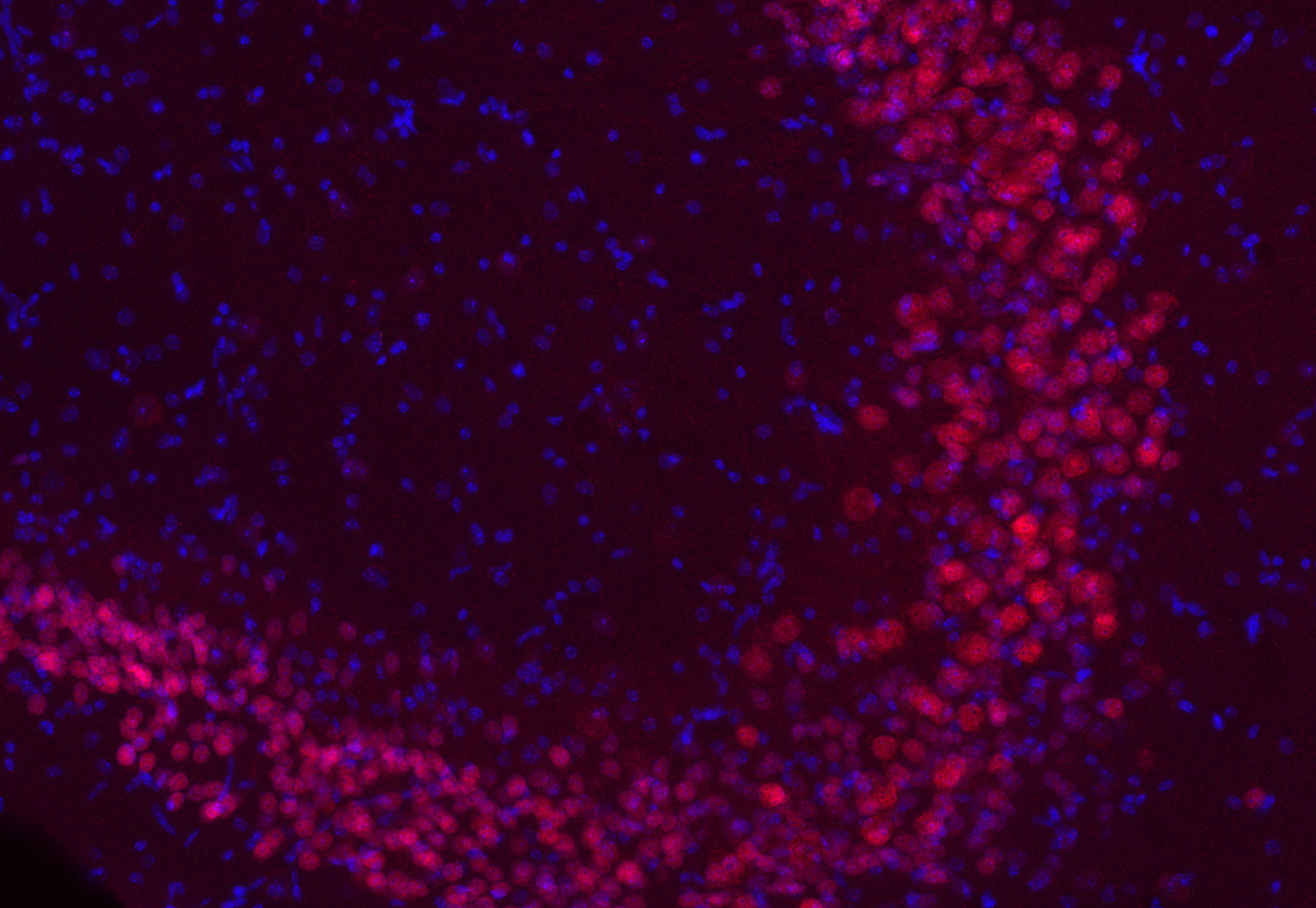
Cre-Recombinase is a site-specific DNA recombinase derived from bacteriophage P1. It is highly specific for a 34 bp DNA sequence (loxP) found in P1 DNA and catalyzes site-specific recombination between two 34-base-pair LOXP recognition sites, enabling precise deletion, inversion, or activation of DNA sequences. Its role is to maintain the phage genome as a monomeric unit-copy plasmid in the lysogenic state [1].
In experimental biology, Cre is commonly expressed under tissue-, cell-, or temporally specific promoters, allowing conditional manipulation of genes in transgenic and knockout mouse models [2, 3]. Inducible variants such as Cre-ERT are fused to a modified estrogen receptor domain and can be activated by tamoxifen, providing temporal control of recombination [4].
Certificates
ISO 9001 2015 Quality Management System and Green Lab Platinum certification level for sustaining laboratory processes.


Newsletter
Sign up for our newsletter and get the latest updates and news.