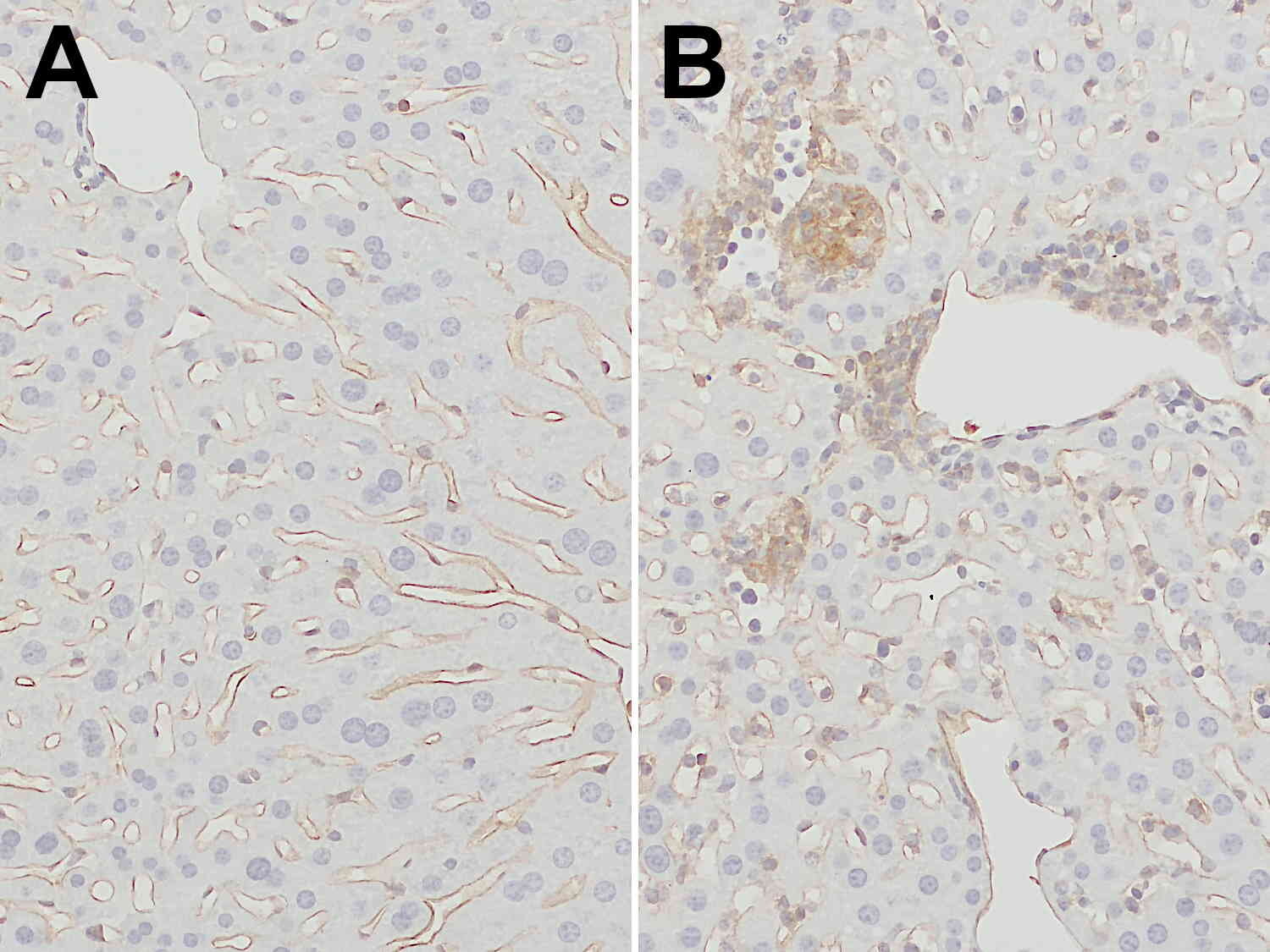
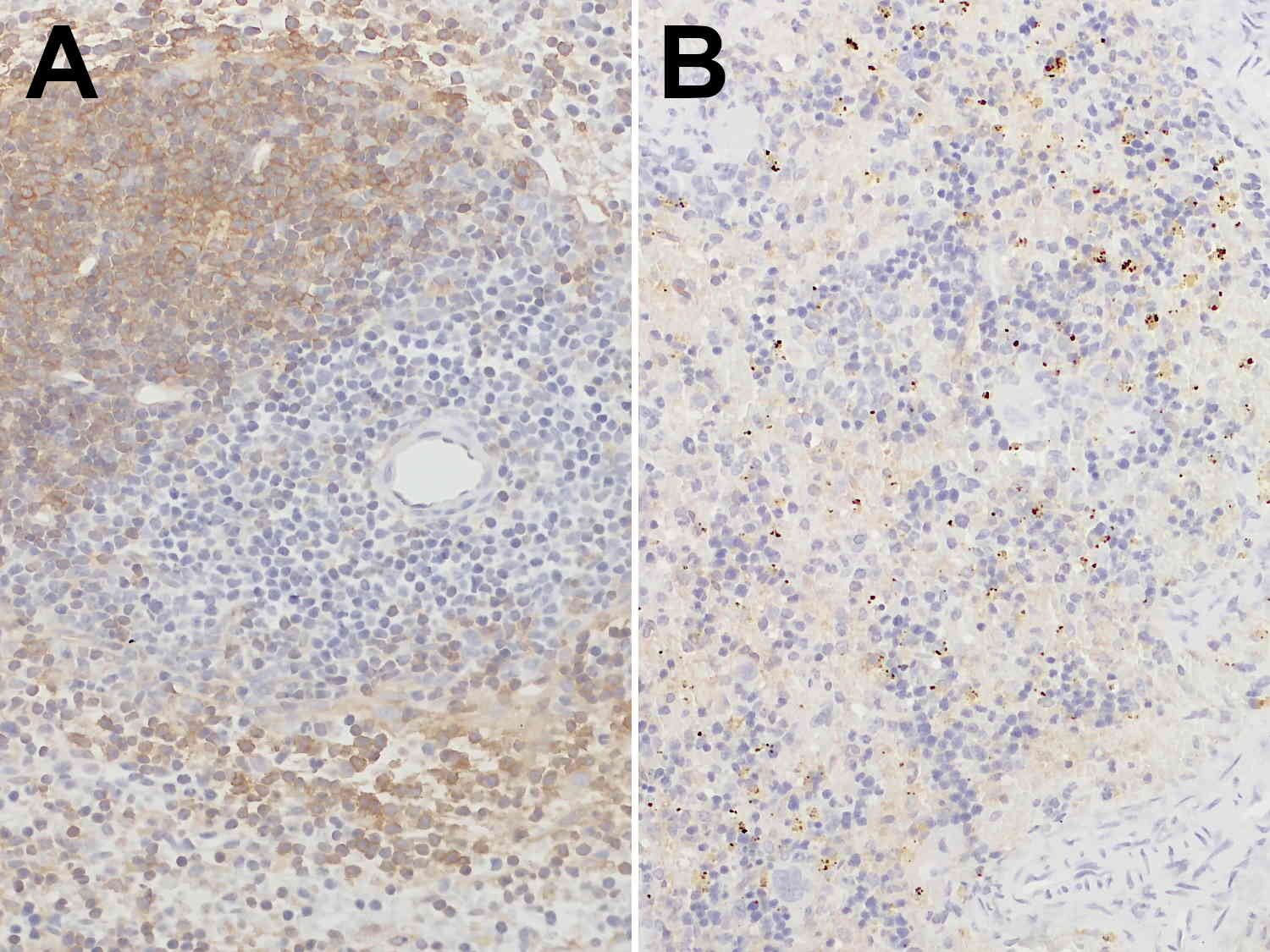
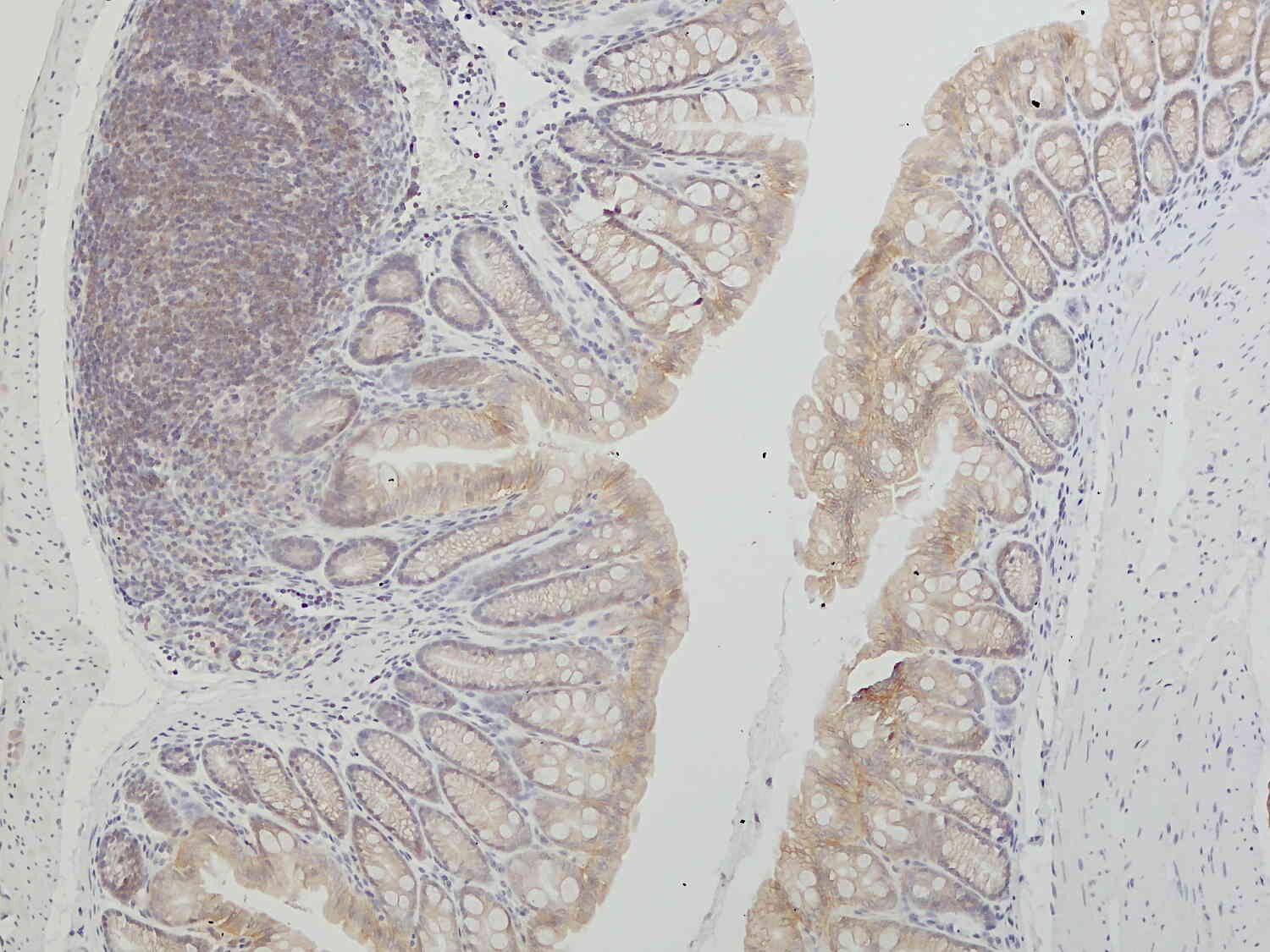
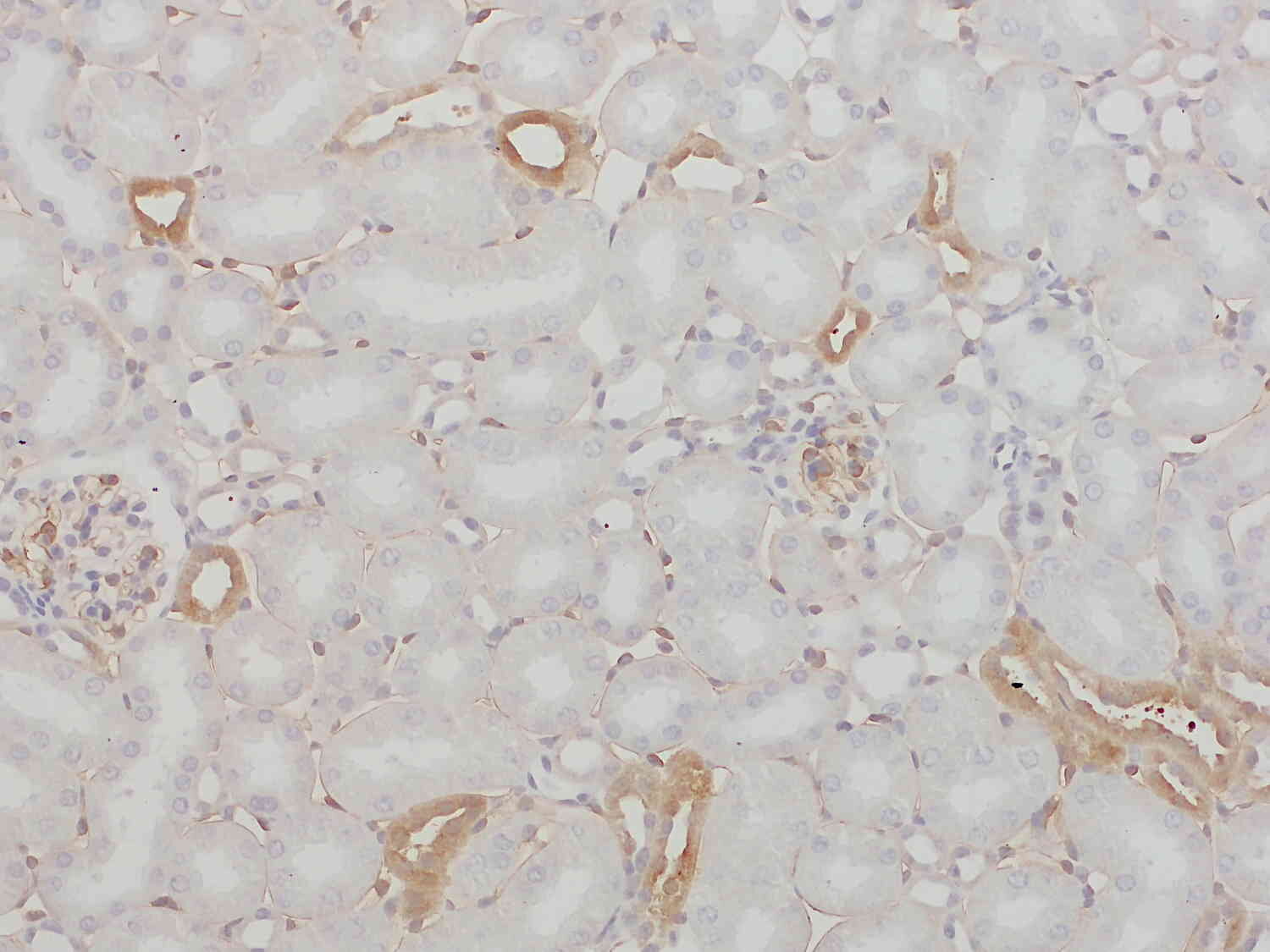
Cat. No.: HS-537 003
Amount: 50 µg
Price:
$375.00


|

|
|
| Cat. No. HS-537 003 |
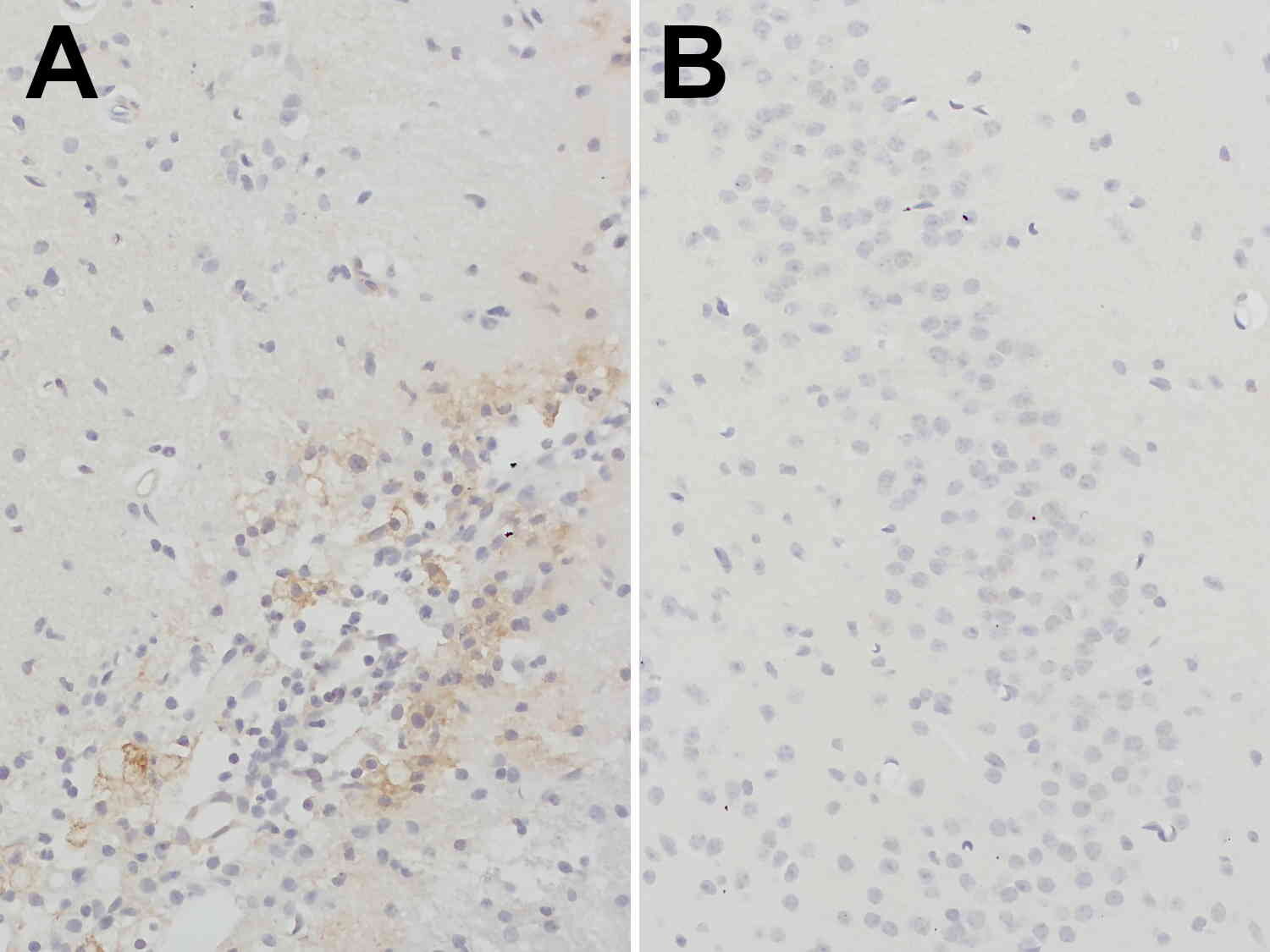
50 µg specific antibody, lyophilized. Affinity purified with the immunogen. Albumin and azide were added for stabilization. For reconstitution add 50 µl H2O to get a 1mg/ml solution in PBS. Then aliquot and store at -20°C to -80°C until use. Antibodies should be stored at +4°C when still lyophilized. Do not freeze! |
| Applications | |
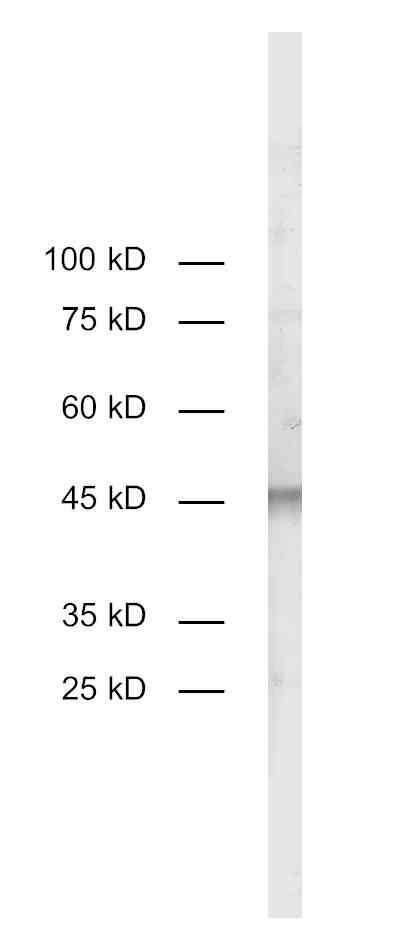
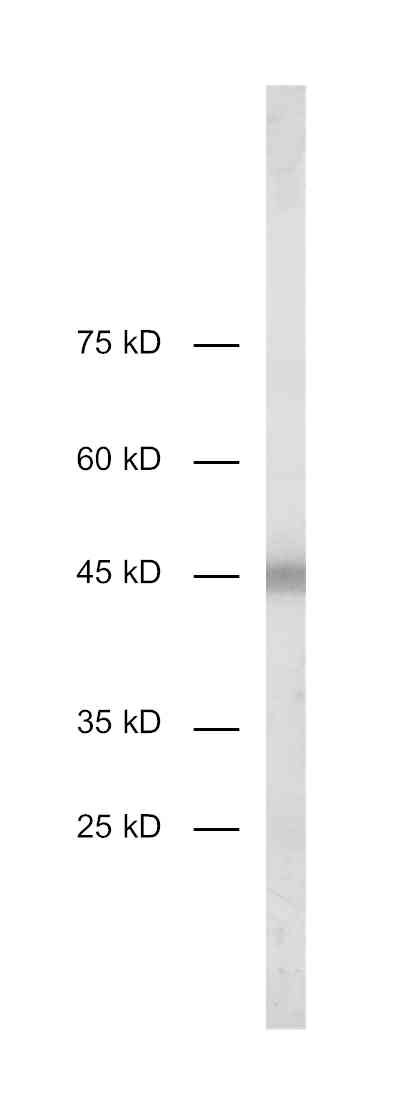
| Immunogen | Synthetic peptide corresponding to residues near the amino terminus of mouse CD38 (UniProt Id: P56528) |
| Reactivity |
Reacts with: mouse (P56528). No signal: rat (Q64244), human (P28907). Other species not tested yet. |
| Remarks |
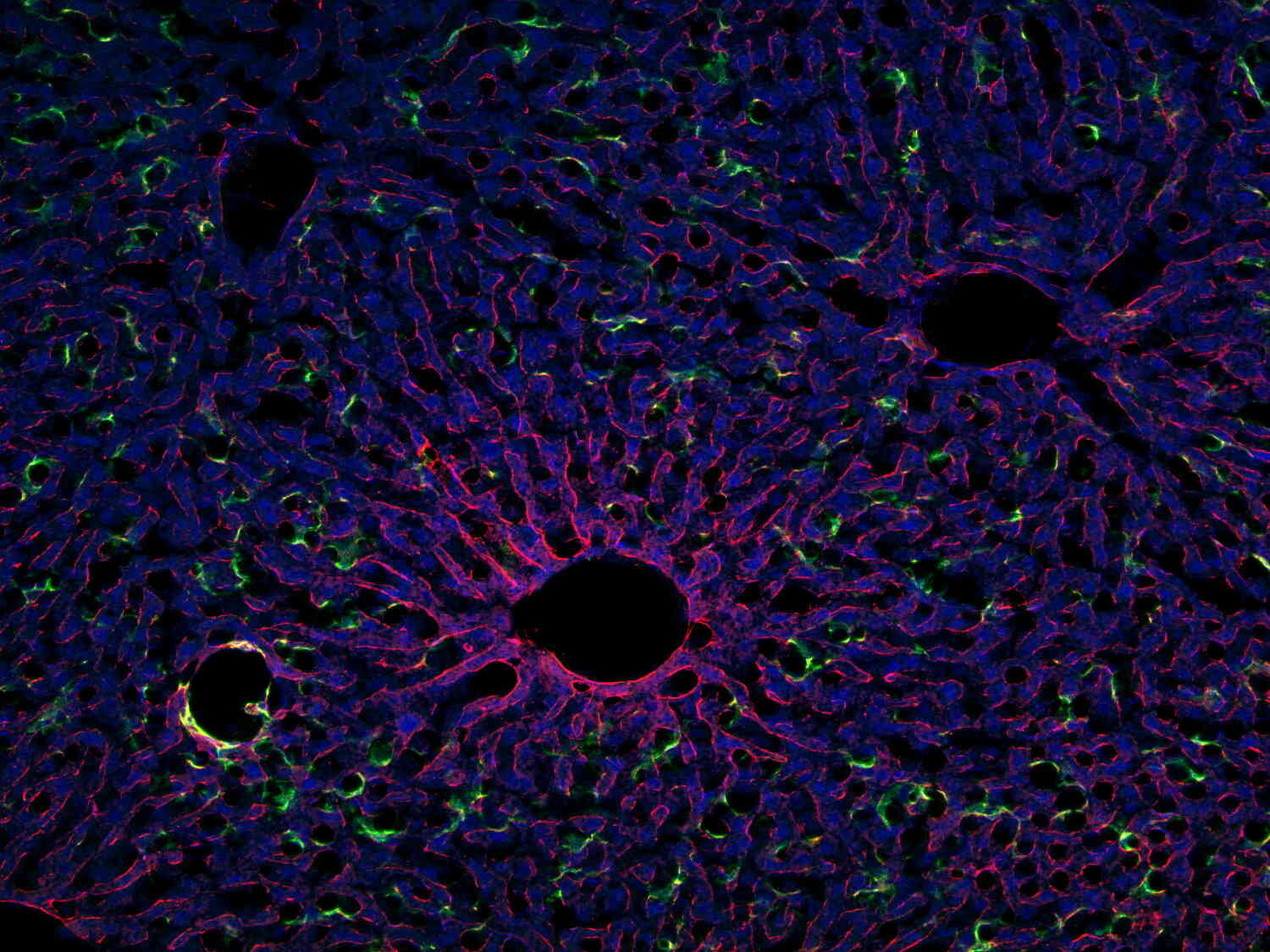
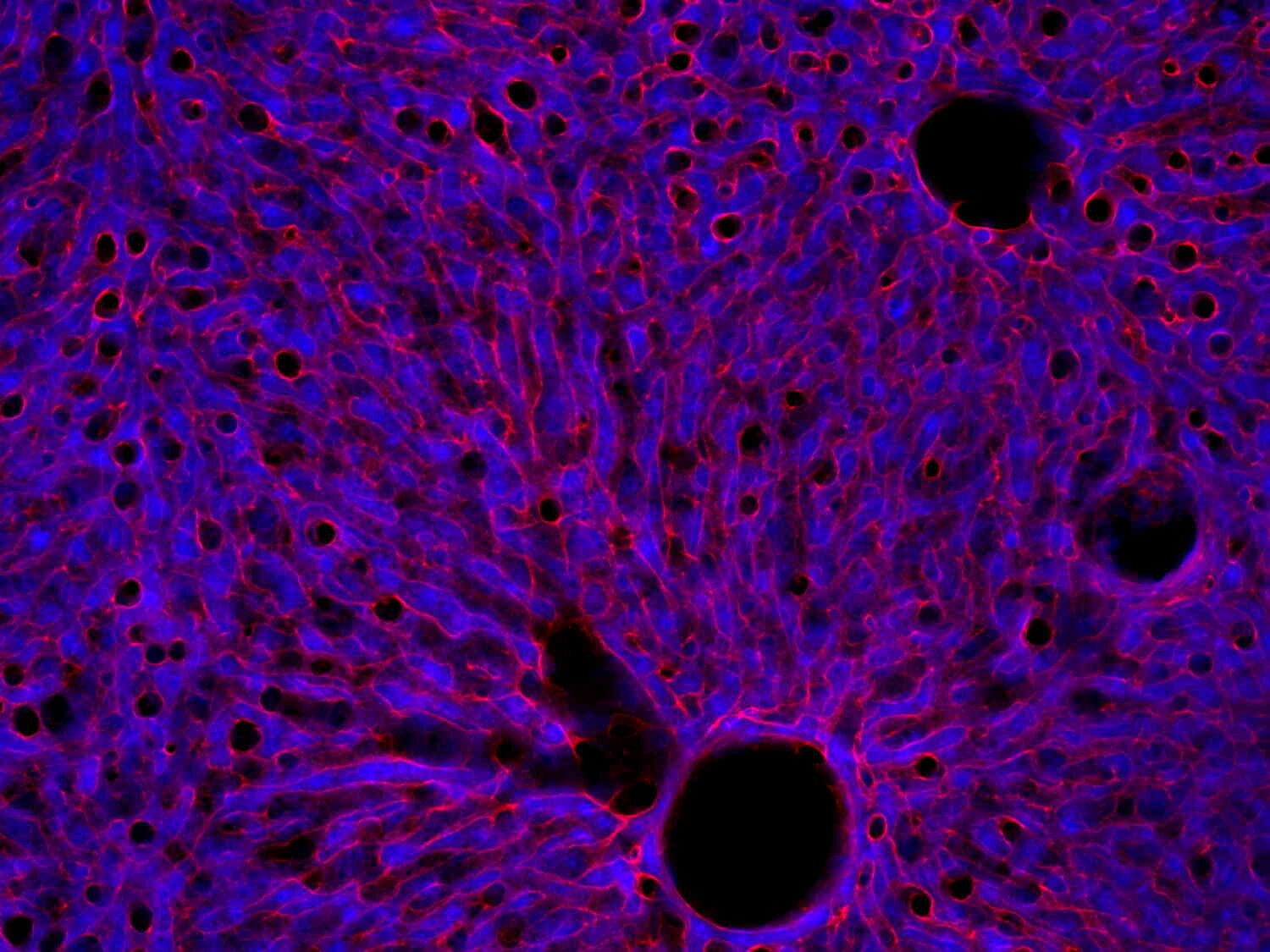
IHC: One of the following antigen retrievals is required: Tris-EDTA buffer pH 9, citrate buffer pH 6. |
| Data sheet | Data Sheet hs-537_003 |
|
|
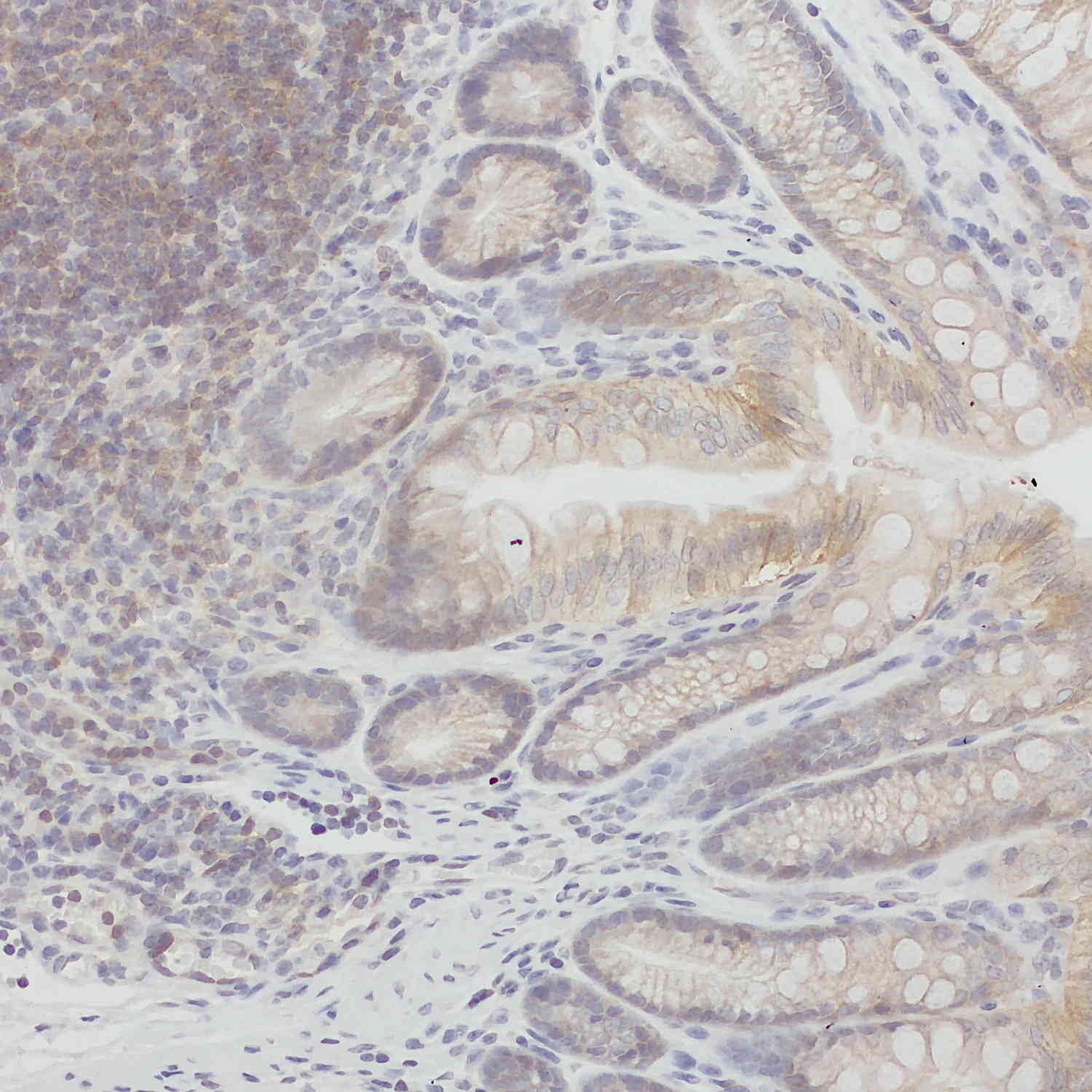
CD38 is highly expressed on immune cells in the mouse colon mucosa
CD38 is a 45-kD transmembrane glycoprotein that functions as both an ectoenzyme and a receptor. Its catalytic domain cleaves NAD⁺ and NADP⁺ to produce cyclic ADP-ribose (cADPR), ADP-ribose (ADPR), and NAADP. These reaction products mobilize intracellular Ca²⁺ stores and influence Ca²⁺ signaling (1). As a receptor, CD38 binds to CD31, mediating immune cell adhesion and transmigration across endothelial barriers (2). CD38 also associates with various membrane proteins or complexes, such as CD16, T cell receptors, and B cell receptors (3). CD38 is expressed almost universally among multiple immune cell populations, including T cells, B cells, NK cells, plasma cells, and macrophages, and its expression is induced by pro-inflammatory cytokines, such as tumor necrosis factor alpha (TNFα), interferon gamma (IFNγ), and the bacterial component lipopolysaccharide (LPS) (3). Non-hematopoietic tissue expression includes prostatic epithelial cells, pancreatic islets, airway and vascular smooth muscle cells, the kidney, the intestinal epithelium, and the brain (4). Elevated CD38 activity has been linked to several diseases, including allergic inflammation and asthma, chronic lymphocytic leukemia (CLL), multiple myeloma (5), autoimmune diseases (4), heart disease and neurological disorders (6). CD38 levels also increase with aging and play a role in age-related diseases (7).
Certificates
ISO 9001 2015 Quality Management System and Green Lab Platinum certification level for sustaining laboratory processes.

Newsletter
Sign up for our newsletter and get the latest updates and news.