Cat. No.: 559 103
Amount: 50 µg
Price:
$380.00


|

|
|
| Cat. No. 559 103 |
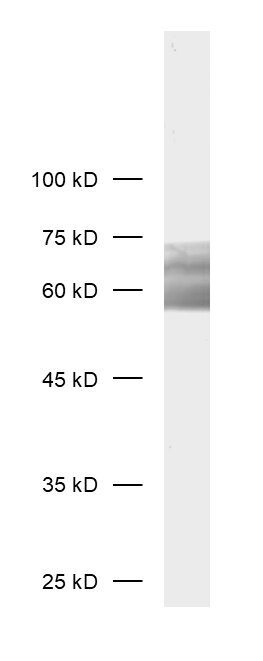
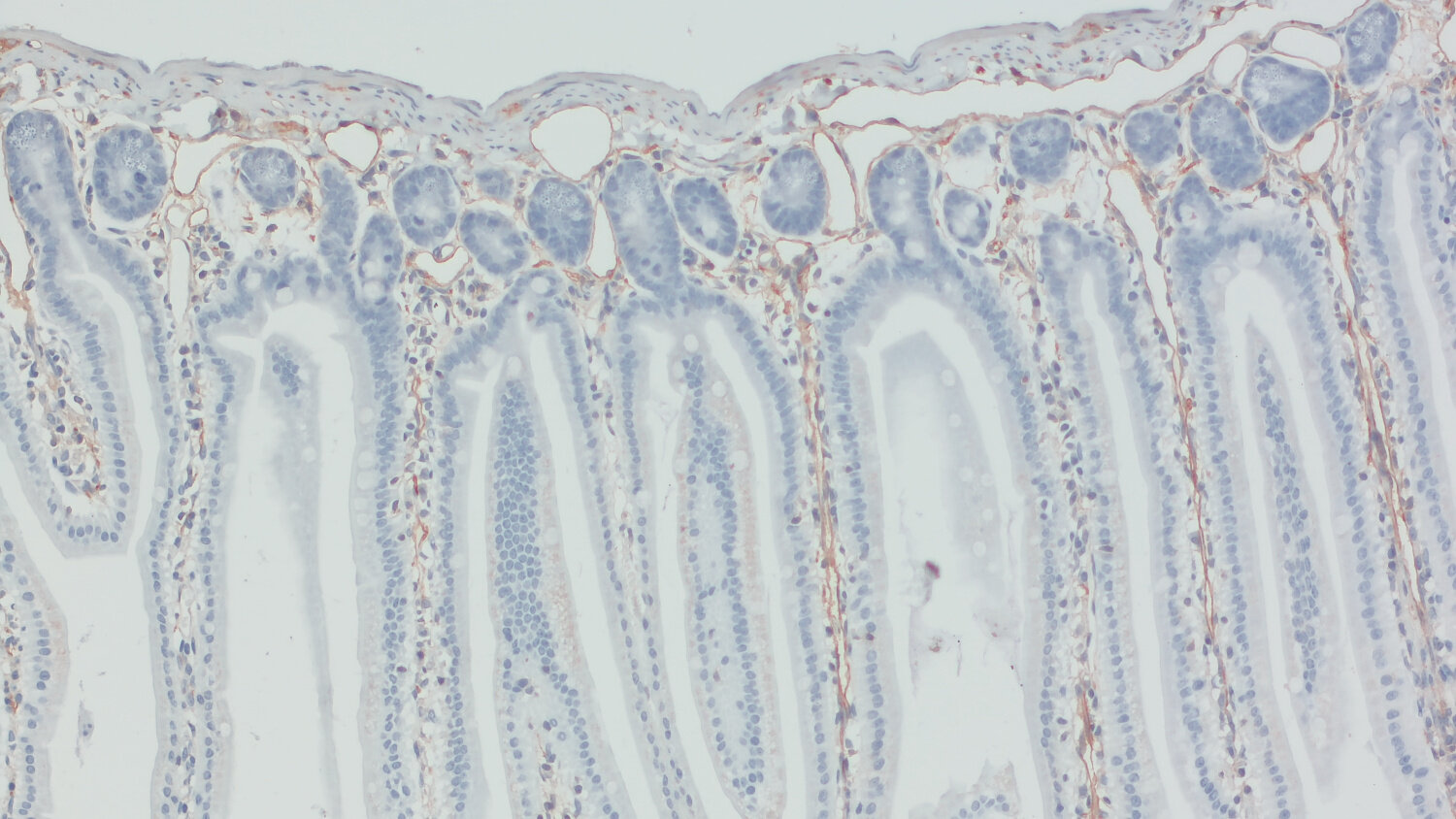
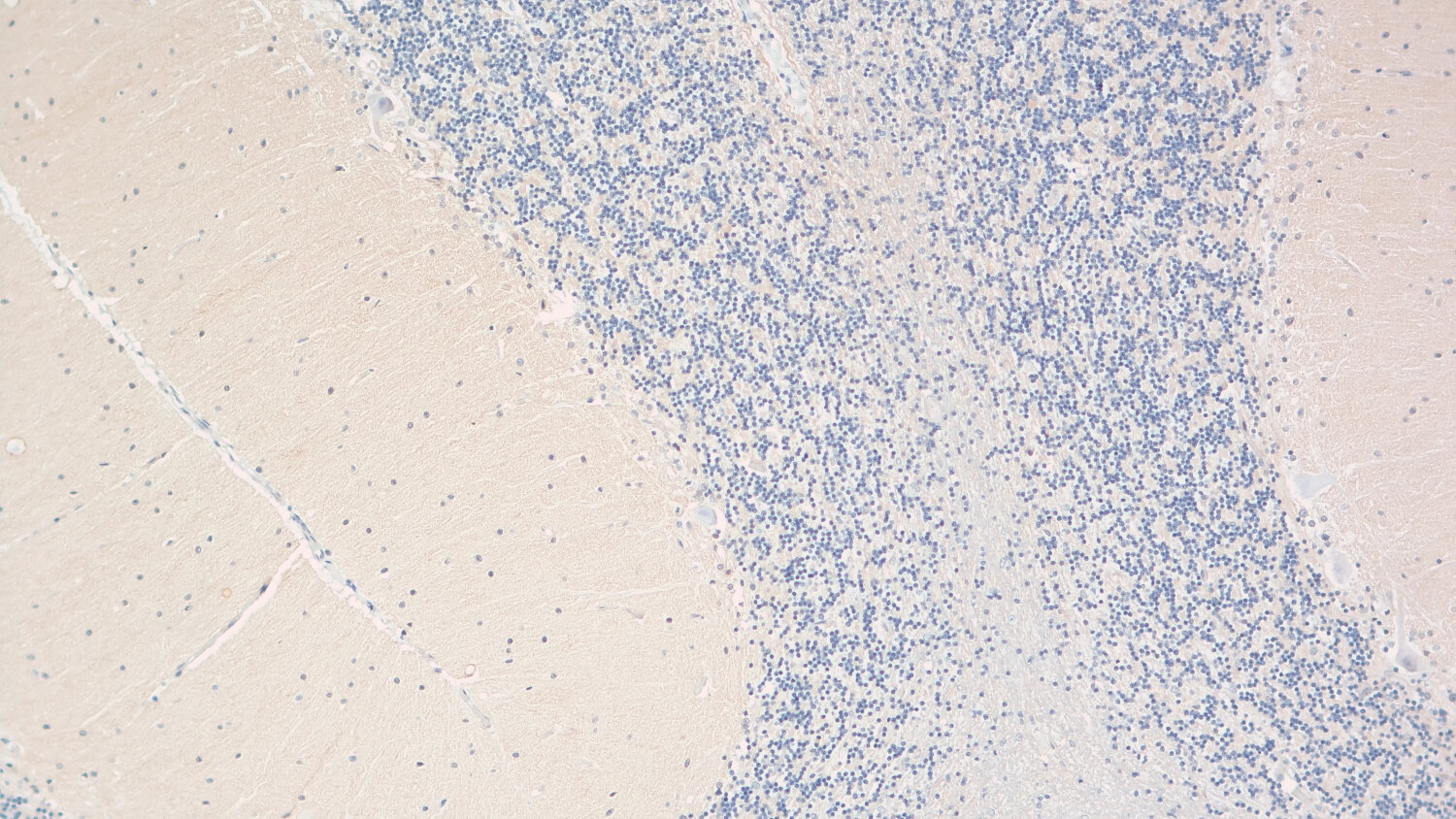
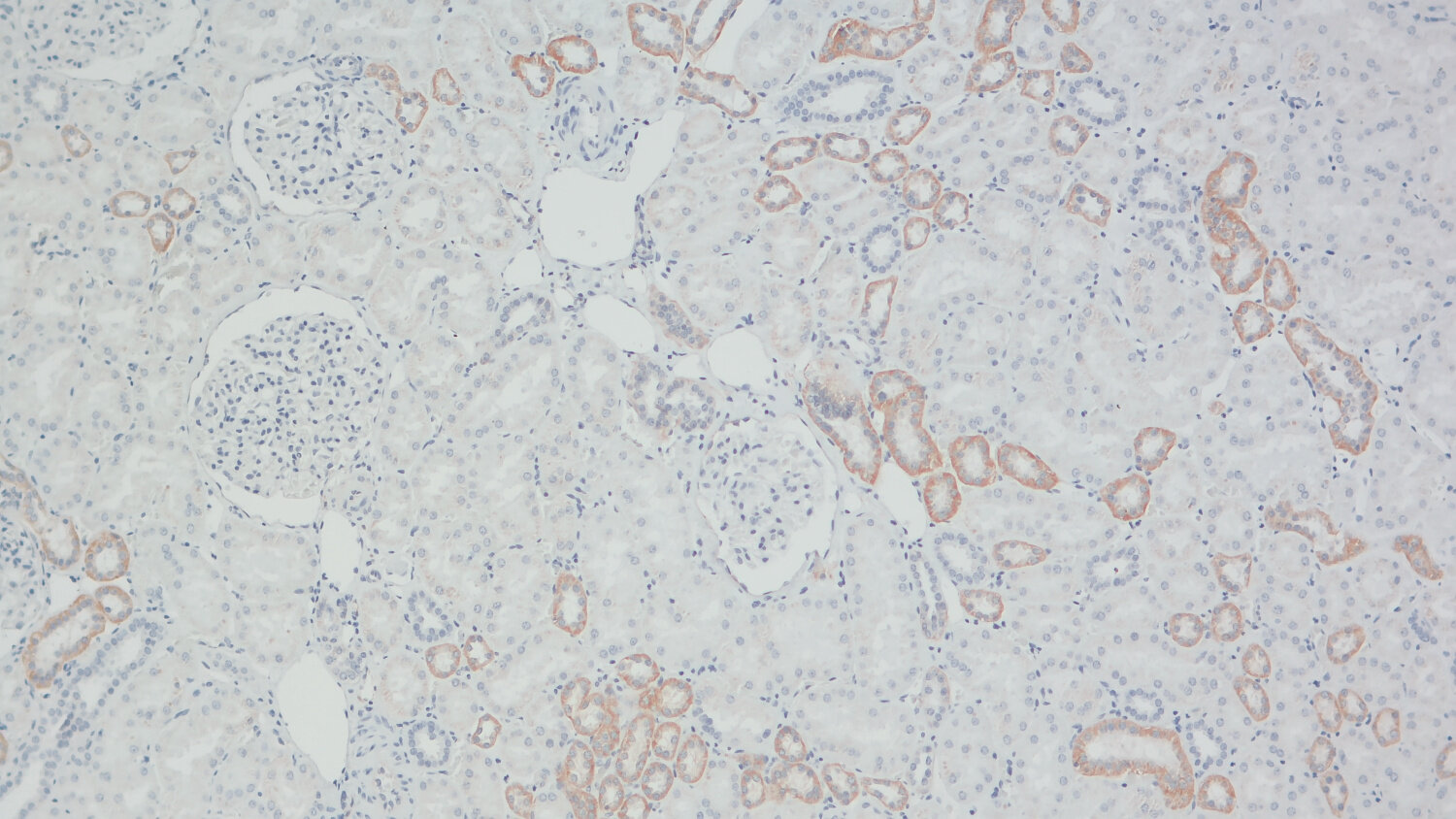
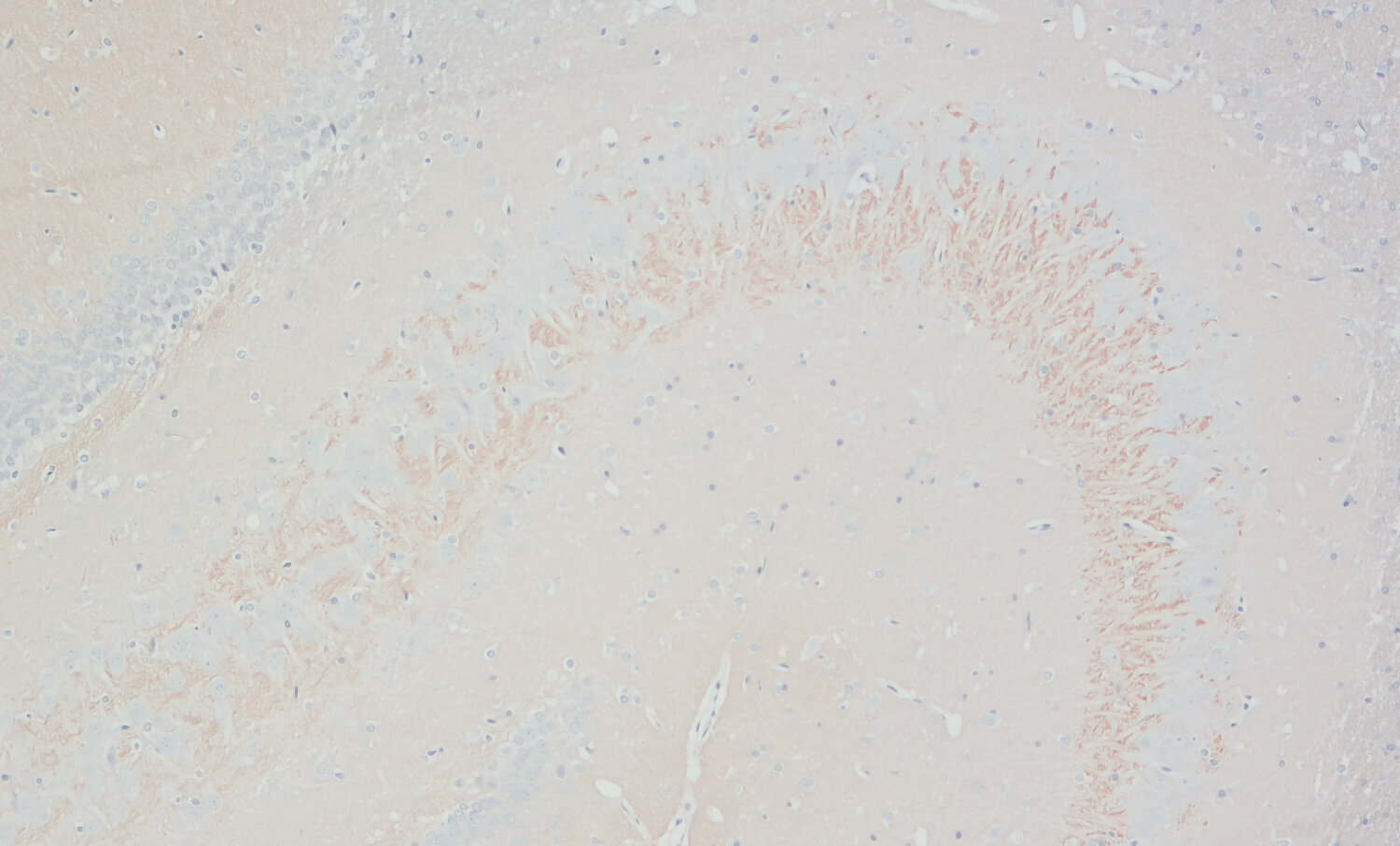
50 µg specific antibody, lyophilized. Affinity purified with the immunogen. Albumin and azide were added for stabilization. For reconstitution add 50 µl H2O to get a 1mg/ml solution in PBS. Then aliquot and store at -20°C to -80°C until use. Antibodies should be stored at +4°C when still lyophilized. Do not freeze! |
| Applications | |
| Immunogen | Recombinant protein corresponding to the N-terminal half of mouse paralemmin1 (UniProt Id: Q9Z0P4-2) |
| Reactivity |
Reacts with: mouse (Q9Z0P4-2), rat (Q920Q0), human (O75781-2). Other species not tested yet. |
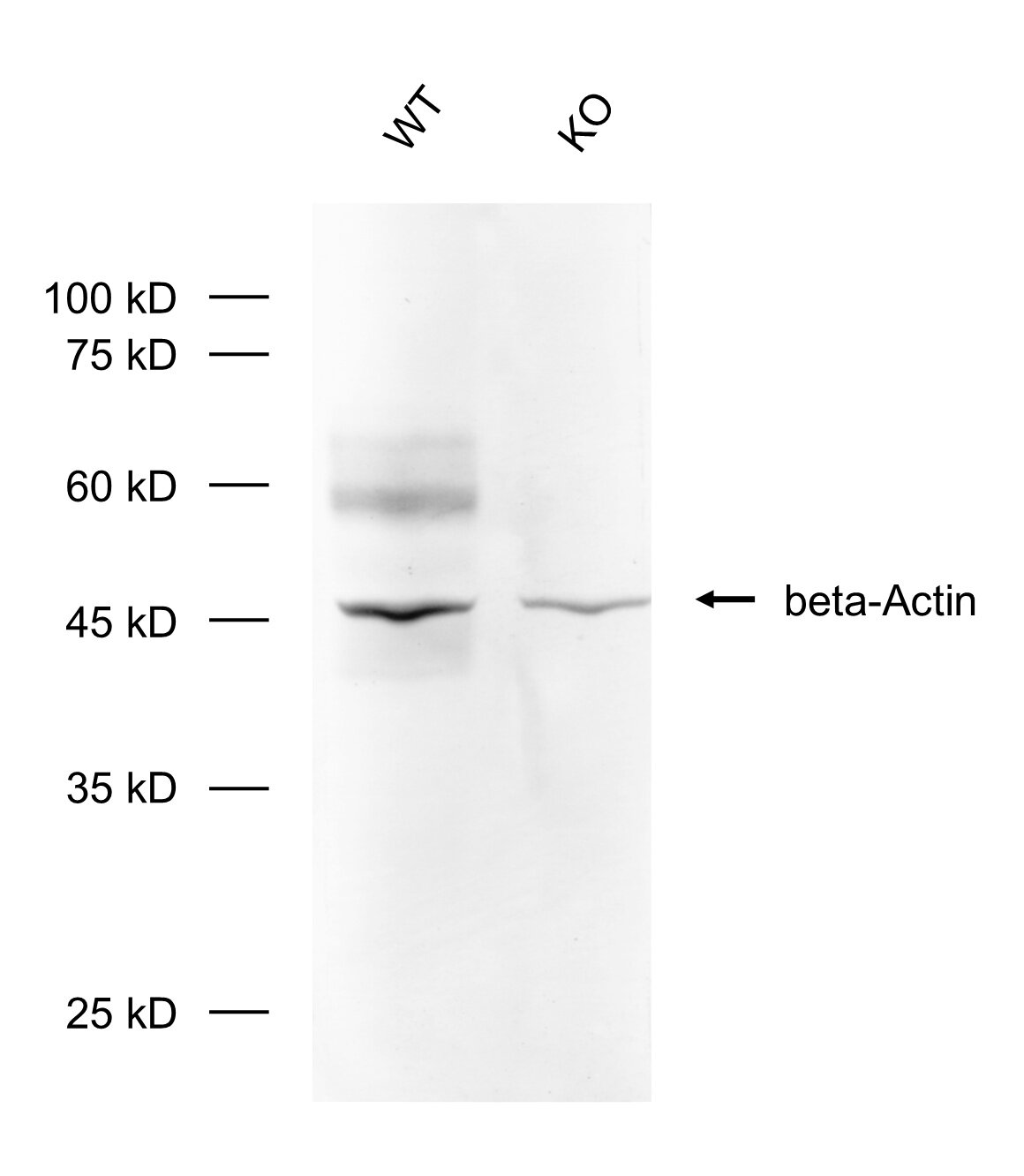
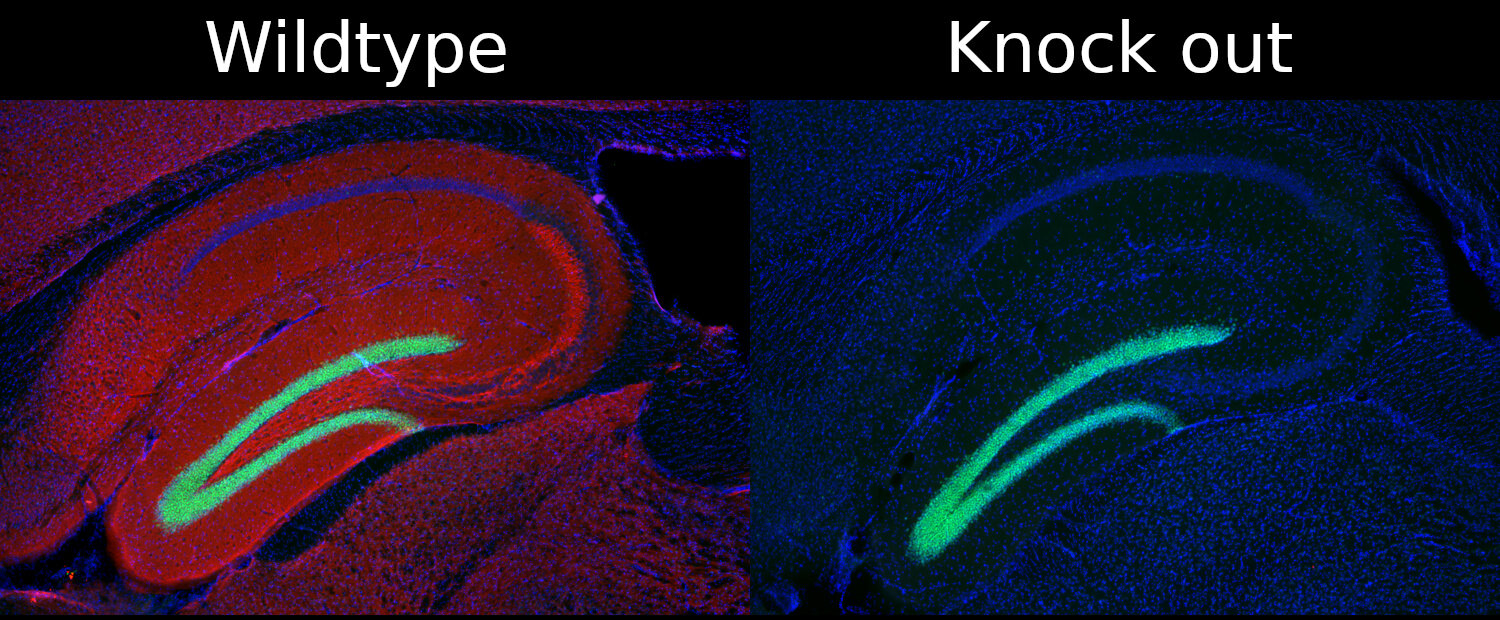
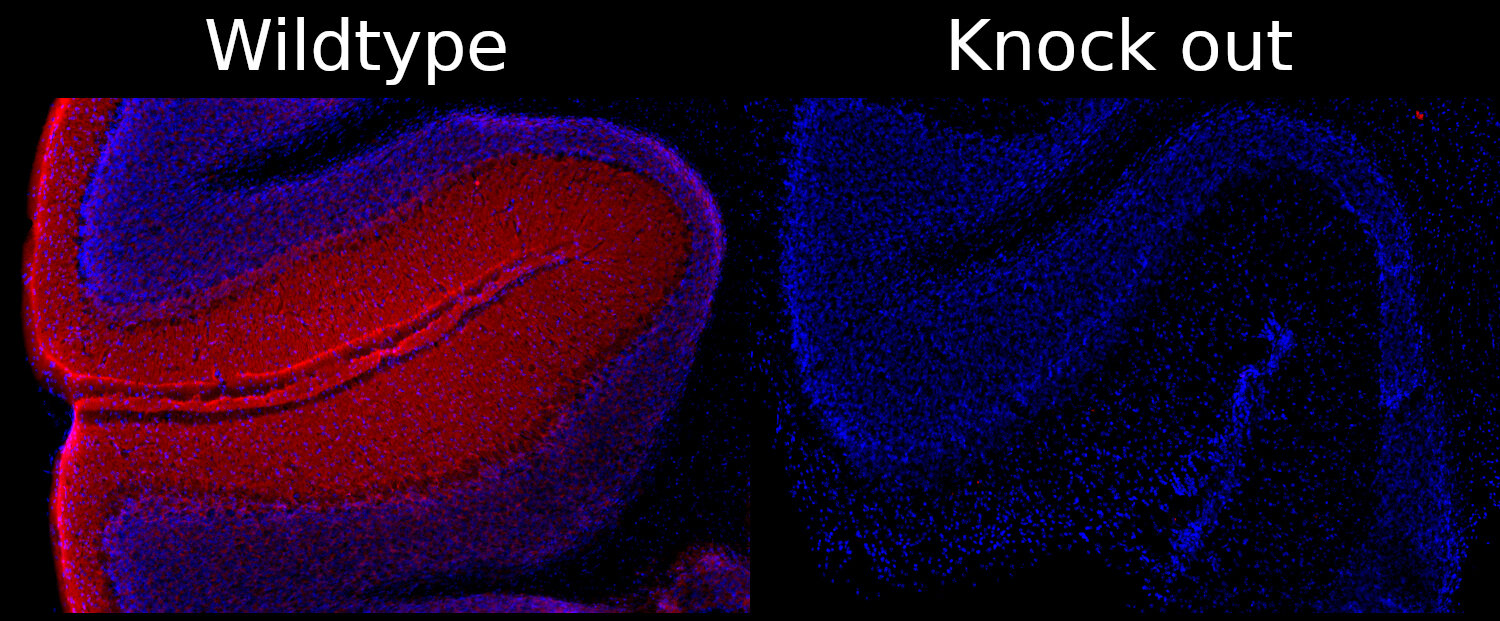
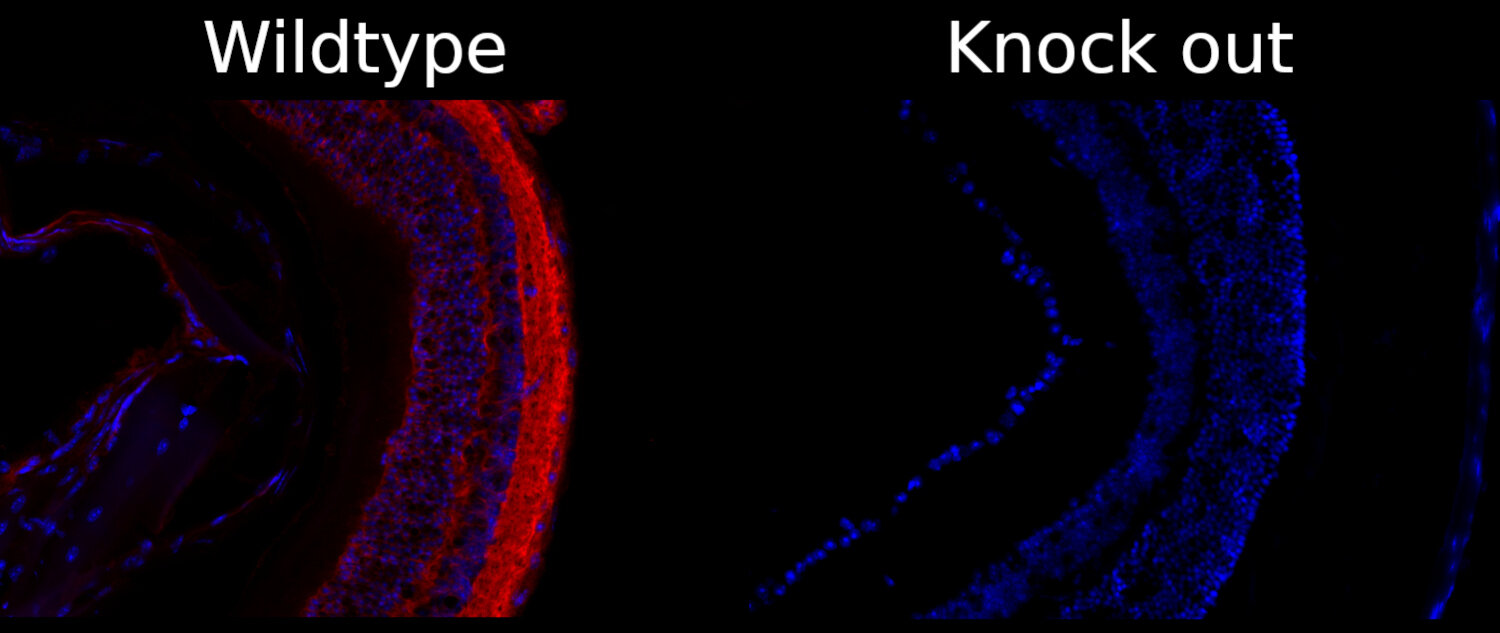
| Specificity | K.O. validated PubMed: 40053592 |
| Data sheet | Data Sheet 559_103 |
|
|
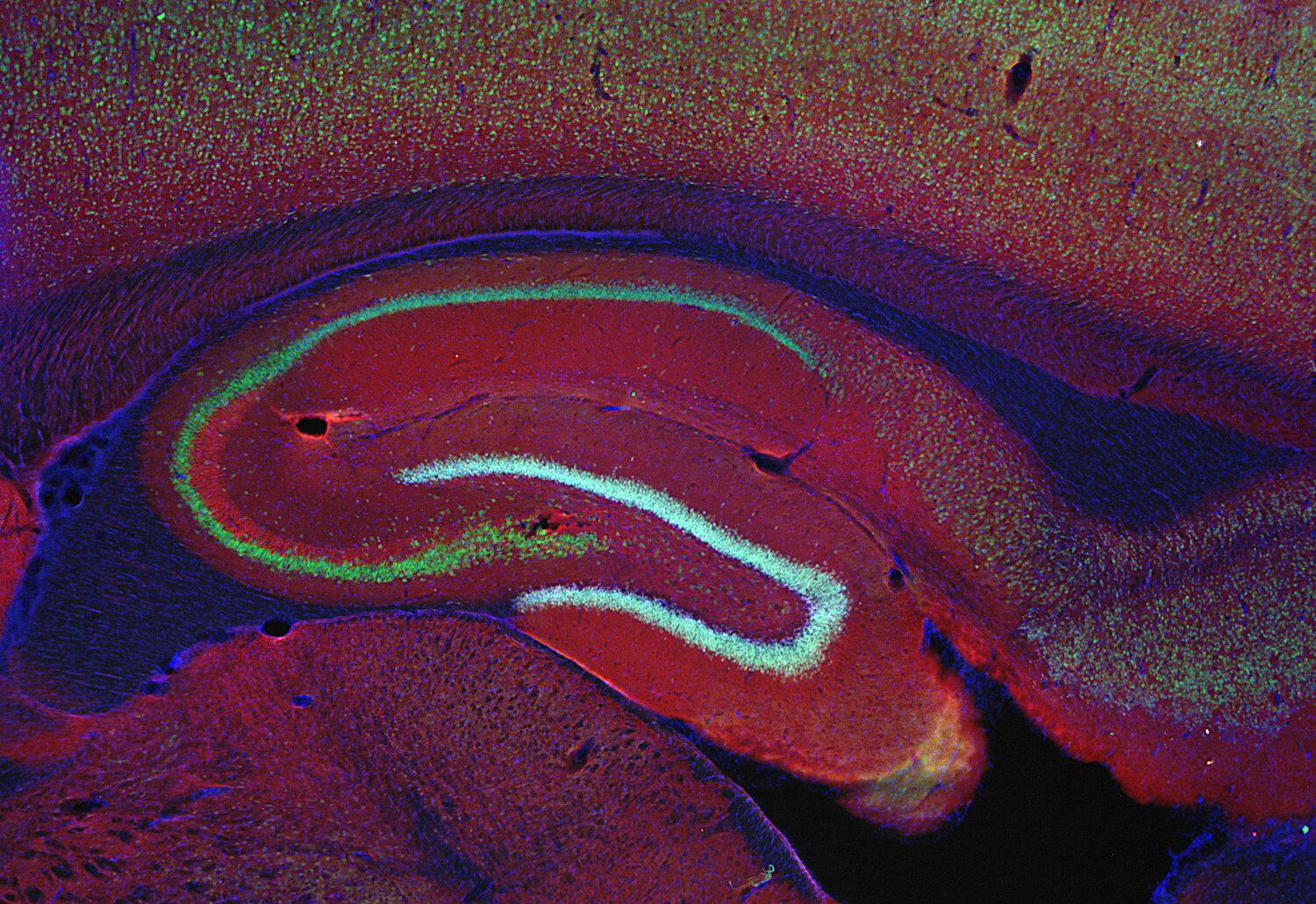
Immunofluorescence image of a rat hippocampus section stained for Paralemmin1 (red), NeuN (green), and Prox1 (white)
Paralemmin-1 (PALM1) is an alternatively spliced phosphoprotein of the paralemmin family, defined by a conserved paralemmin motif and a C-terminal prenylation/di-palmitoylation cysteine cluster (CaaX-like anchor) that targets the protein to the cytoplasmic face of membranes.
Paralemmin1 belongs to the Paralemmin family comprising four members (paralemmin1, ‑2, ‑3 and palmdelphin), which share a conserved domain structure. Palmdelphin is lacking the C‑terminal lipid anchor (3).
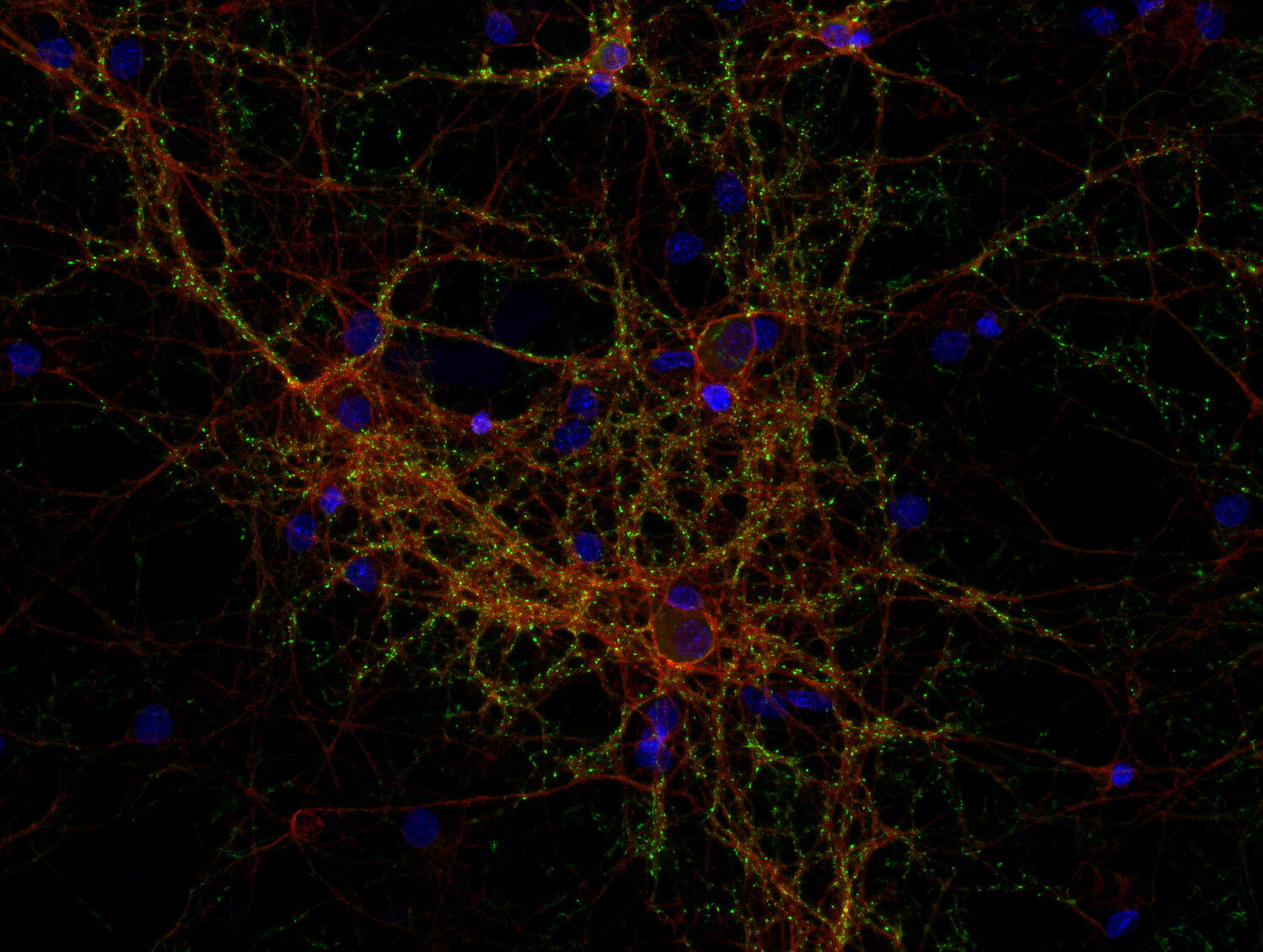
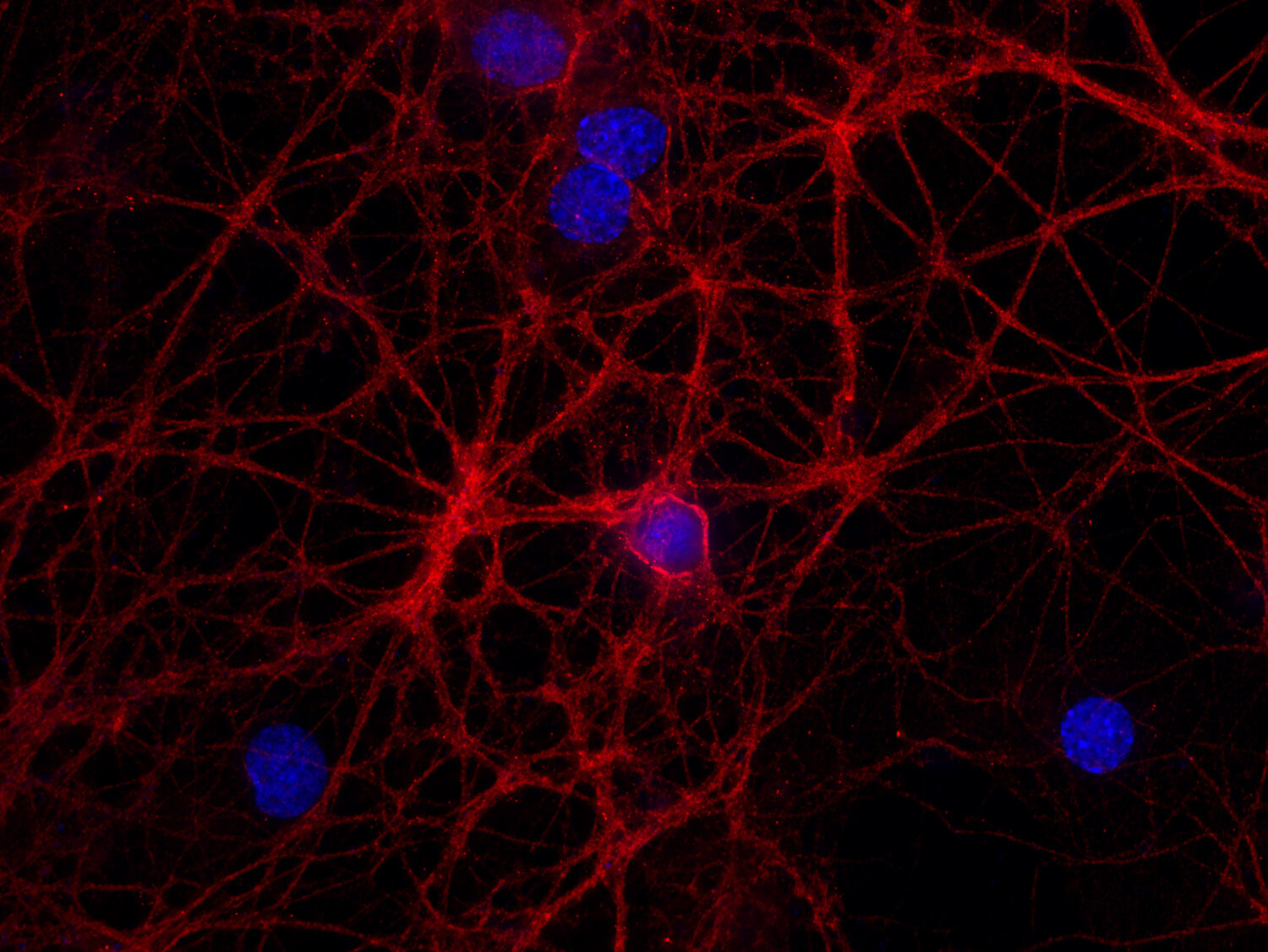
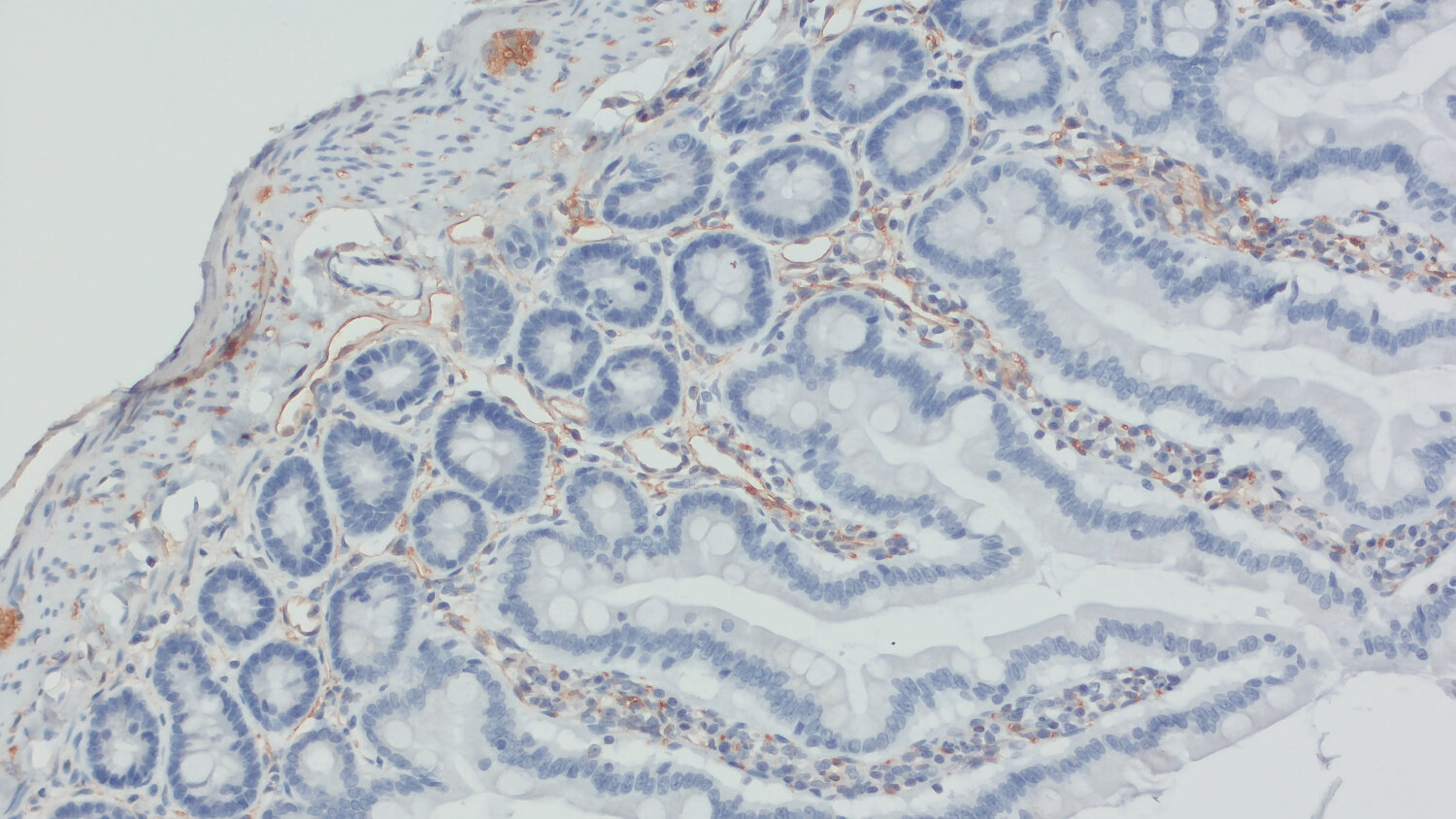
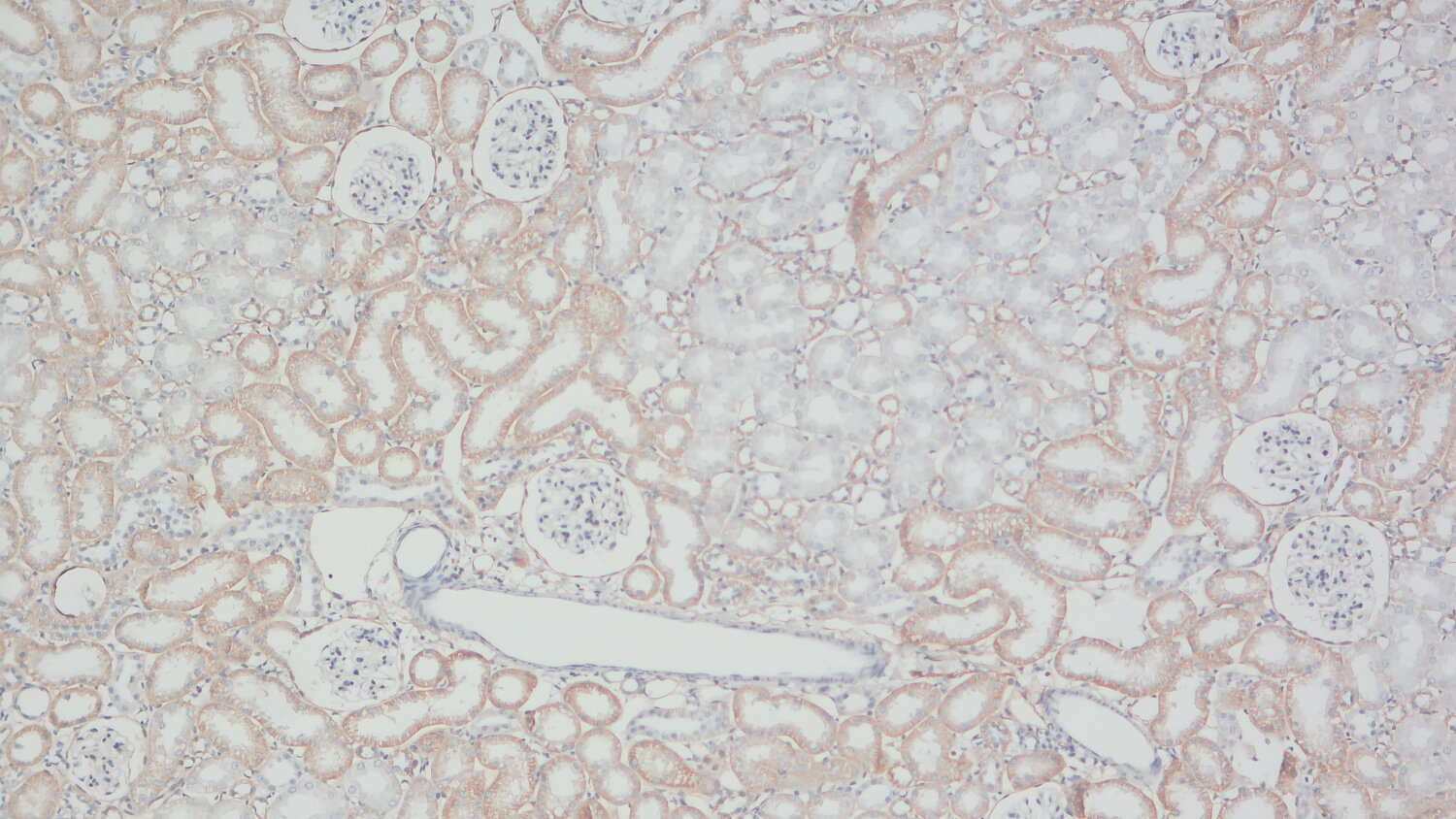
Functionally, Paralemmin-1 acts as a membrane-shape regulator linked to plasma-membrane dynamics, filopodia/process formation, dendritic spine maturation, and receptor-associated signaling (1, 2, 4). It localizes in discontinuous patches at the plasma membrane and endomembranes, prominently in neuronal perikarya, axons, dendrites, dendritic spines, and also in glial processes. Polarized membrane localization is seen in kidney and adrenal epithelia (1, 3). Paralemmin-1 expression is highest in brain, but also occurs in kidney, adrenal gland, lens fiber cells, retina, and lymphatic endothelial cells (1, 3, 5). Pathologically, increased paralemmin-1 is associated with breast cancer and contributes to tumor lymphangiogenesis (4, 5).
Certificates
ISO 9001 2015 Quality Management System and Green Lab Platinum certification level for sustaining laboratory processes.

Newsletter
Sign up for our newsletter and get the latest updates and news.