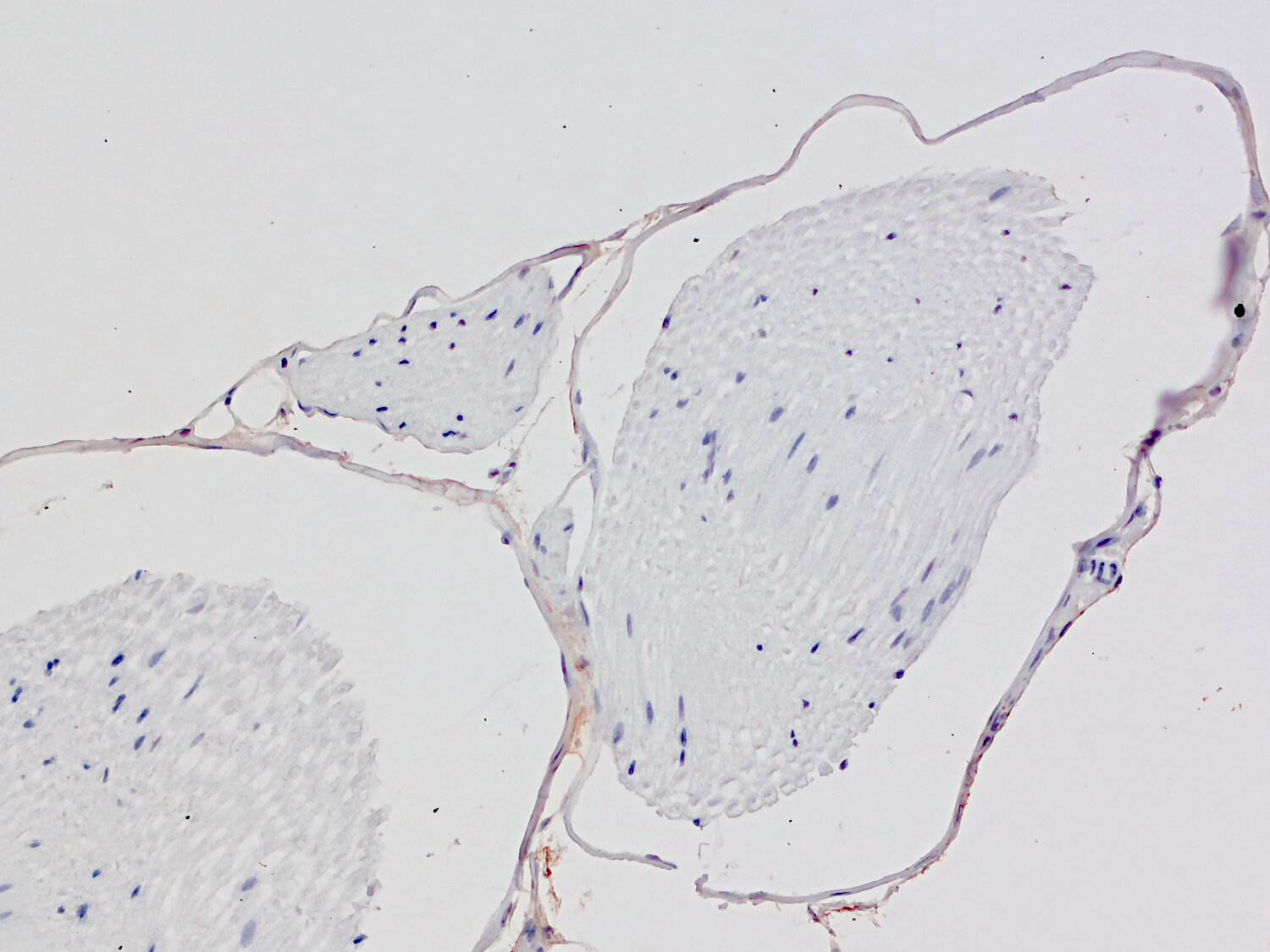
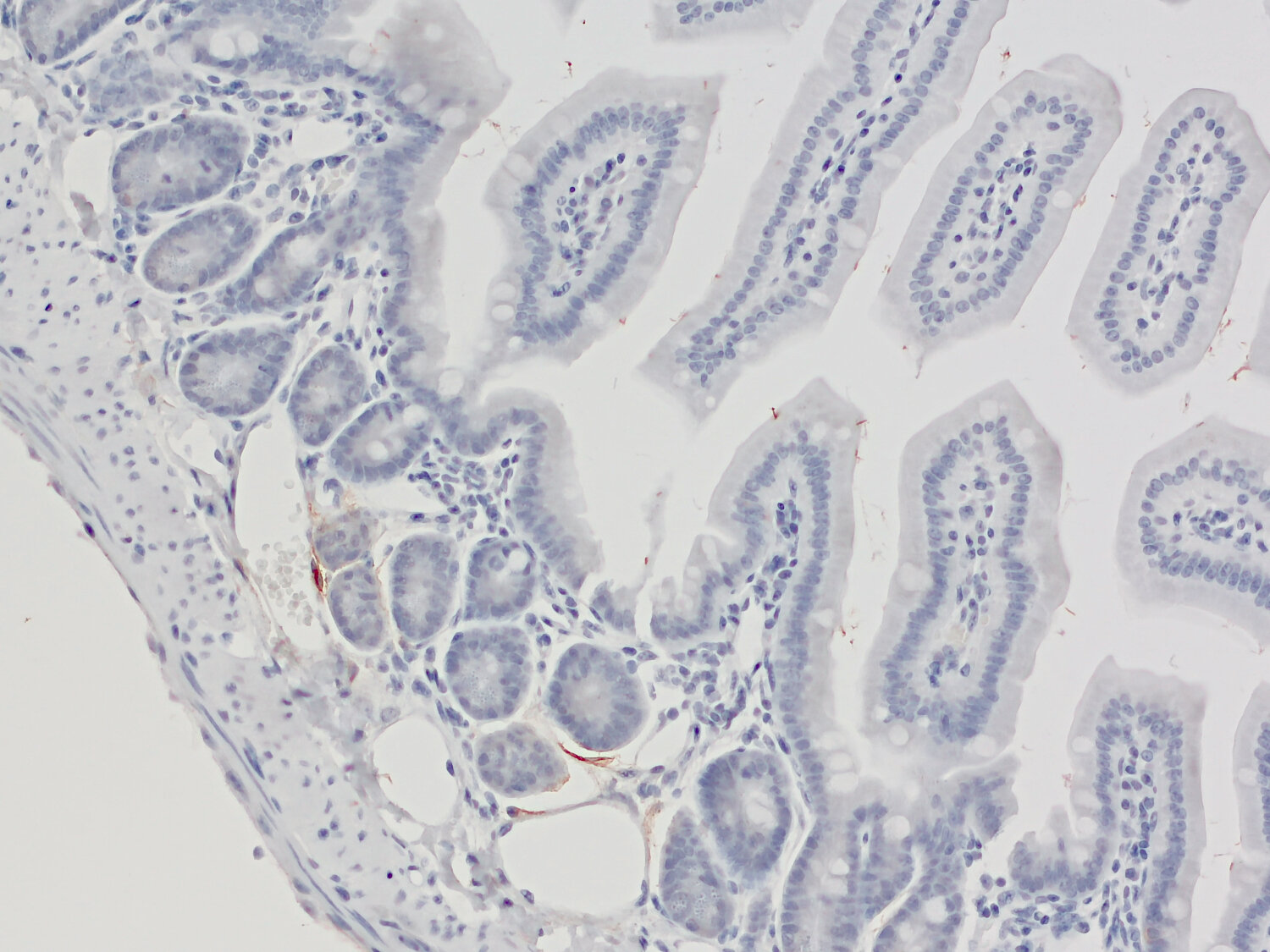
Cat. No.: 558 004
Amount: 100 µl
Price:
$370.00


|

|
|
| Cat. No. 558 004 |
100 µl antiserum, lyophilized. For reconstitution add 100 µl H2O, then aliquot and store at -20°C until use. Antibodies should be stored at +4°C when still lyophilized. Do not freeze! |
| Applications | |
| Immunogen | Recombinant protein corresponding to residues near the central region of mouse PI16 (UniProt Id: Q9ET66) |
| Reactivity |
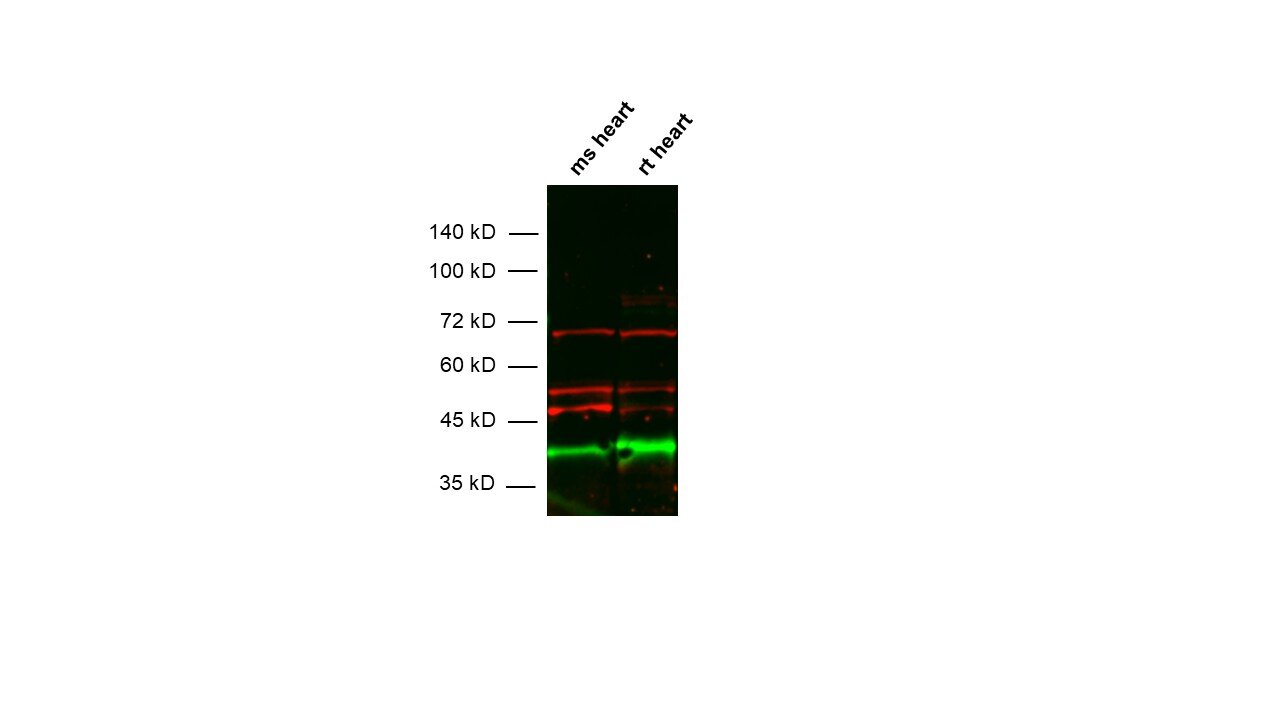
Reacts with: mouse (Q9ET66). Weaker signal: rat (D3ZGM7). Other species not tested yet. |
| Data sheet | Data Sheet 558_004 |
|
|
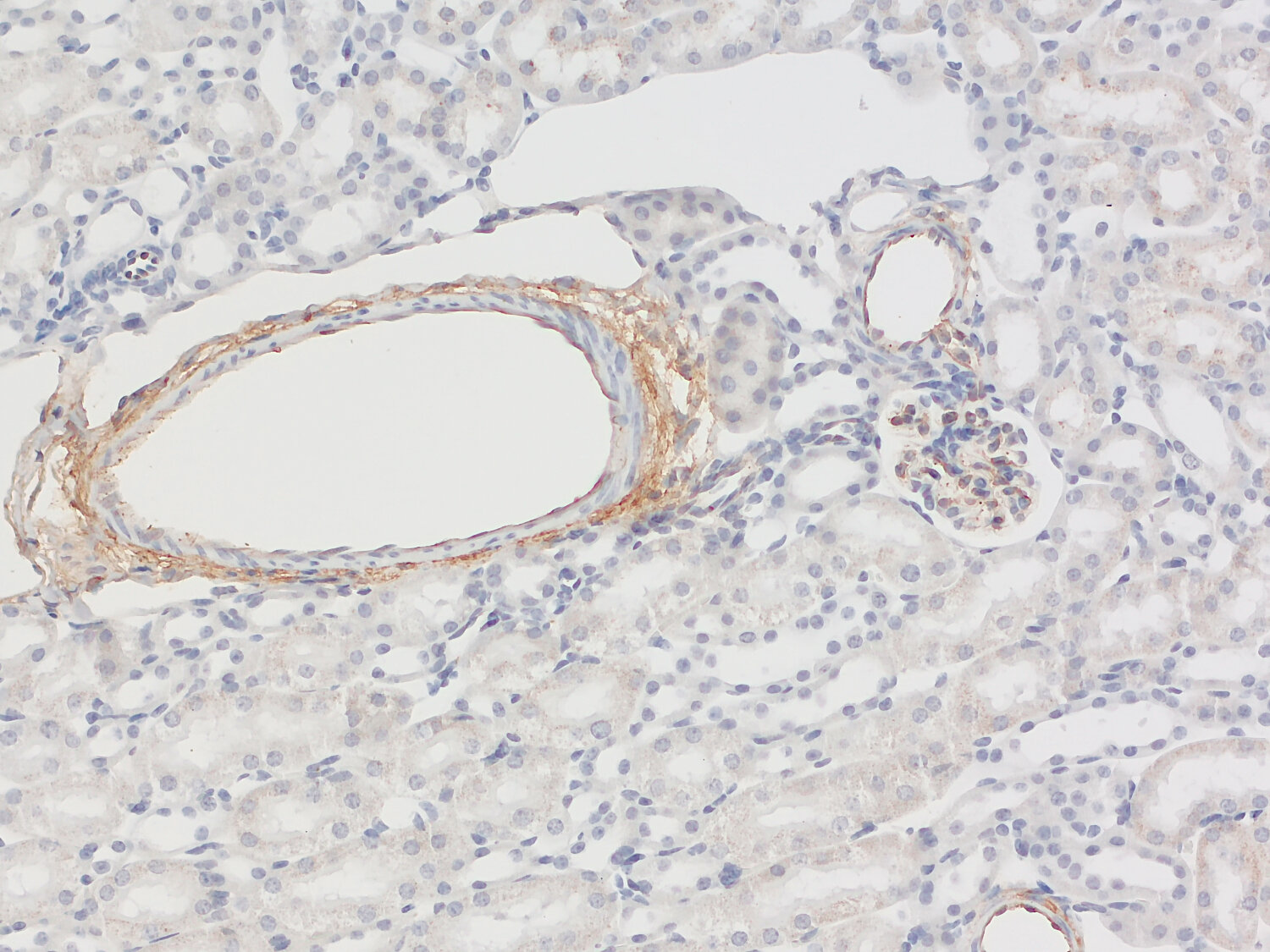
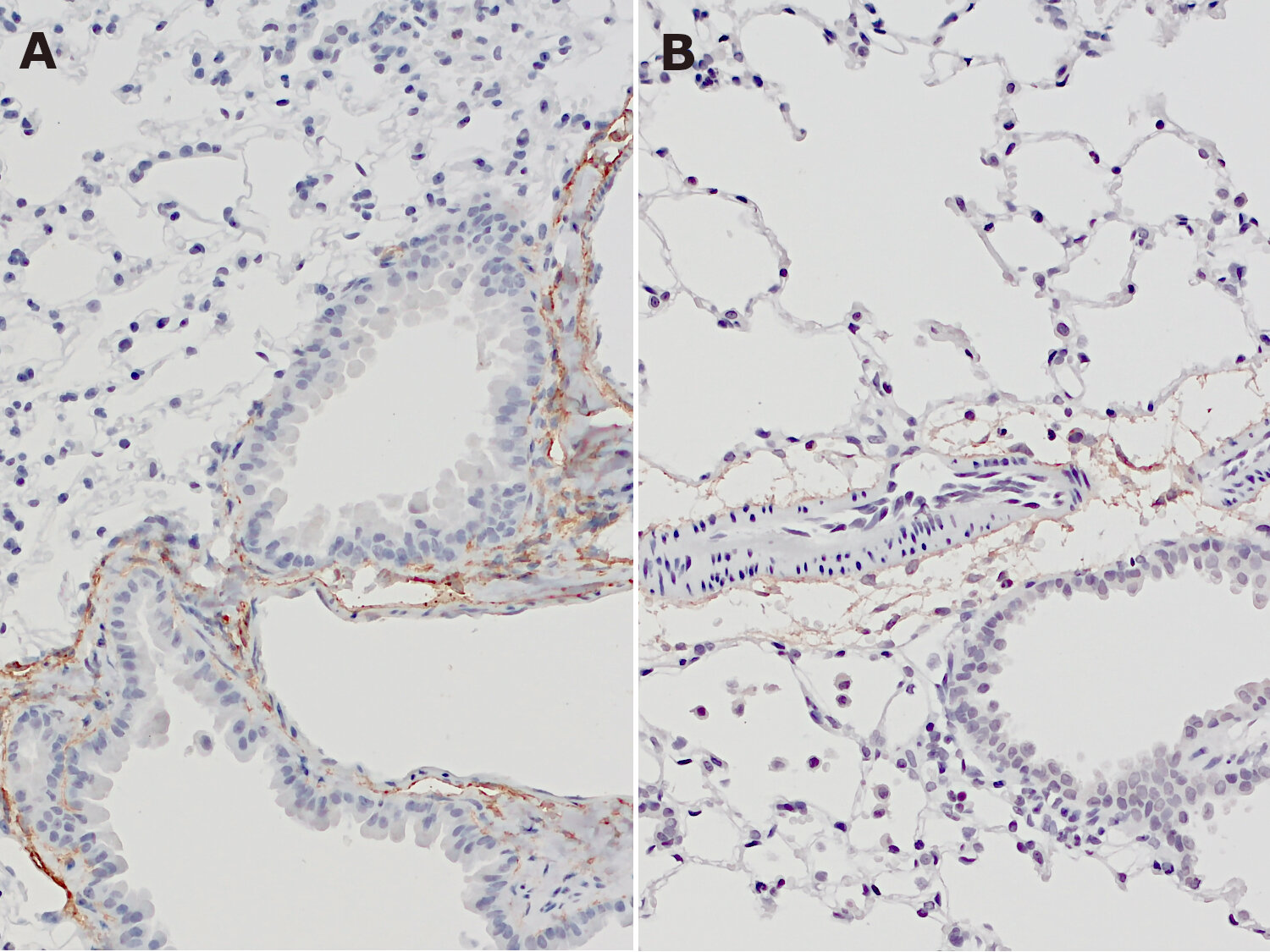
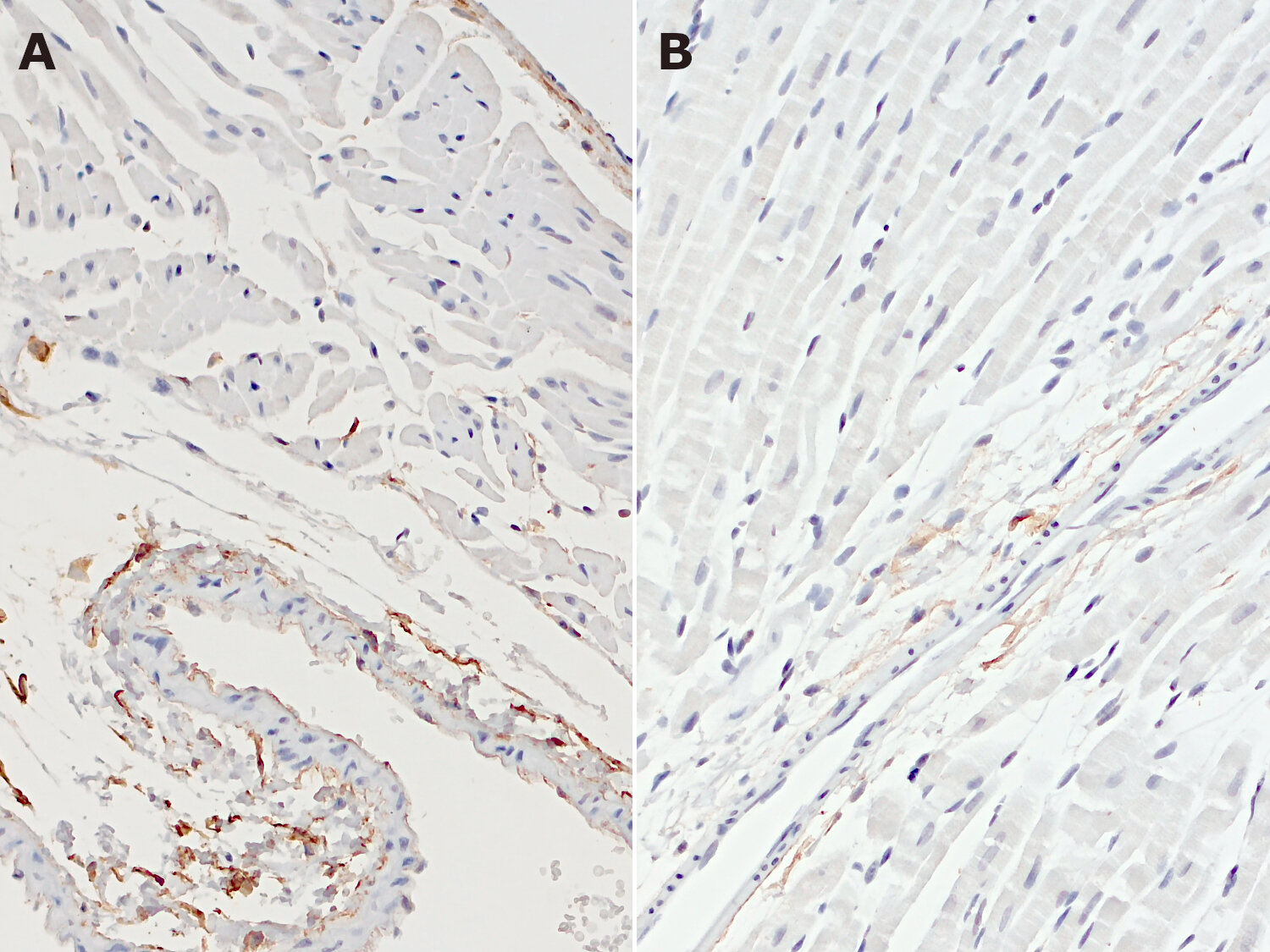
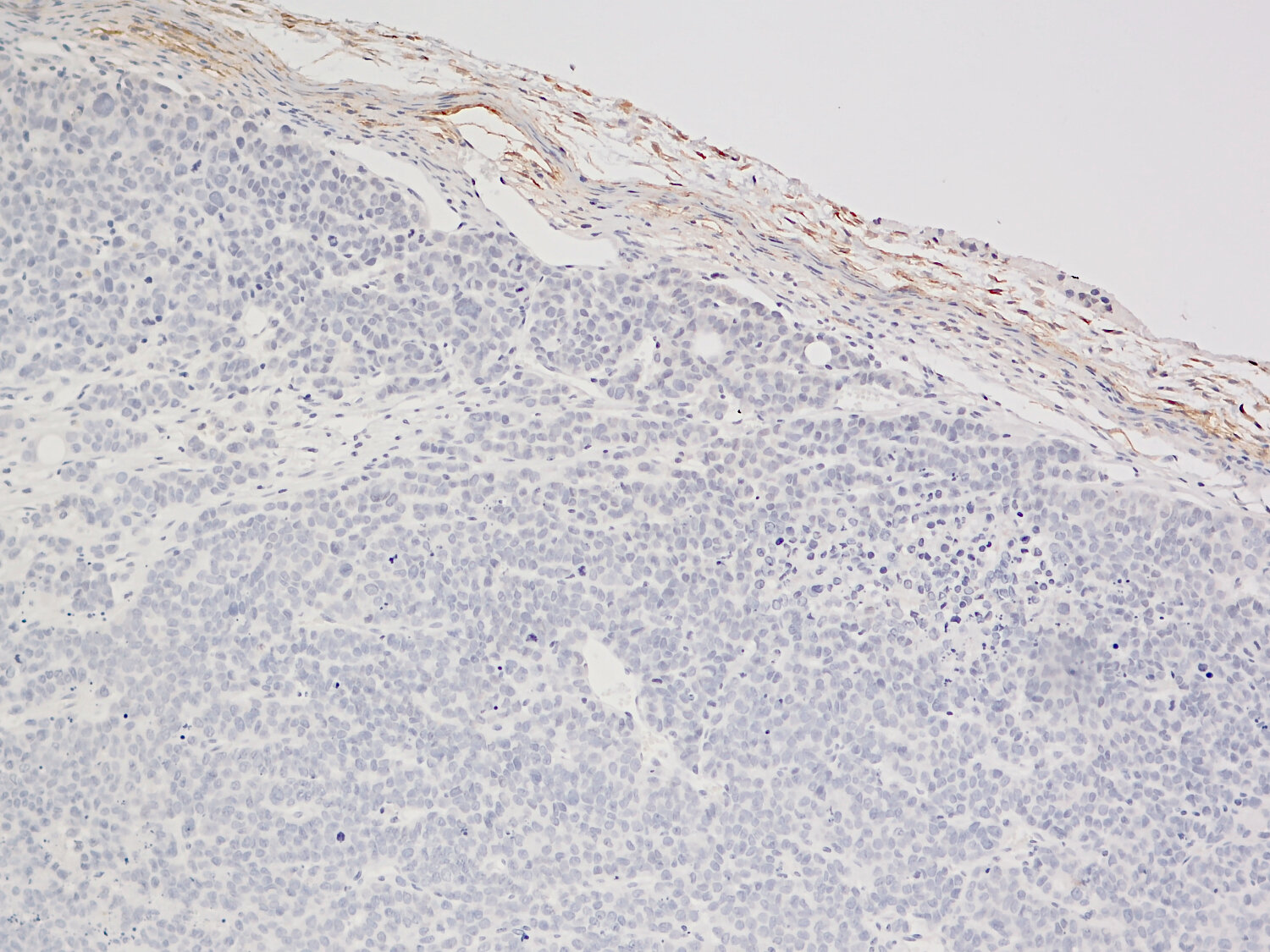
PI16 staining of mouse kidney fibroblasts
PI16 (peptidase inhibitor 16) is a secreted glycoprotein of the CAP superfamily (cysteine rich secretory proteins, antigen 5, pathogenesis related 1). The predicted molecular mass of PI16 is approximately 53 kDa, however, due to extensive post-translational modification, particularly glycosylation, PI16 migrates on SDS-PAGE as several higher molecular weight bands (1). It is mainly produced by fibroblasts, stromal and other mesenchymal cells, with high levels in heart, adipose tissue, vasculature, and skin (2 4). In the extracellular space PI16 likely regulates protease activity, cell matrix contacts, and tissue remodeling (3,4). Although its exact biochemical role remains unclear, PI16 has become a useful marker for distinct fibroblast subsets and stromal compartments (2,3). In fibroblast rich organs it is linked to extracellular matrix organization, remodeling, and intercellular signaling (2,3) and is especially enriched in adventitial fibroblasts, where it participates in vascular homeostasis, fibrosis, and inflammation (4). Cardiac PI16 marks fibroblast populations that support structural integrity and respond to injury (2). In cancer, PI16 identifies specific cancer associated fibroblast (CAF) subsets; PI16 positive CAFs contribute to stromal remodeling, matrix deposition, and signaling that affect tumor growth, immune infiltration, and metastasis (3,5). Thus, PI16 serves as a marker and potential regulator of fibroblast heterogeneity, tissue remodeling, and stromal influence on disease.
Certificates
ISO 9001 2015 Quality Management System and Green Lab Platinum certification level for sustaining laboratory processes.

Newsletter
Sign up for our newsletter and get the latest updates and news.