Cat. No.: 556 013
Amount: 50 µg
Price:
$380.00


|

|
|
| Cat. No. 556 013 |
50 µg specific antibody, lyophilized. Affinity purified with the immunogen. Albumin and azide were added for stabilization. For reconstitution add 50 µl H2O to get a 1mg/ml solution in PBS. Then aliquot and store at -20°C to -80°C until use. Antibodies should be stored at +4°C when still lyophilized. Do not freeze! |
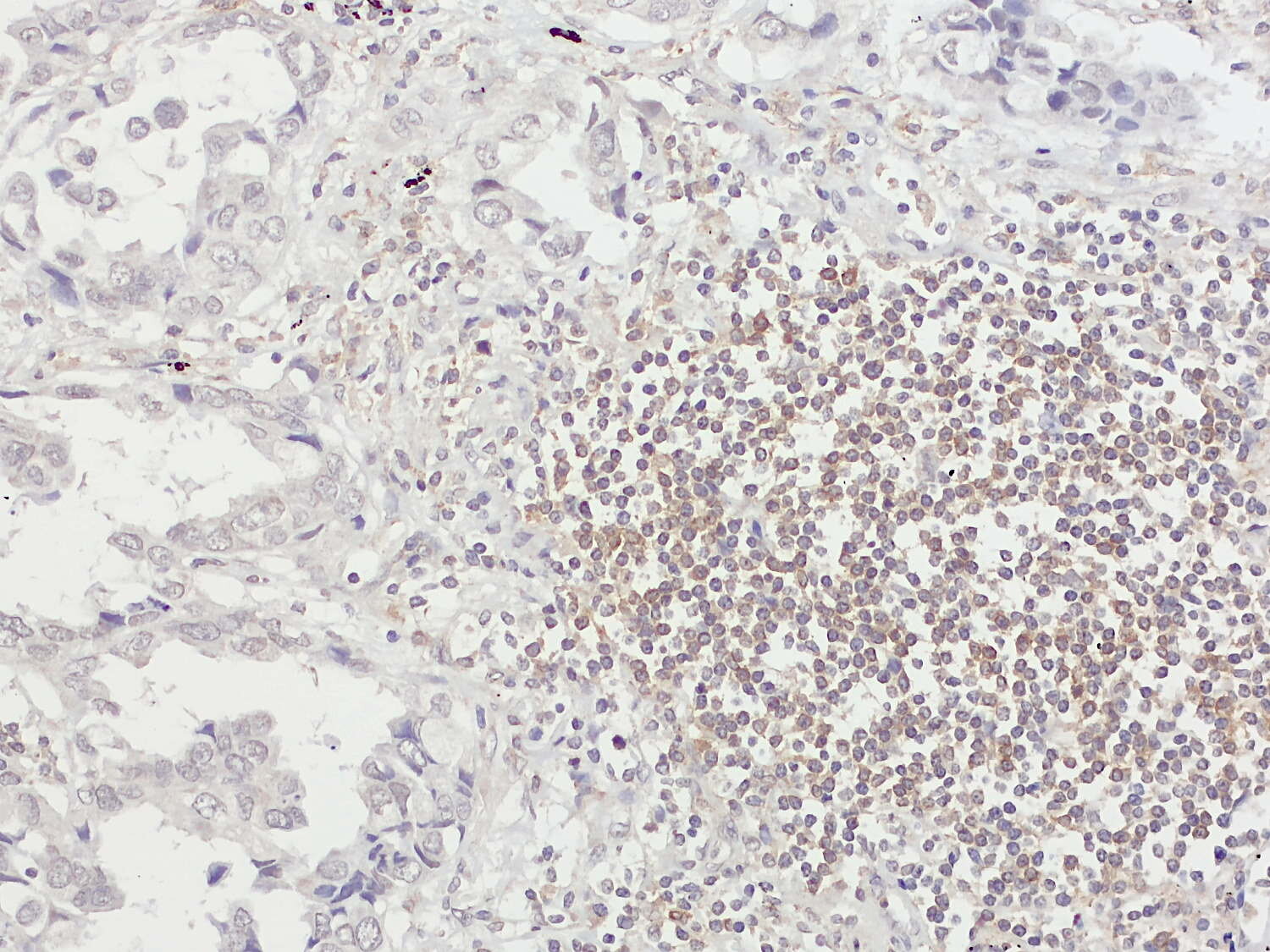
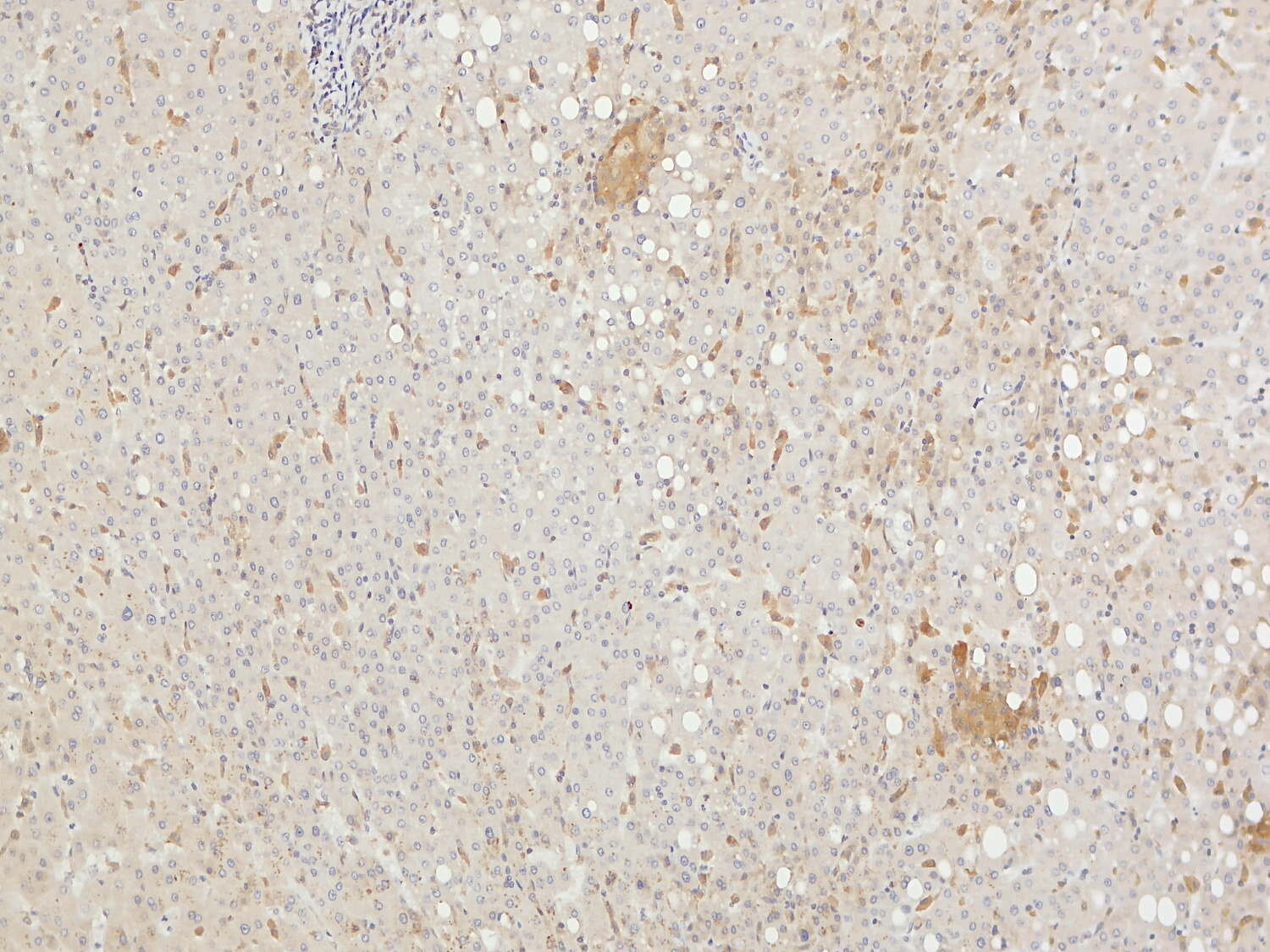
| Applications | |
| Immunogen | Recombinant protein corresponding to residues near the carboxy region of human Siglec-10 (UniProt Id: Q96LC7) |
| Reactivity |
Reacts with: human (Q96LC7). Other species not tested yet. |
| Remarks |
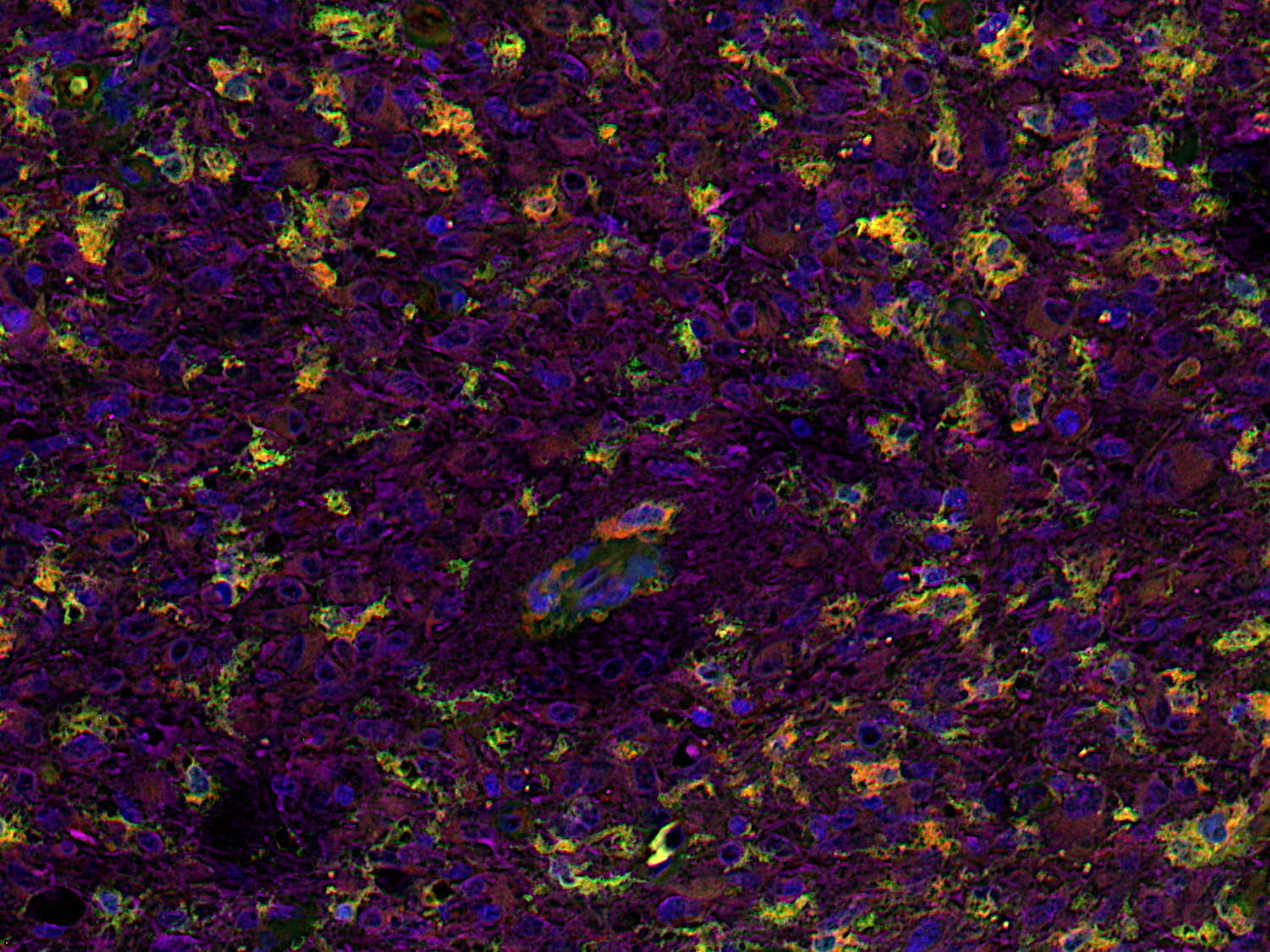
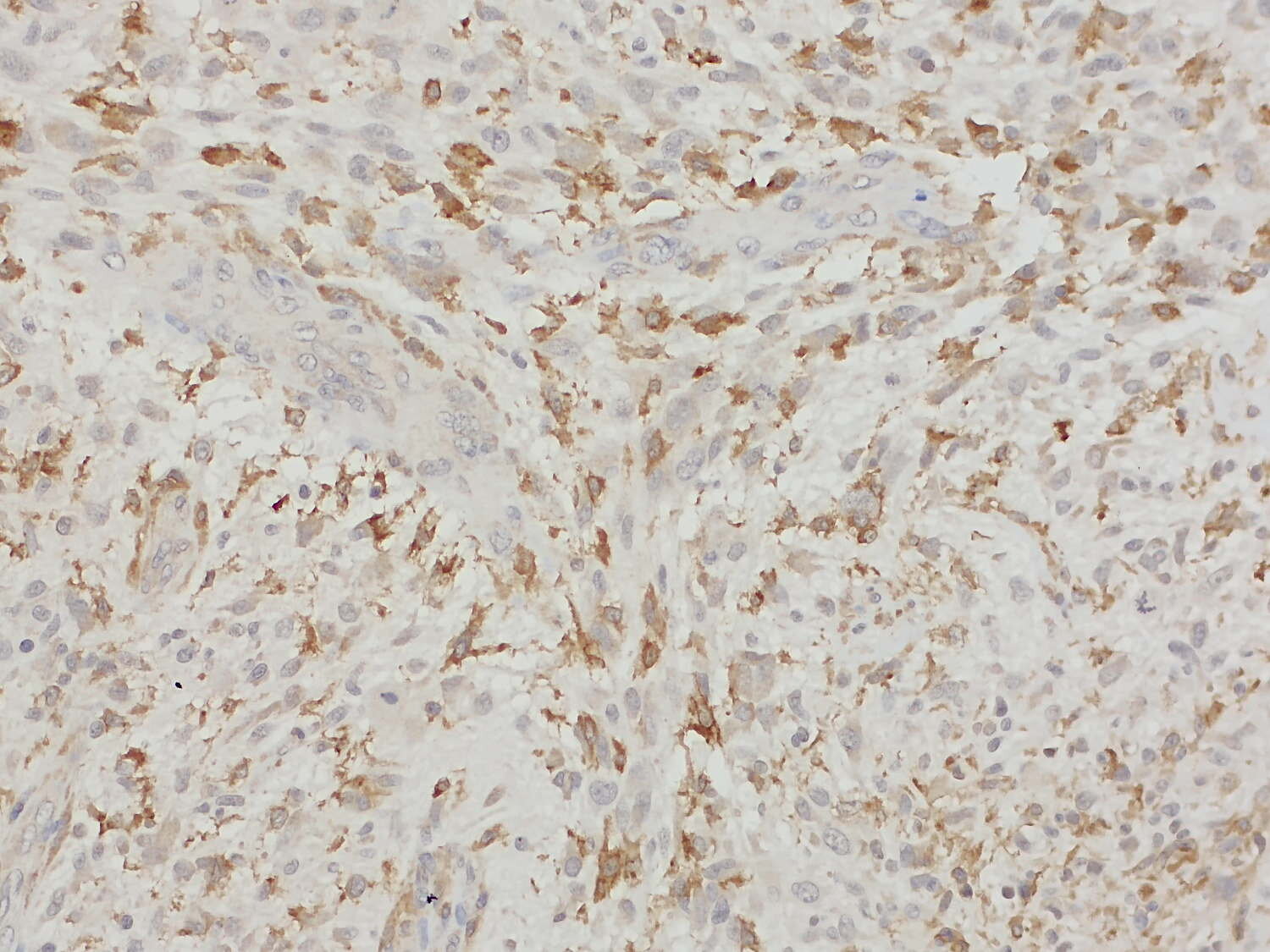
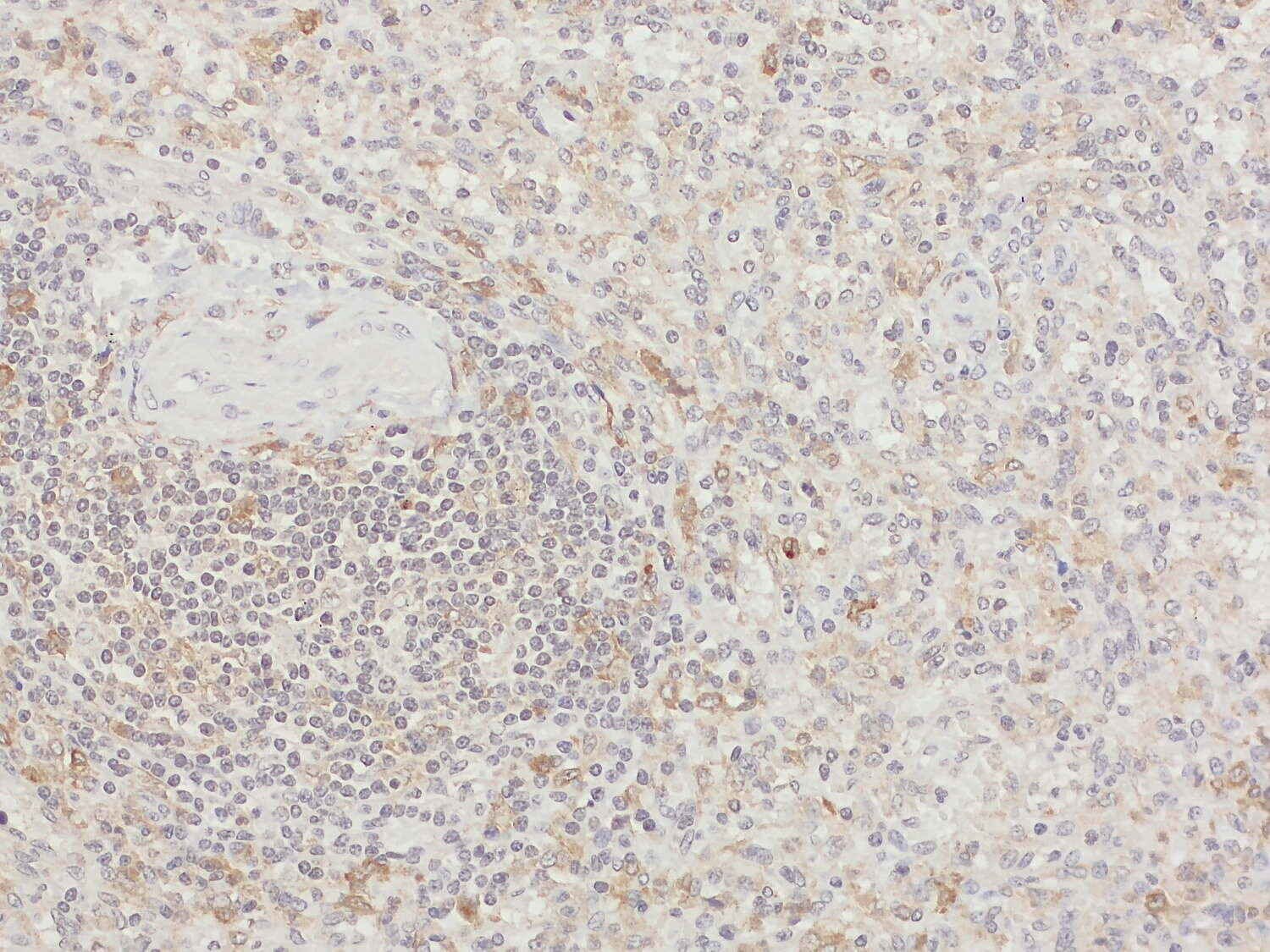
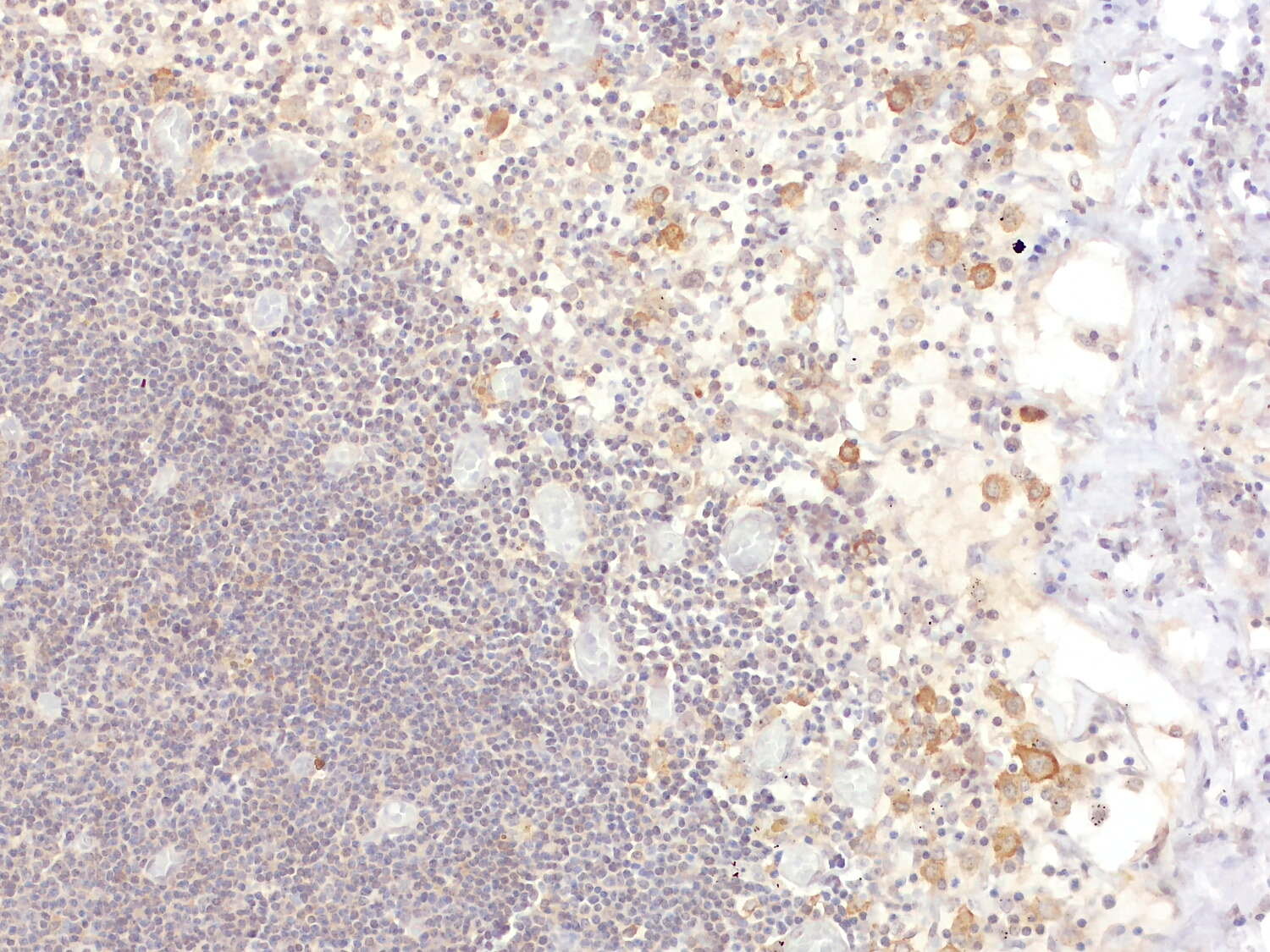
IHC-P (FFPE): For best results in IHC-P staining, we recommend 566 003. |
| Data sheet | Data Sheet 556_013 |
|
|
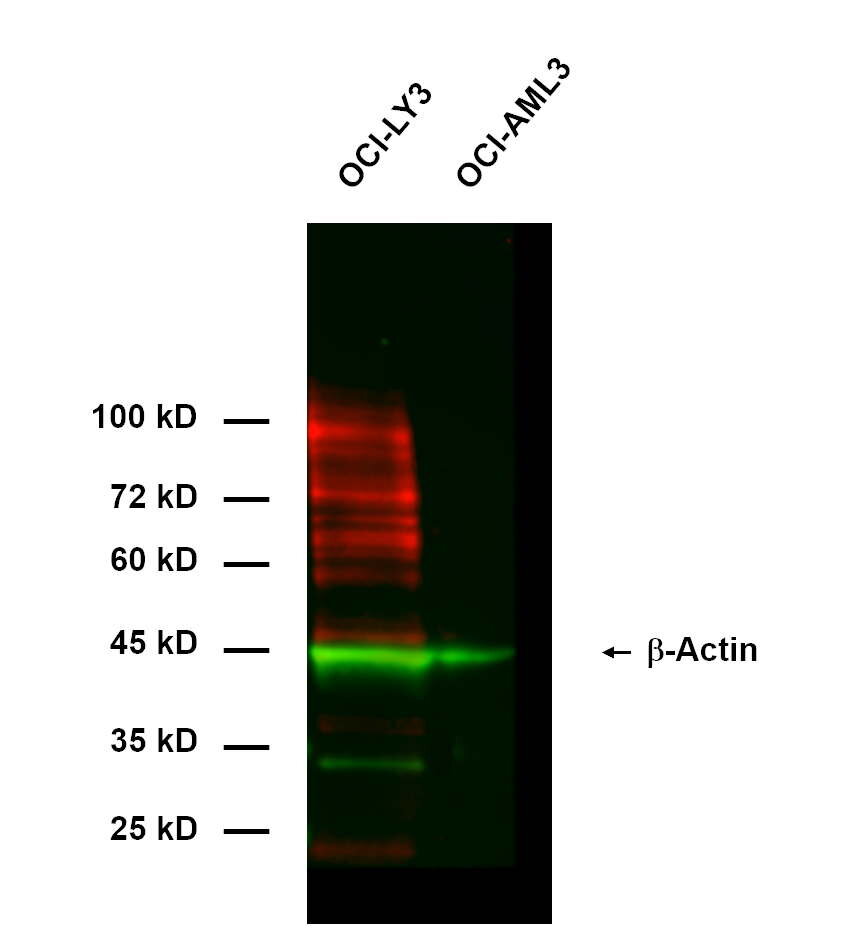
Detection of Siglec-10 (red) and beta-Actin (green) in Siglec-10 positive and negative human cell lines
Siglec-10 (sialic acid-binding Ig-like lectin 10) is a member of the CD33-related Siglec family, a subgroup of type I transmembrane receptors characterized by extracellular immunoglobulin-like domains and cytoplasmic immunoreceptor-based tyrosine-based inhibitory motifs (ITIMs), which recruit the phosphatases SHP-1 and SHP-2 to attenuate activating immune signals (1). In humans, Siglec-10 is expressed in a variety of immune cell populations, including tumor-associated macrophages (TAMs), dendritic cells, natural killer (NK) cells, and subsets of activated T and B lymphocytes, with expression levels reportedly increasing significantly within the tumor microenvironment (2–4). The binding of Siglec-10 to its ligand CD24 triggers inhibitory signaling pathways that suppress the activation of T-cell receptors and NK cells, reduce cytokine production, and impair macrophage-mediated phagocytosis, thereby contributing to the establishment of a “don’t-eat-me” immune checkpoint (2).
Clinically, elevated Siglec-10 expression has been associated with poorer overall survival and independent prognostic significance, likely due to the accumulation of Siglec-10⁺ tumor-associated macrophages (TAMs) and their role in reshaping the tumor immune microenvironment (3-5).
Certificates
ISO 9001 2015 Quality Management System and Green Lab Platinum certification level for sustaining laboratory processes.

Newsletter
Sign up for our newsletter and get the latest updates and news.