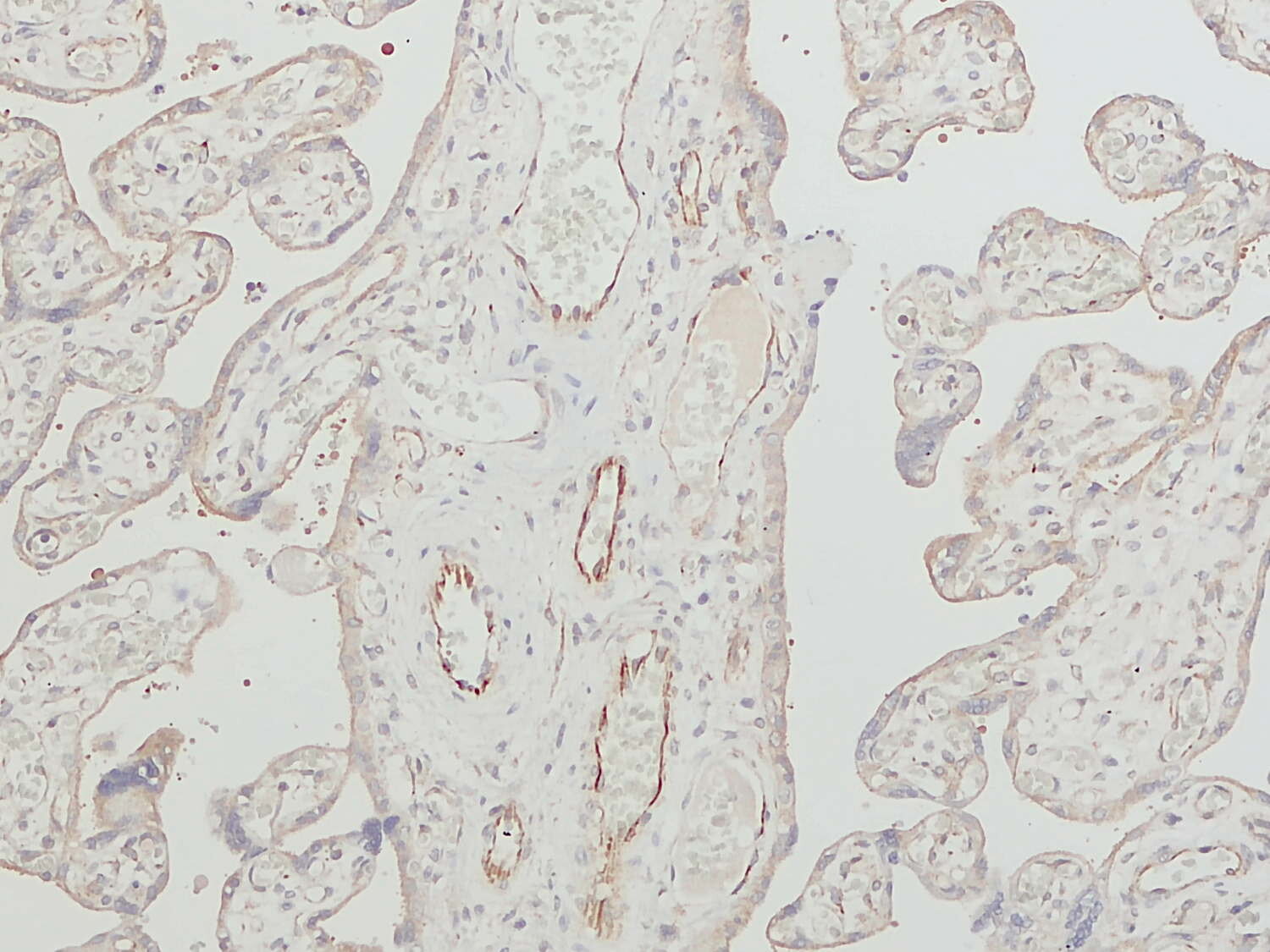
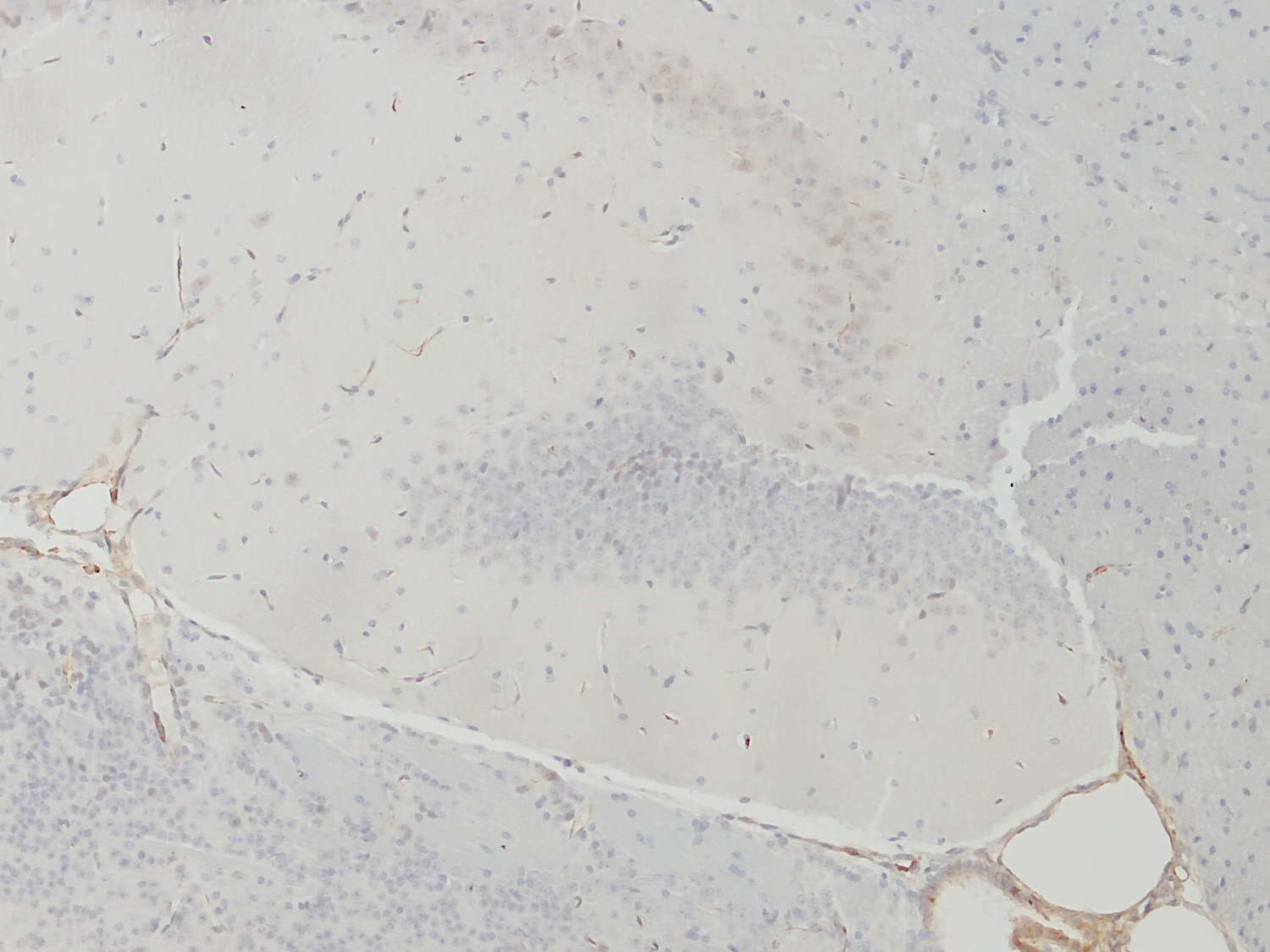
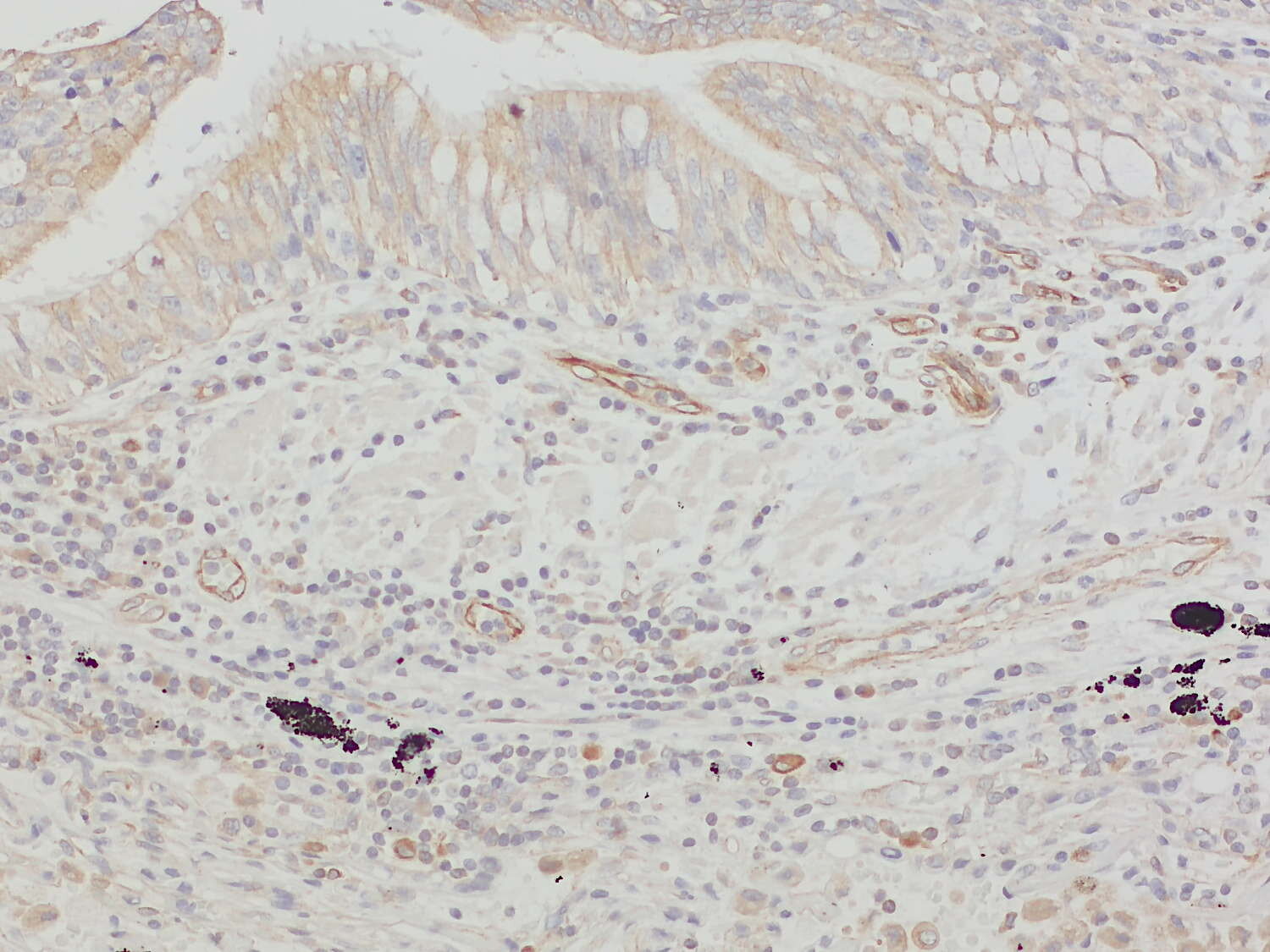
Cat. No.: 552 003
Amount: 50 µg
Price:
$380.00


|

|
|
| Cat. No. 552 003 |
50 µg specific antibody, lyophilized. Affinity purified with the immunogen. Albumin and azide were added for stabilization. For reconstitution add 50 µl H2O to get a 1mg/ml solution in PBS. Then aliquot and store at -20°C to -80°C until use. Antibodies should be stored at +4°C when still lyophilized. Do not freeze! |
| Applications | |
| Immunogen | Recombinant protein corresponding to the extracellular domain of mouse FcRn (UniProt Id: Q61559) |
| Reactivity |
Reacts with: mouse (Q61559), rat (P13599), human (P55899). Other species not tested yet. |
| Specificity | K.O. validated |
| Remarks |
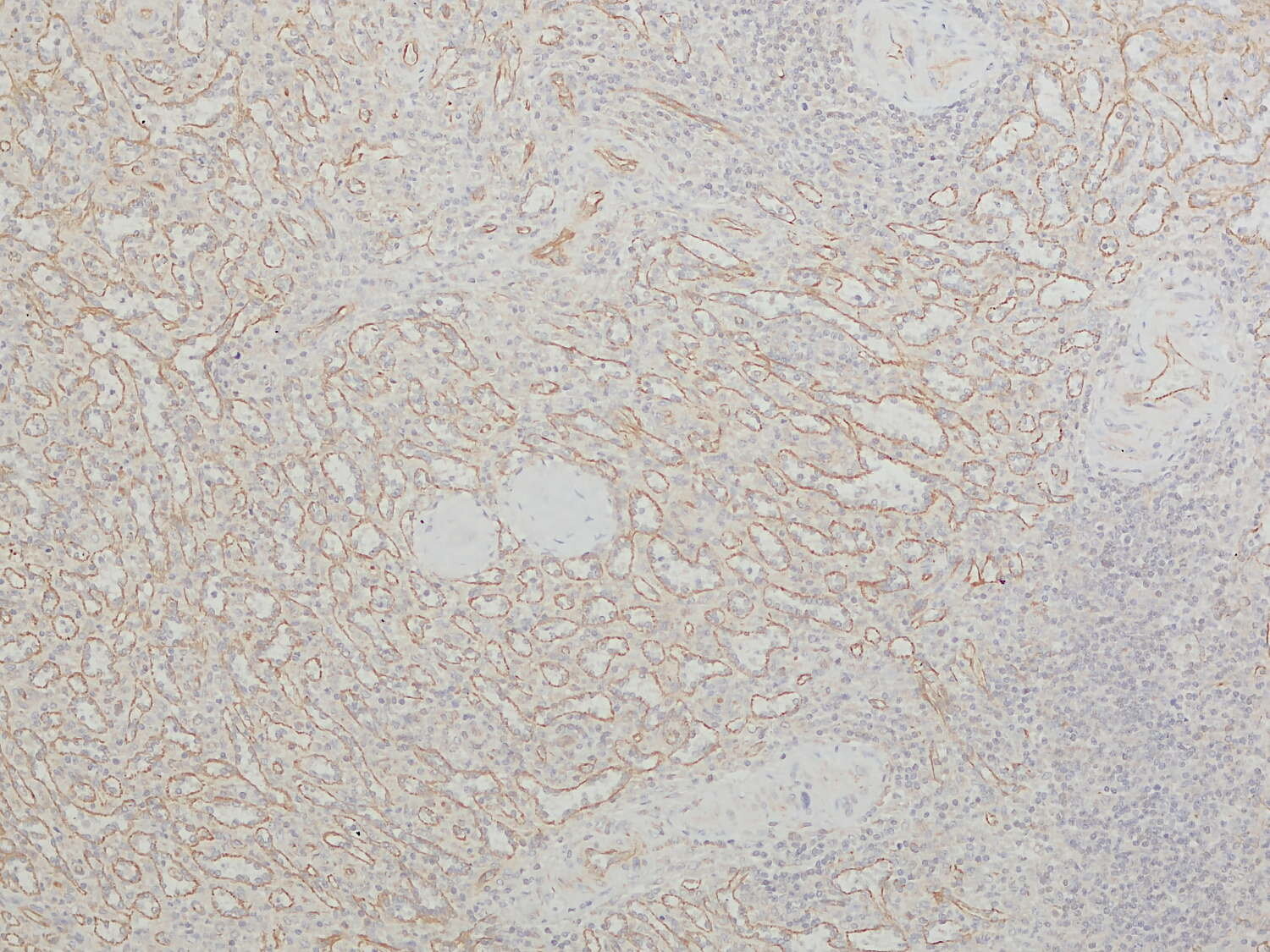
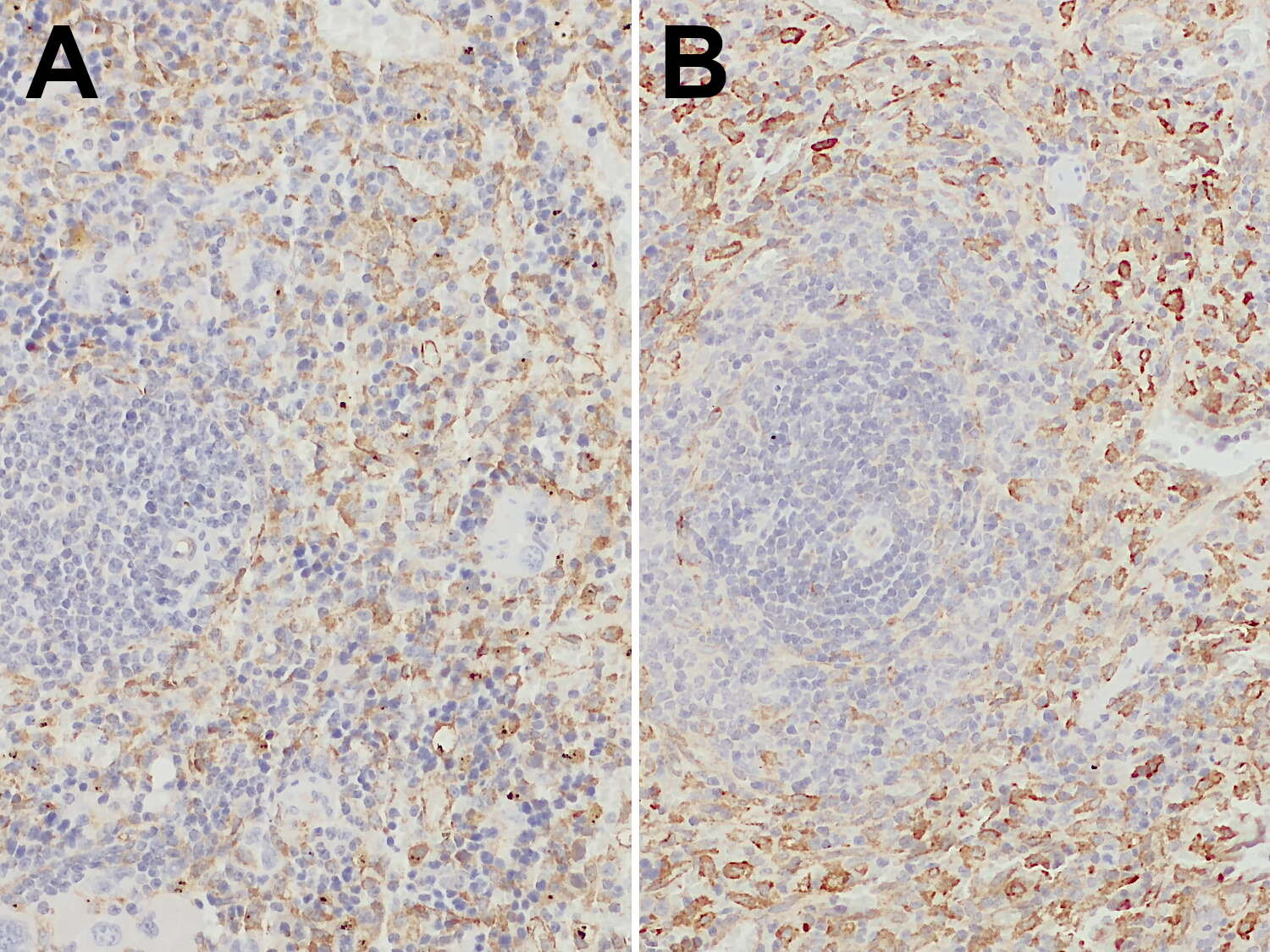
IHC: Antigen retrieval with citrate buffer pH 6 is required. |
| Data sheet | Data Sheet 552_003 |
|
|
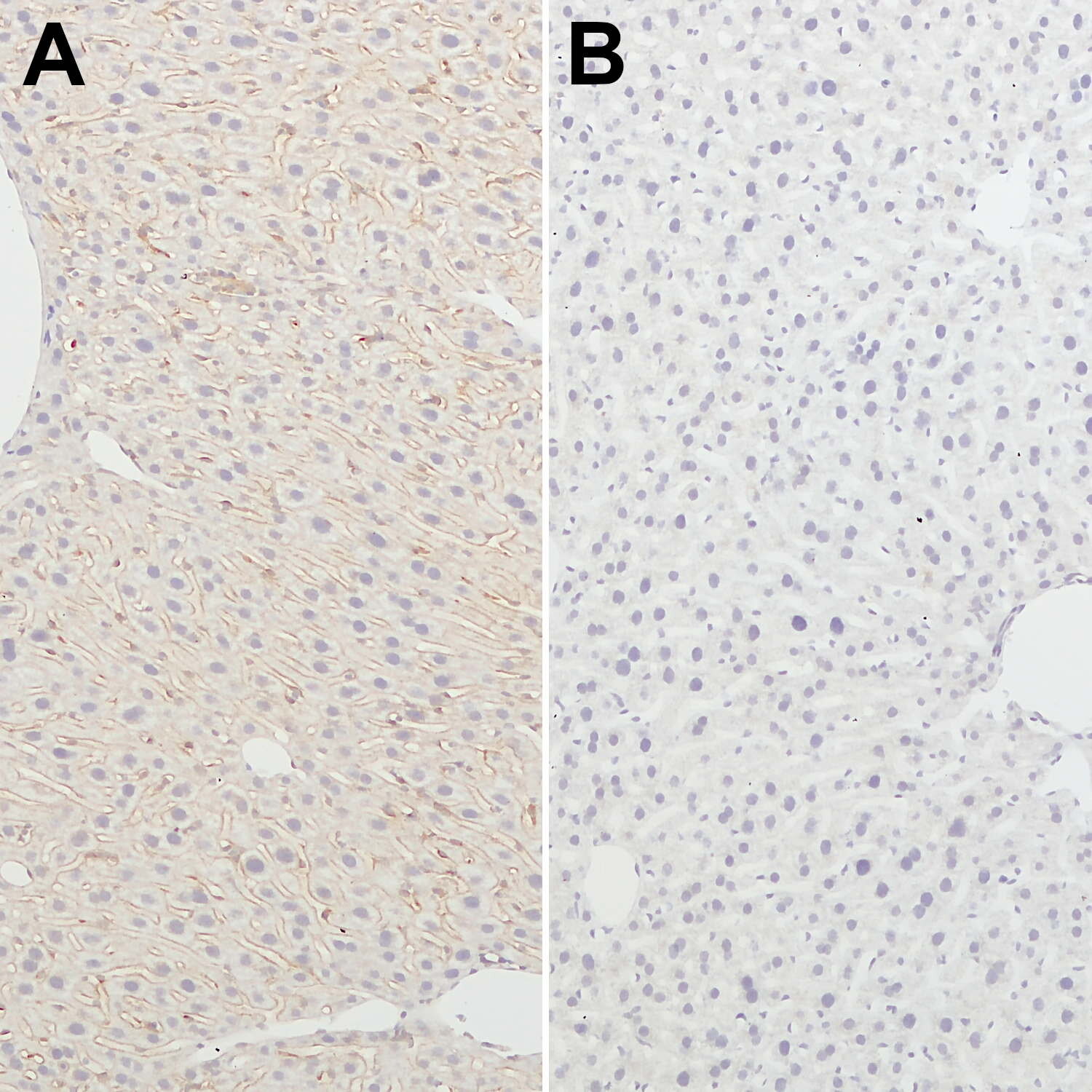
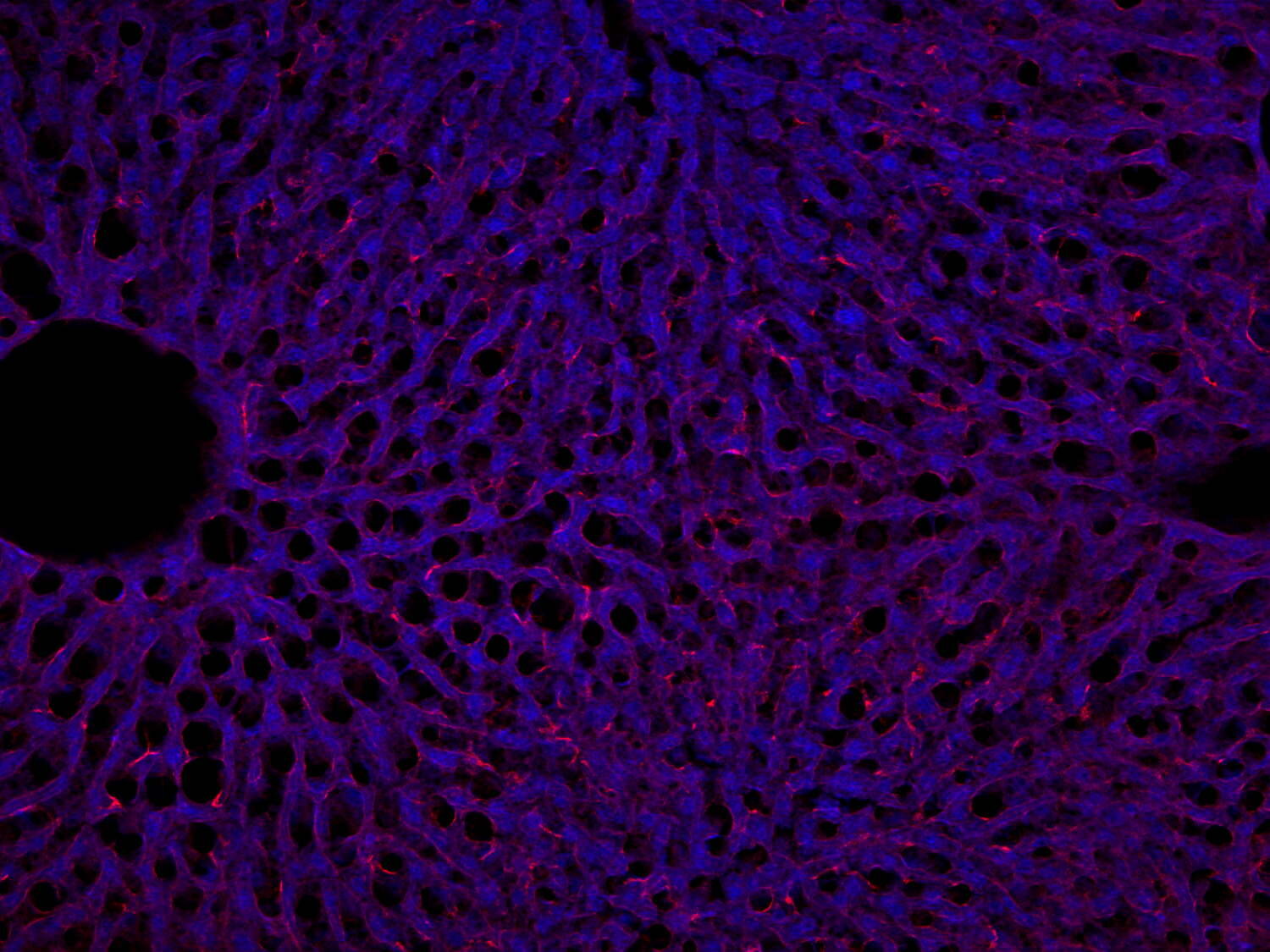
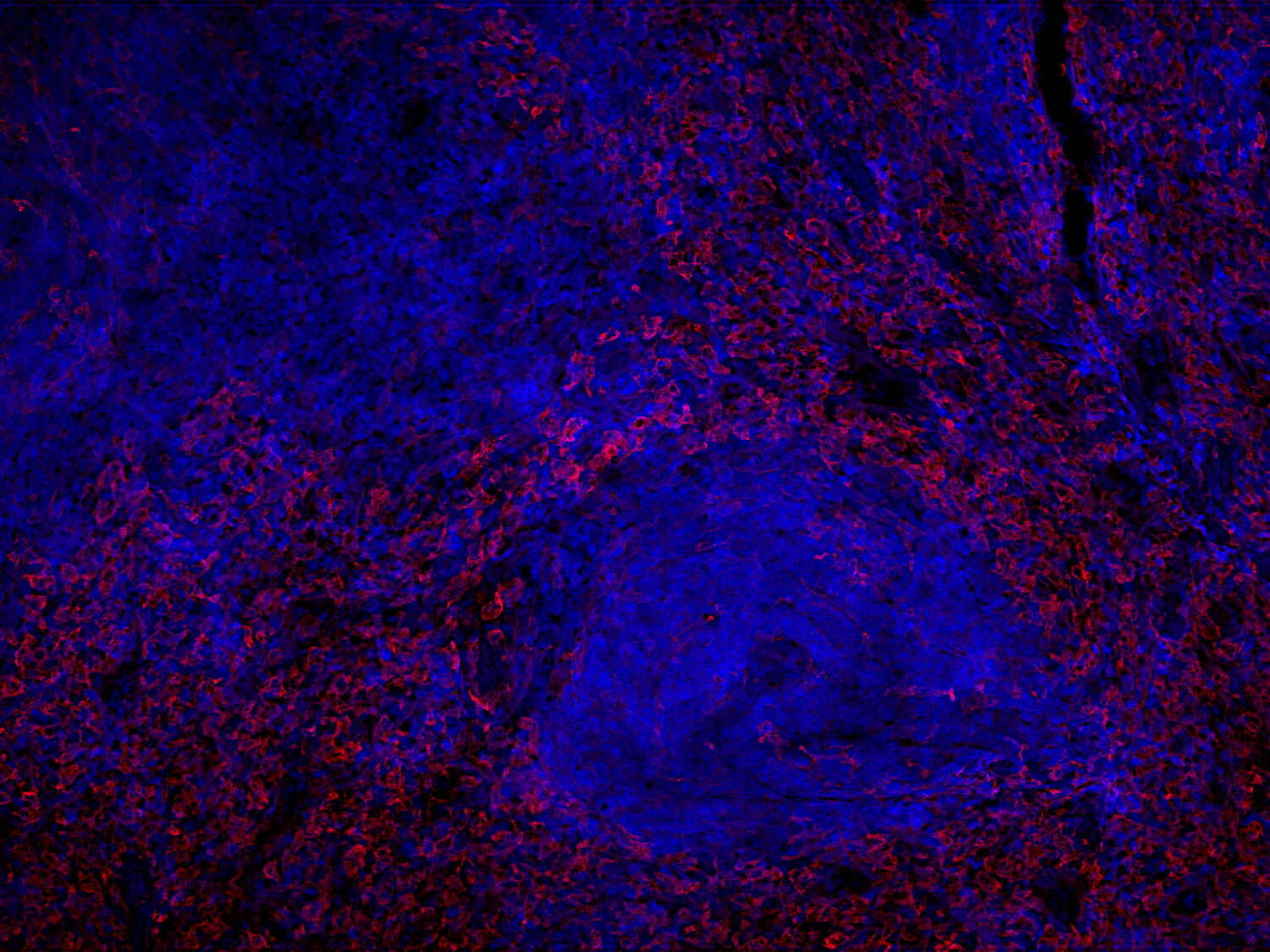
FcRn stains liver sinusoidal endothelial cells in a wild type (A) but not in a FcRn KO (B) mouse liver
The neonatal Fc receptor (FcRn) is an MHC class I–related receptor that plays a central role in the regulation of immunoglobulin G (IgG) and albumin homeostasis. Initially identified for its function in mediating the transfer of maternal IgG to the fetus and newborn, FcRn is now recognized as being broadly expressed in vascular endothelial cells and in most epithelial cell types. In addition, FcRn is widely present in hematopoietic cells, including monocytes, macrophages, dendritic cells (DCs), neutrophils, and B cells (1). Notably, however, the expression pattern of FcRn differs between mice and humans (2,3).
FcRn binds IgG and albumin within acidic endosomal compartments, thereby protecting both molecules from lysosomal degradation and recycling them back to the circulation (4). As a result, the serum half-life of antibodies is directly dependent on FcRn function (5). Beyond its role in maintaining antibody levels, FcRn also contributes to immune surveillance, antigen presentation, and mucosal immunity (1).
Because of its pivotal role in IgG recycling, FcRn has emerged as an important therapeutic target in autoimmune diseases, where FcRn inhibitors are used to lower pathogenic IgG antibody levels (6). Conversely, FcRn-mediated recycling is also harnessed to prolong the serum half-life of therapeutic antibodies and Fc-fusion proteins (7).
Certificates
ISO 9001 2015 Quality Management System and Green Lab Platinum certification level for sustaining laboratory processes.


Newsletter
Sign up for our newsletter and get the latest updates and news.