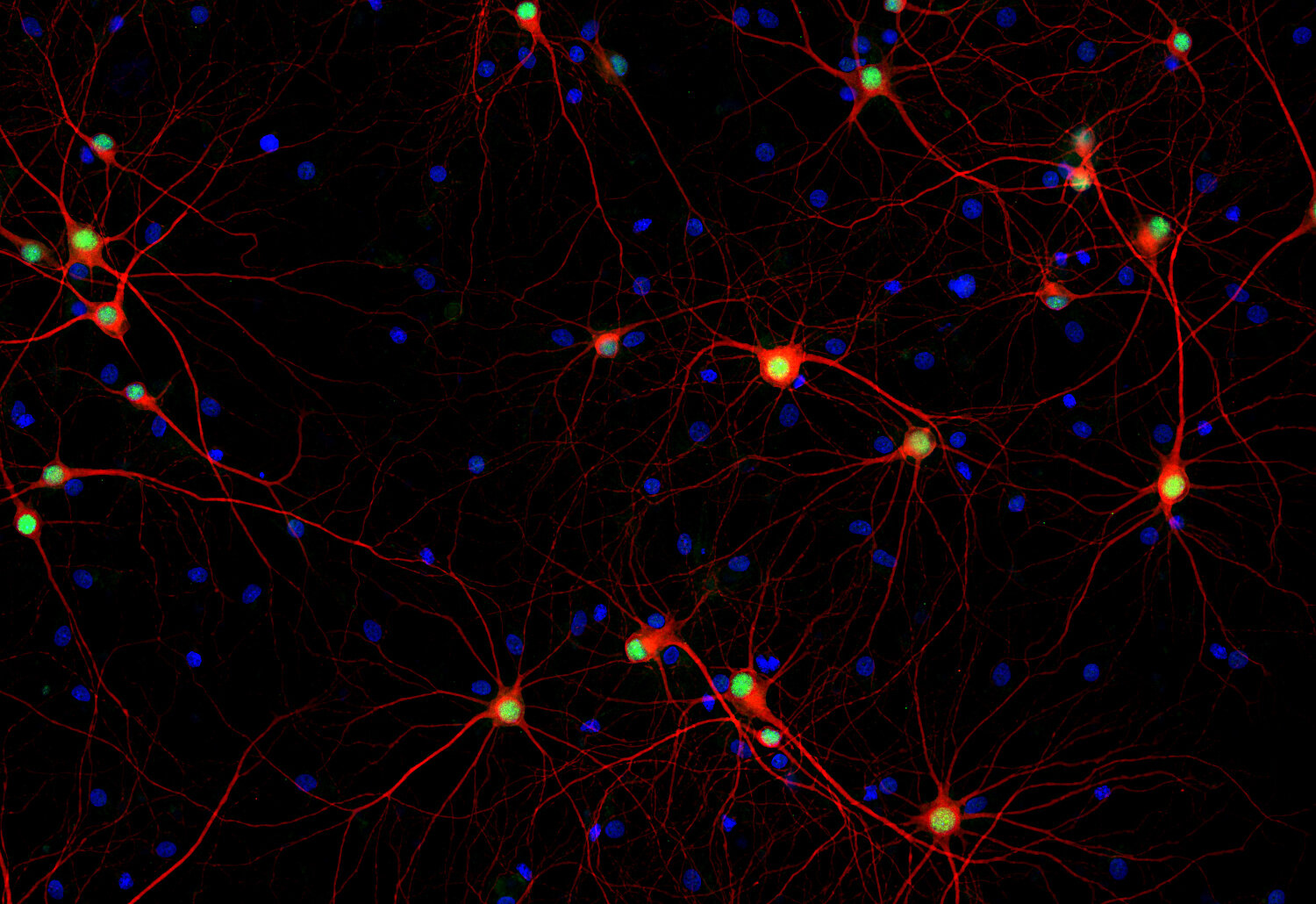
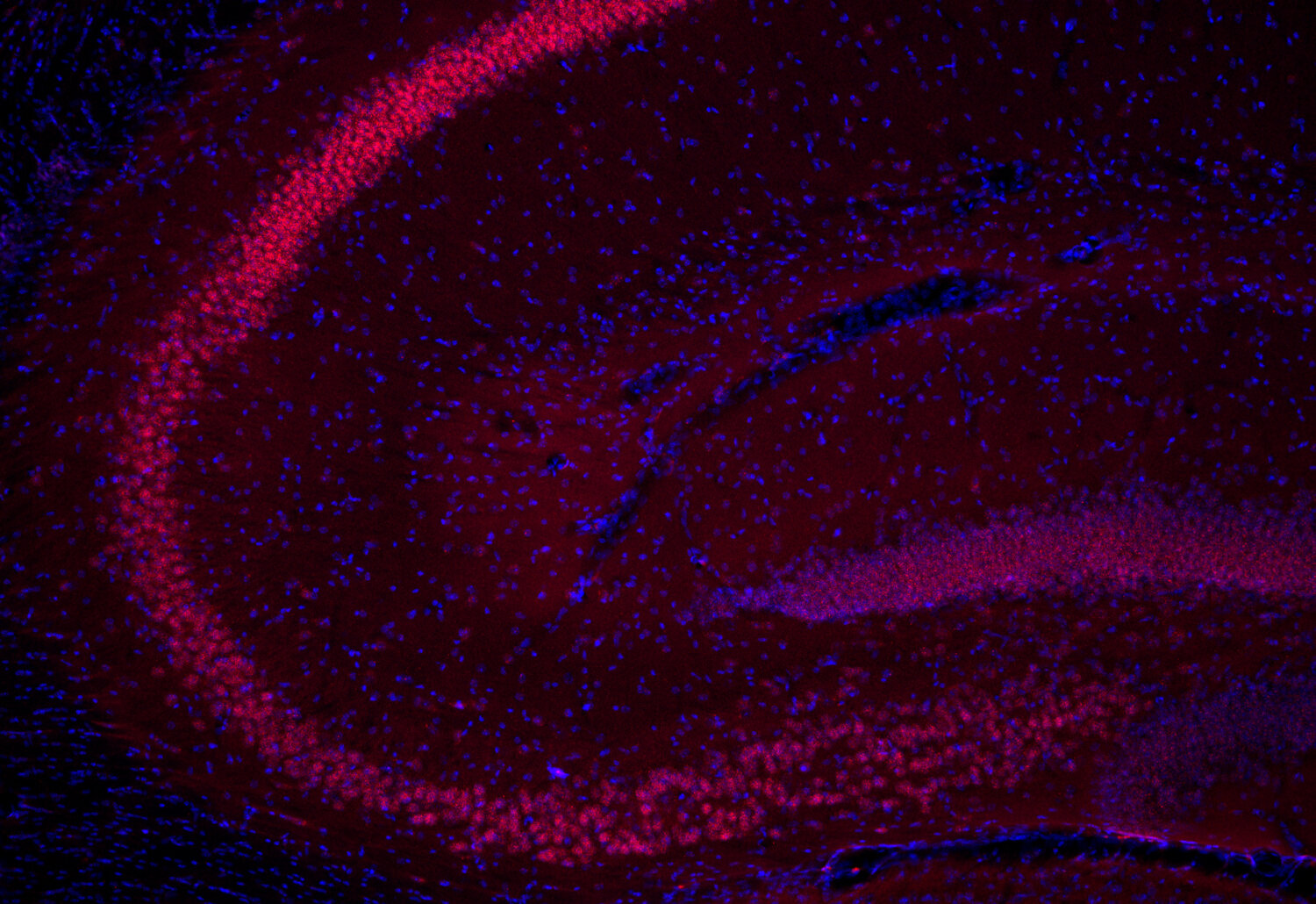
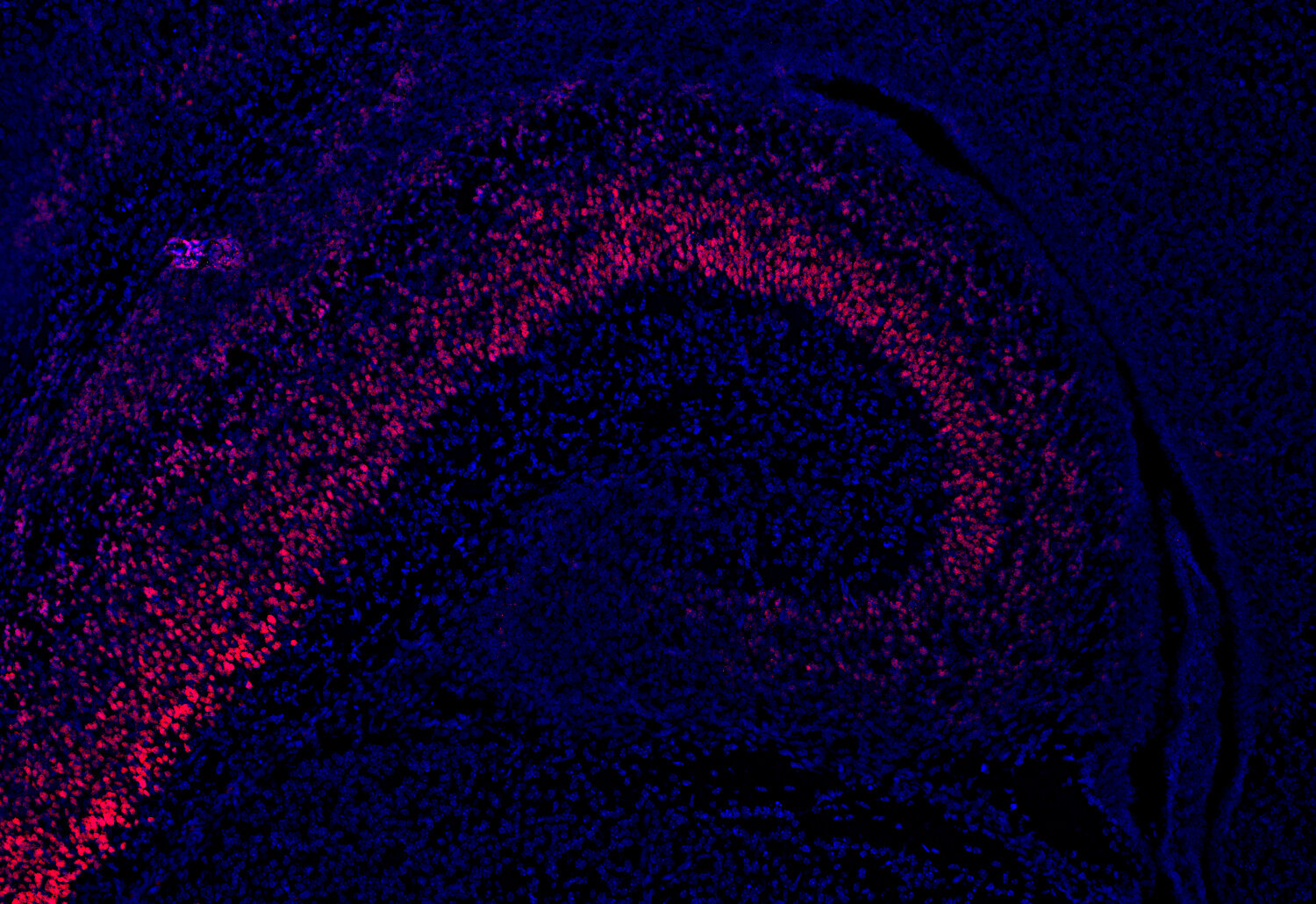
Cat. No.: 544 005
Amount: 50 µg
Price:
$465.00


|

|
|
| Cat. No. 544 005 |
50 µg specific antibody, lyophilized. Affinity purified with the immunogen. Albumin and azide were added for stabilization. For reconstitution add 50 µl H2O to get a 1mg/ml solution in PBS. Then aliquot and store at -20°C to -80°C until use. Antibodies should be stored at +4°C when still lyophilized. Do not freeze! |
| Applications | |
| Immunogen | Synthetic peptide corresponding to C-terminal residues of mouse FOXG1 (UniProt Id: Q60987) |
| Reactivity |
Reacts with: mouse (Q60987), rat (Q00939). Other species not tested yet. |
| Data sheet | Data Sheet 544_005 |
|
|
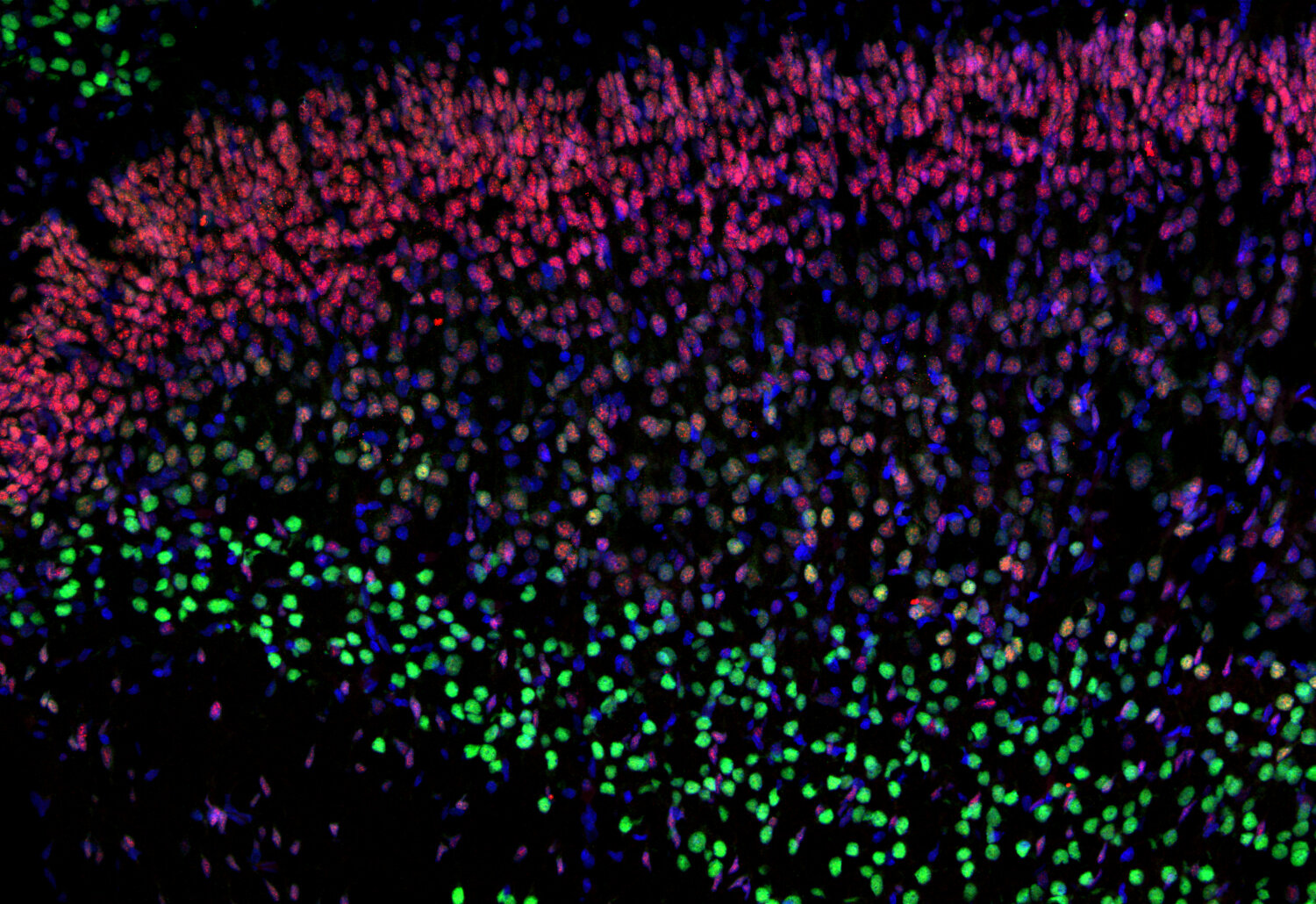
Indirect immunostaining of a rat cortex section (new born, P0) for FOXG1 (red) and Tbr1 (green)
FOXG1 (Forkhead box G1) is a winged helix (forkhead) transcription factor belonging to the highly conserved FOX family of DNA binding proteins (1). In mammals, FOXG1 is expressed in the developing telencephalon (2). Expression remains detectable throughout postnatal life in specific neuronal cell populations of the hippocampus and cortex (2-4).
Functionally, FOXG1 drives the expansion of neural progenitor cells, controls the balance between proliferation, differentiation and cell cycle exit, and directs early cortical cell fate decisions, thus influencing brain size and complexity (1). In postmitotic neurons it promotes dendrite elongation, spine maintenance and synaptic plasticity, thereby influencing learning, memory, and social behavior (5).
Dosage is critical: Haploinsufficiency causes FOXG1 syndrome, characterized by microcephaly, complete agenesis of the corpus callosum, cognitive disability, dyskinesia, and epilepsy (1,2). Duplications are linked to epilepsy, movement disorders and impaired language development (2). Moreover, FOXG1 is frequently overexpressed in gliomas where it suppresses apoptosis, and its expression level correlates with tumor grade (6).
Certificates
ISO 9001 2015 Quality Management System and Green Lab Platinum certification level for sustaining laboratory processes.


Newsletter
Sign up for our newsletter and get the latest updates and news.