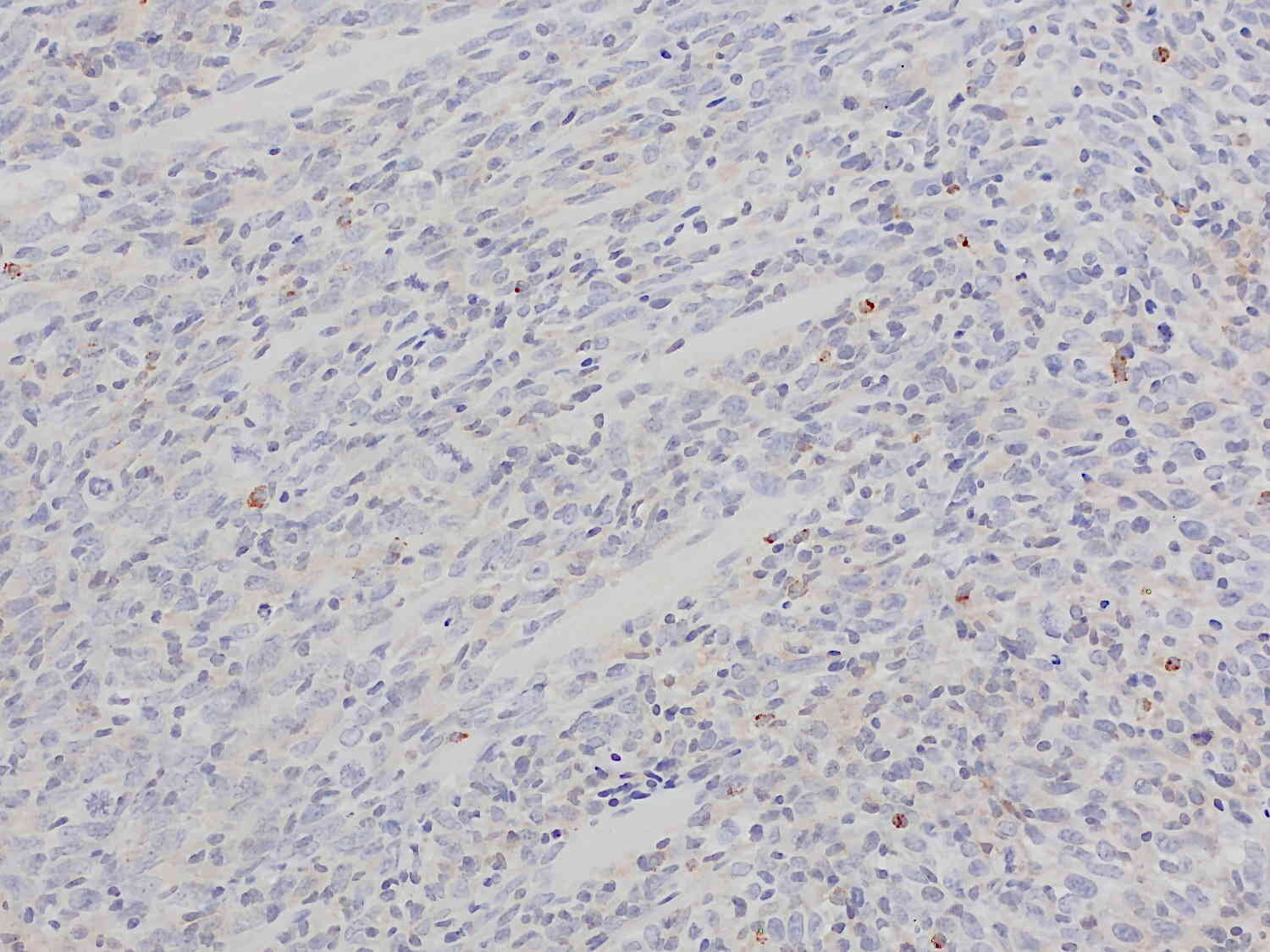
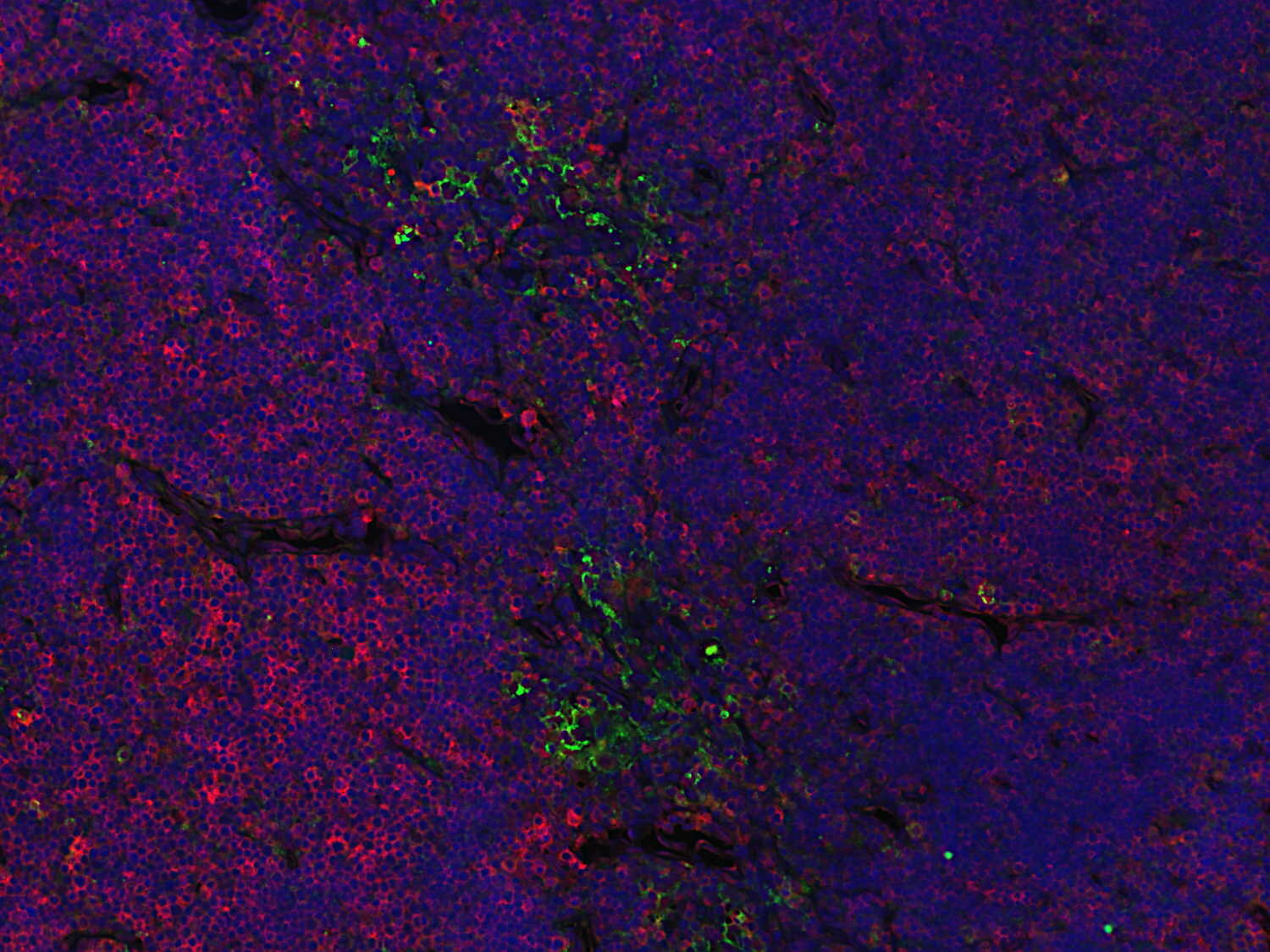
Cat. No.: 543 003
Amount: 50 µg
Price:
$380.00


|

|
|
| Cat. No. 543 003 |
50 µg specific antibody, lyophilized. Affinity purified with the immunogen. Albumin and azide were added for stabilization. For reconstitution add 50 µl H2O to get a 1mg/ml solution in PBS. Then aliquot and store at -20°C to -80°C until use. Antibodies should be stored at +4°C when still lyophilized. Do not freeze! |
| Applications | |
| Immunogen | Synthetic peptide corresponding to residues near the amino terminus of mouse TNFSF14 (UniProt Id: Q9QYH9) |
| Reactivity |
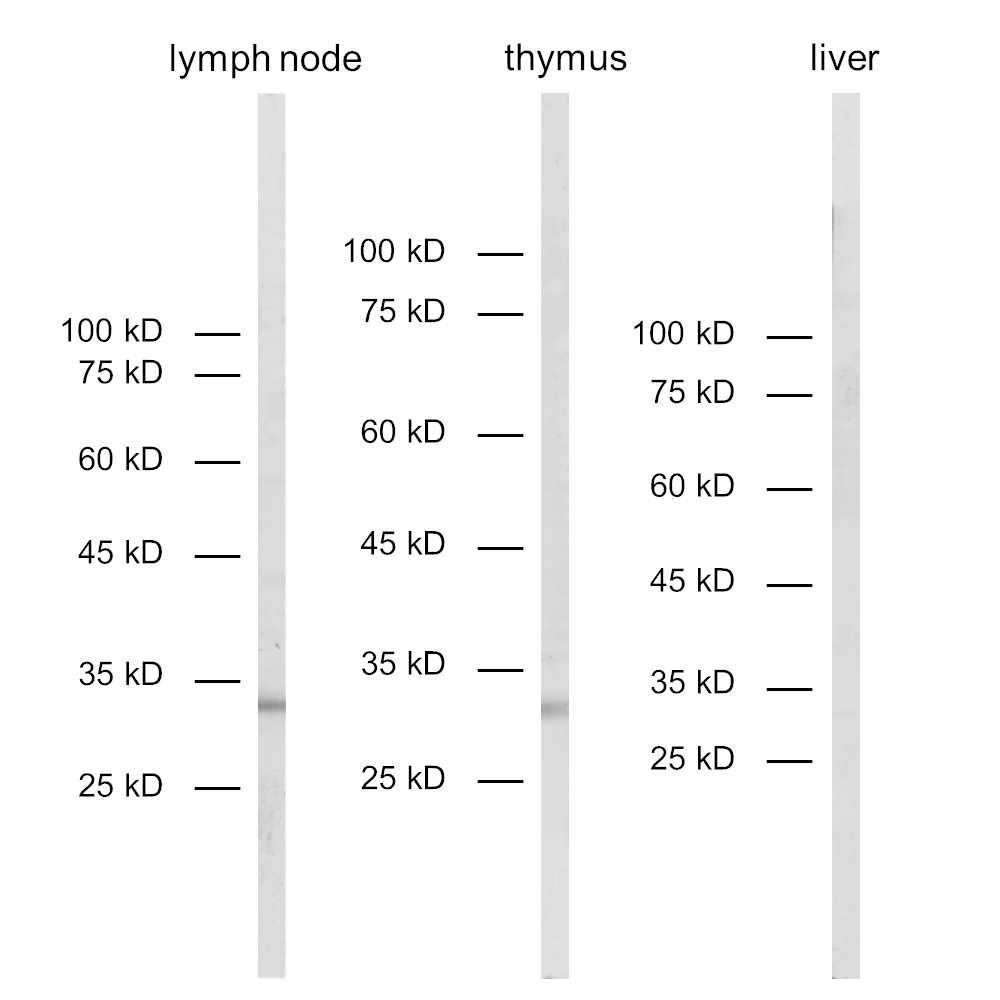
Reacts with: mouse (Q9QYH9). Weaker signal: rat. No signal: human (O43557). Other species not tested yet. |
| Remarks |
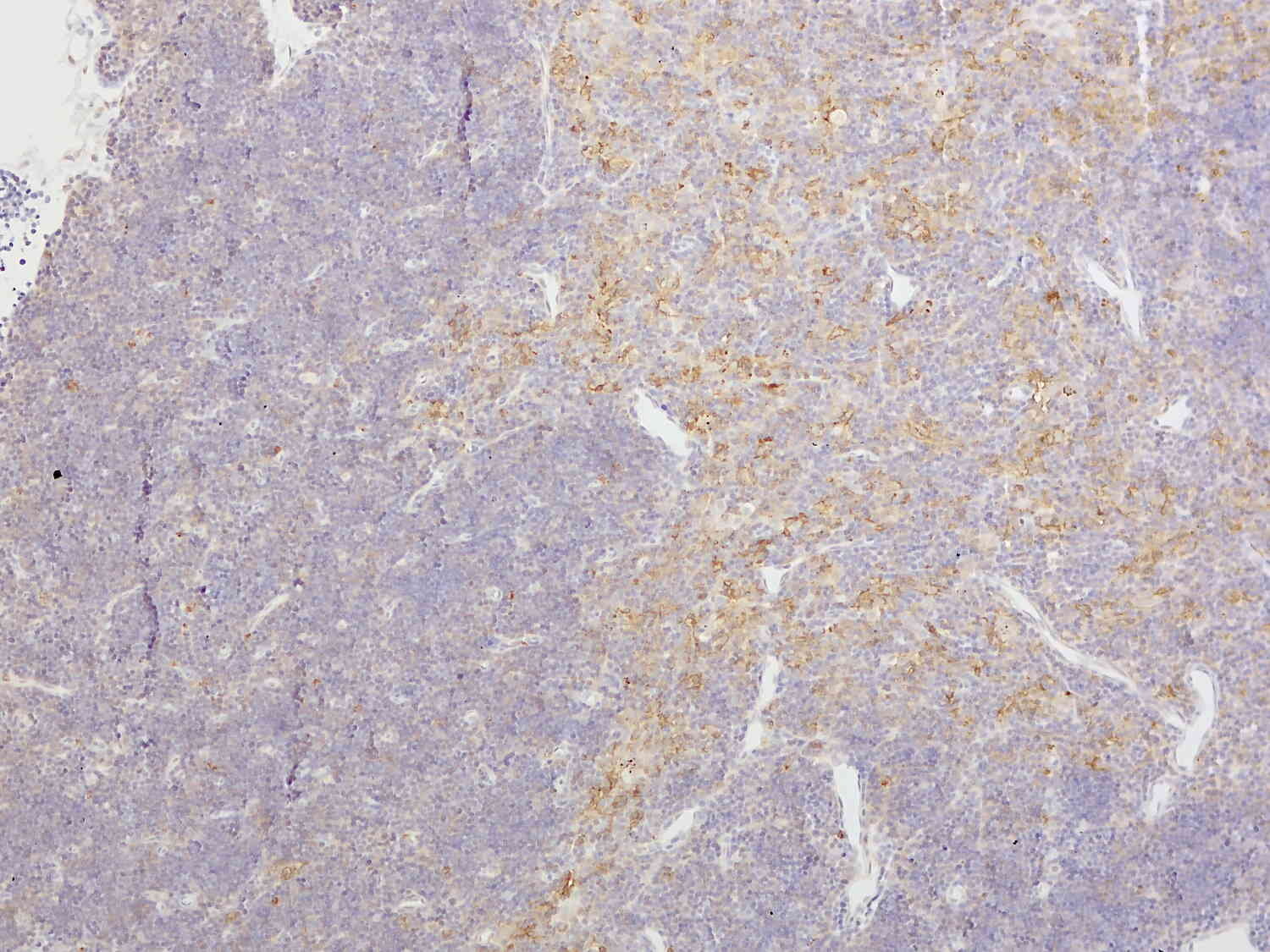
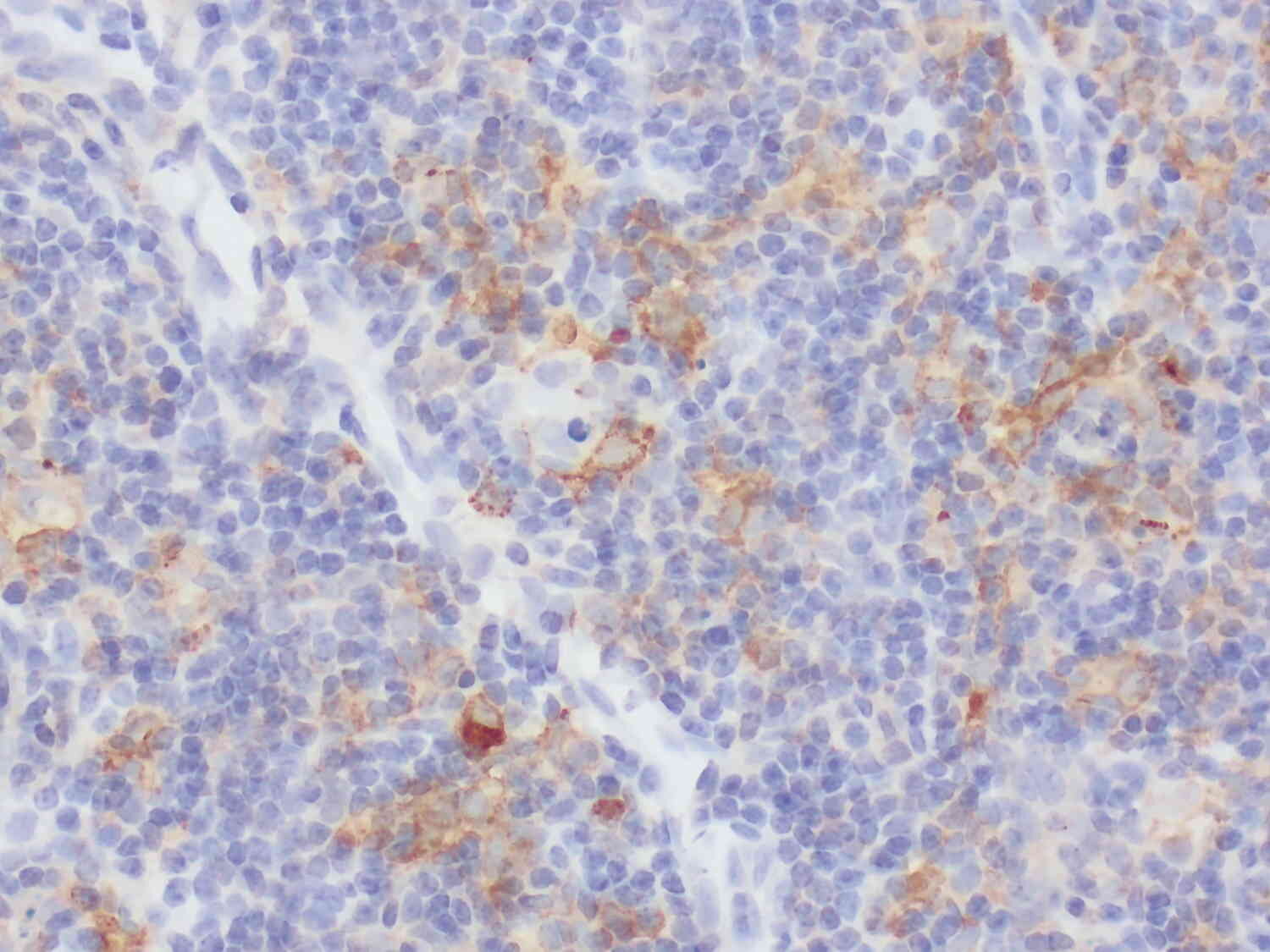
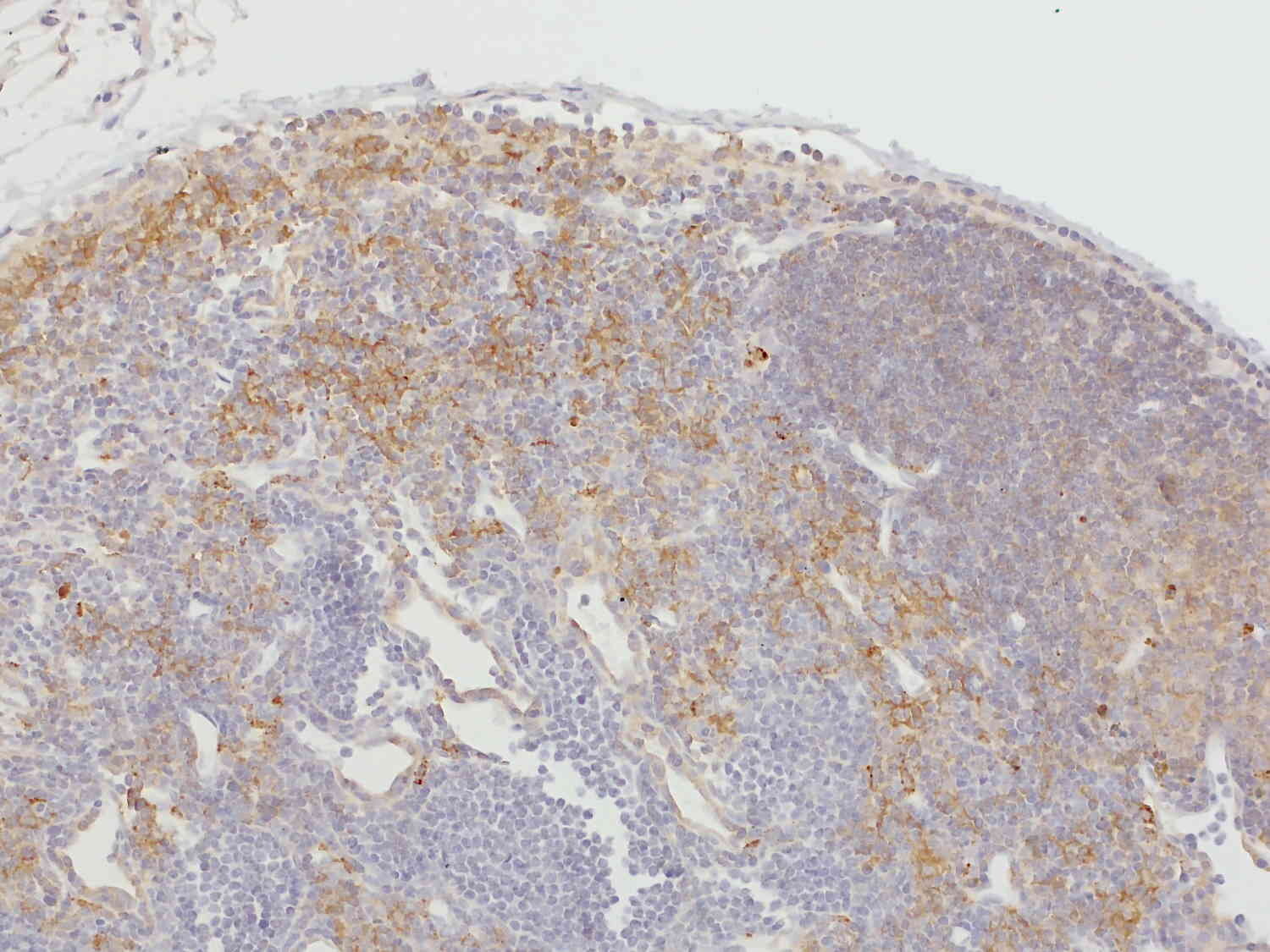
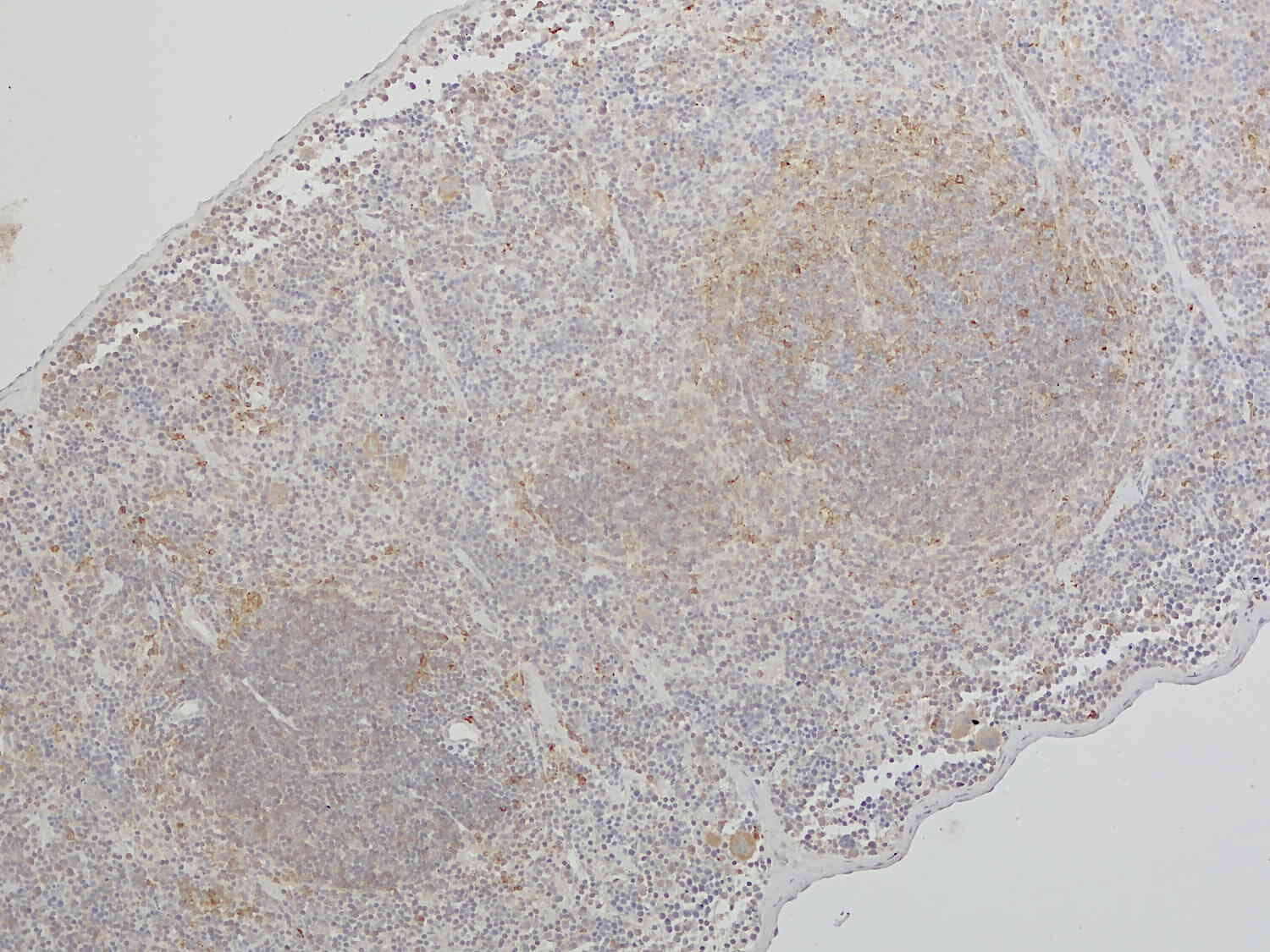
IHC: Antigen retrieval with citrate buffer pH 6 is required. |
| Data sheet | Data Sheet 543_003 |
|
|
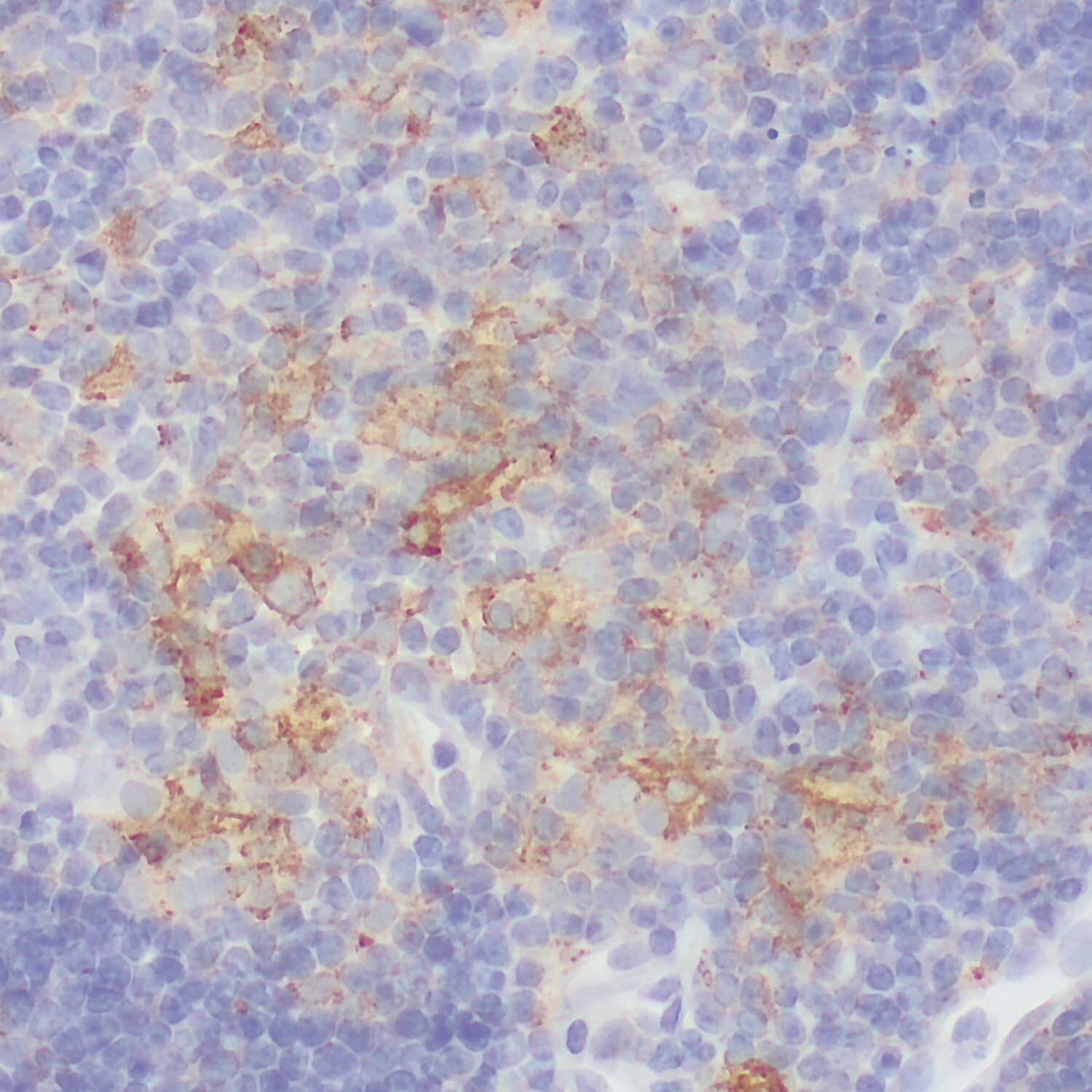
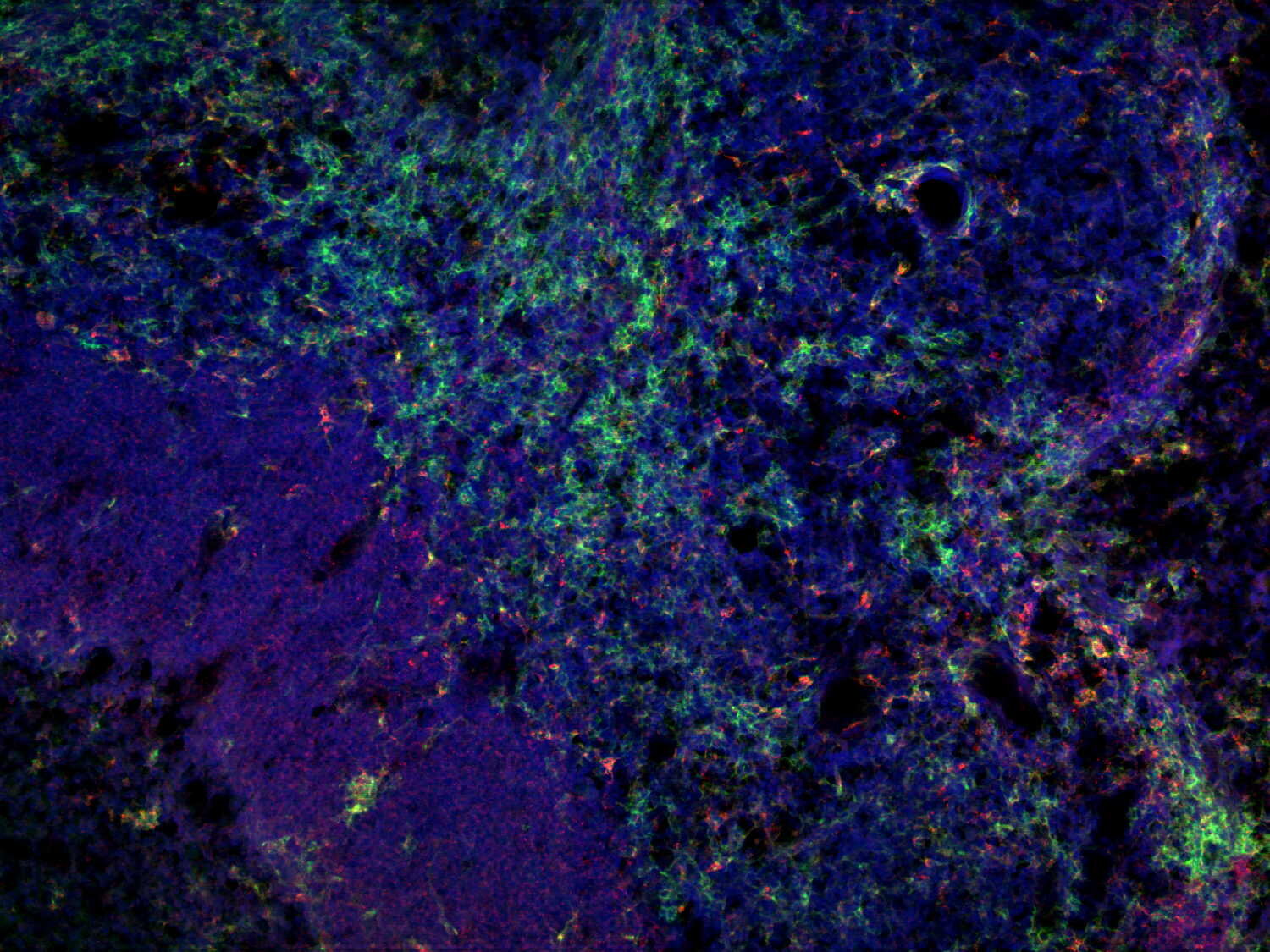
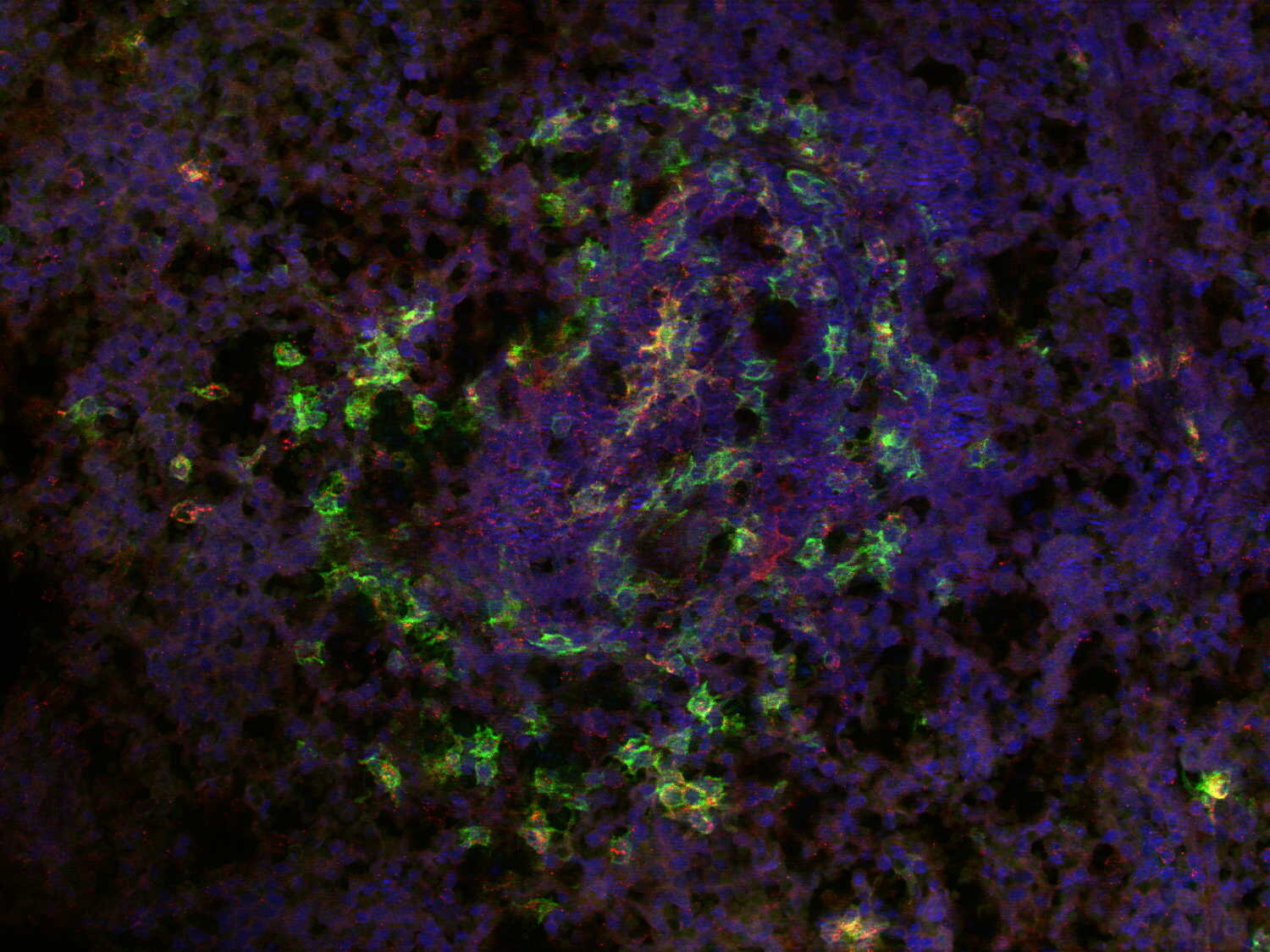
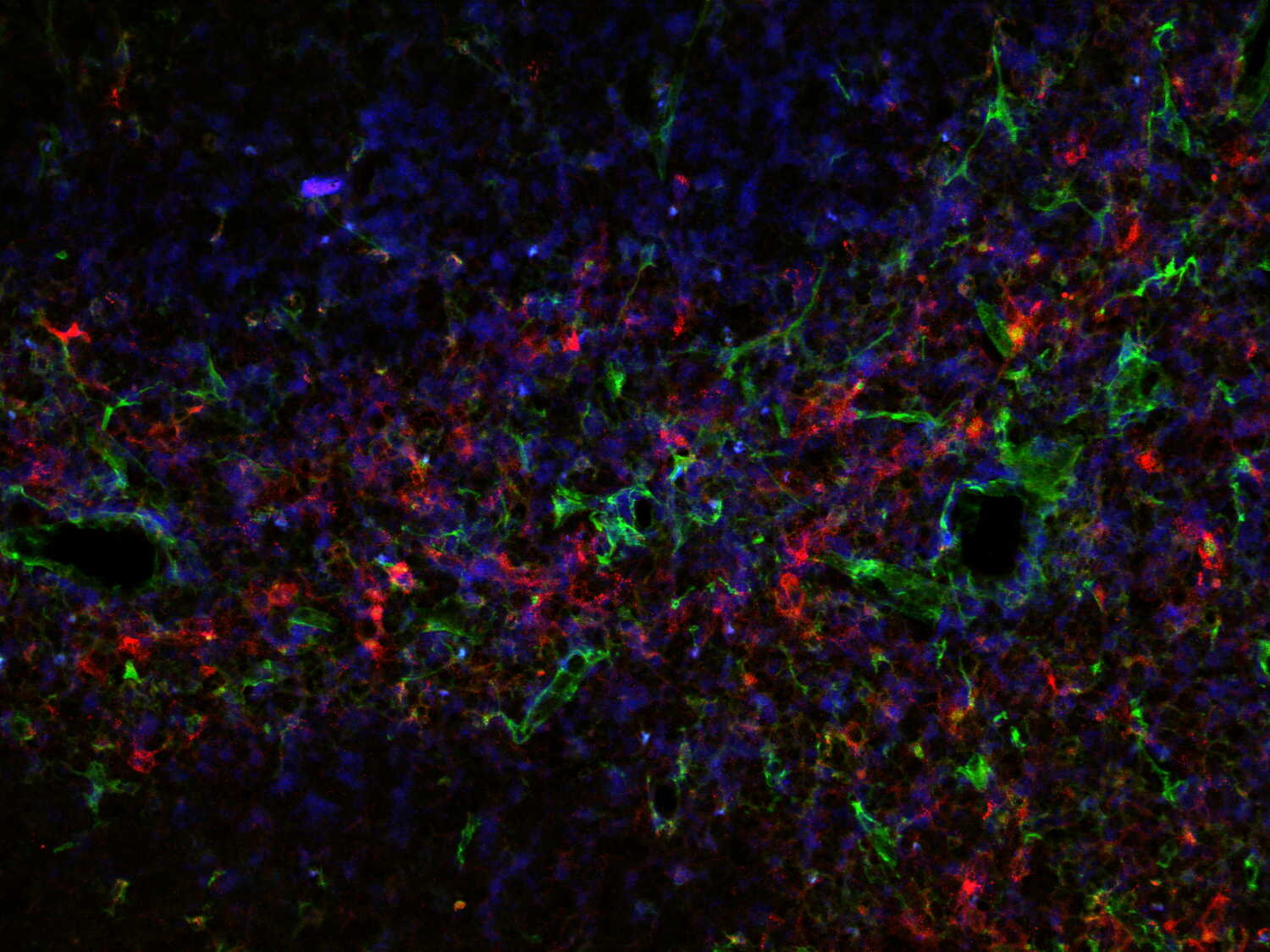
TNFSF14-expressing immune cells in a mouse thymus
Tumor necrosis factor superfamily member 14 (TNFSF14), also known as LIGHT or CD258, is a 29 kDa type II transmembrane protein belonging to the TNF superfamily (1). It is an inducible molecule that is transiently expressed as a membrane-bound protein on activated CD4⁺ and CD8⁺ T cells, natural killer (NK) cells, neutrophils, dendritic cells (DCs), and other innate immune cells. TNFSF14 can also be released as a soluble form following proteolytic cleavage (2–4).
TNFSF14 regulates both innate and adaptive immune responses through engagement of two principal receptors: the herpesvirus entry mediator (HVEM; TNFRSF14) and the lymphotoxin-β receptor (LTβR; TNFRSF3) (4). HVEM is broadly expressed across immune cell populations, including T and B lymphocytes, whereas LTβR is primarily expressed on endothelial, epithelial, and myeloid cells (5). Signaling through these receptors mediates diverse immunological functions that depend on cellular context, receptor expression, ligand availability, and the local inflammatory milieu (6).
Functionally, TNFSF14 expression on DCs or T cells provides costimulatory signals that enhance T cell proliferation and cytokine production (7). In contrast, interaction with LTβR contributes to lymphoid tissue organization, promotes tumor vasculature normalization, and can induce apoptosis in certain tumor cell types (8). In humans, TNFSF14 can also bind Decoy Receptor 3 (DcR3), a soluble receptor that is upregulated in inflammatory diseases and cancer but is absent in mice and rats (6,9).
Collectively, these properties position TNFSF14 as an important immunoregulatory molecule and a promising target for therapeutic modulation in inflammatory diseases and cancer.
Certificates
ISO 9001 2015 Quality Management System and Green Lab Platinum certification level for sustaining laboratory processes.


Newsletter
Sign up for our newsletter and get the latest updates and news.