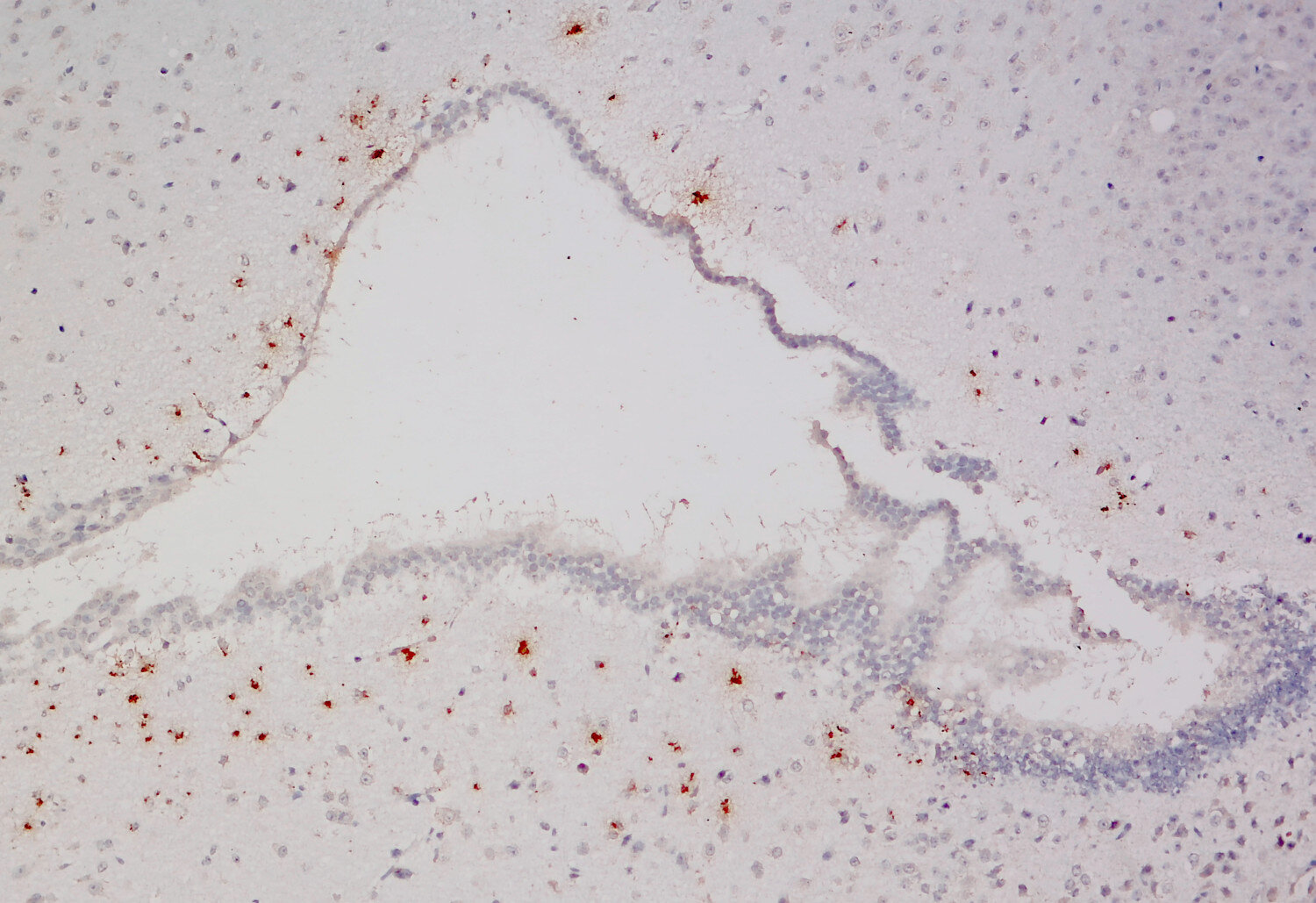
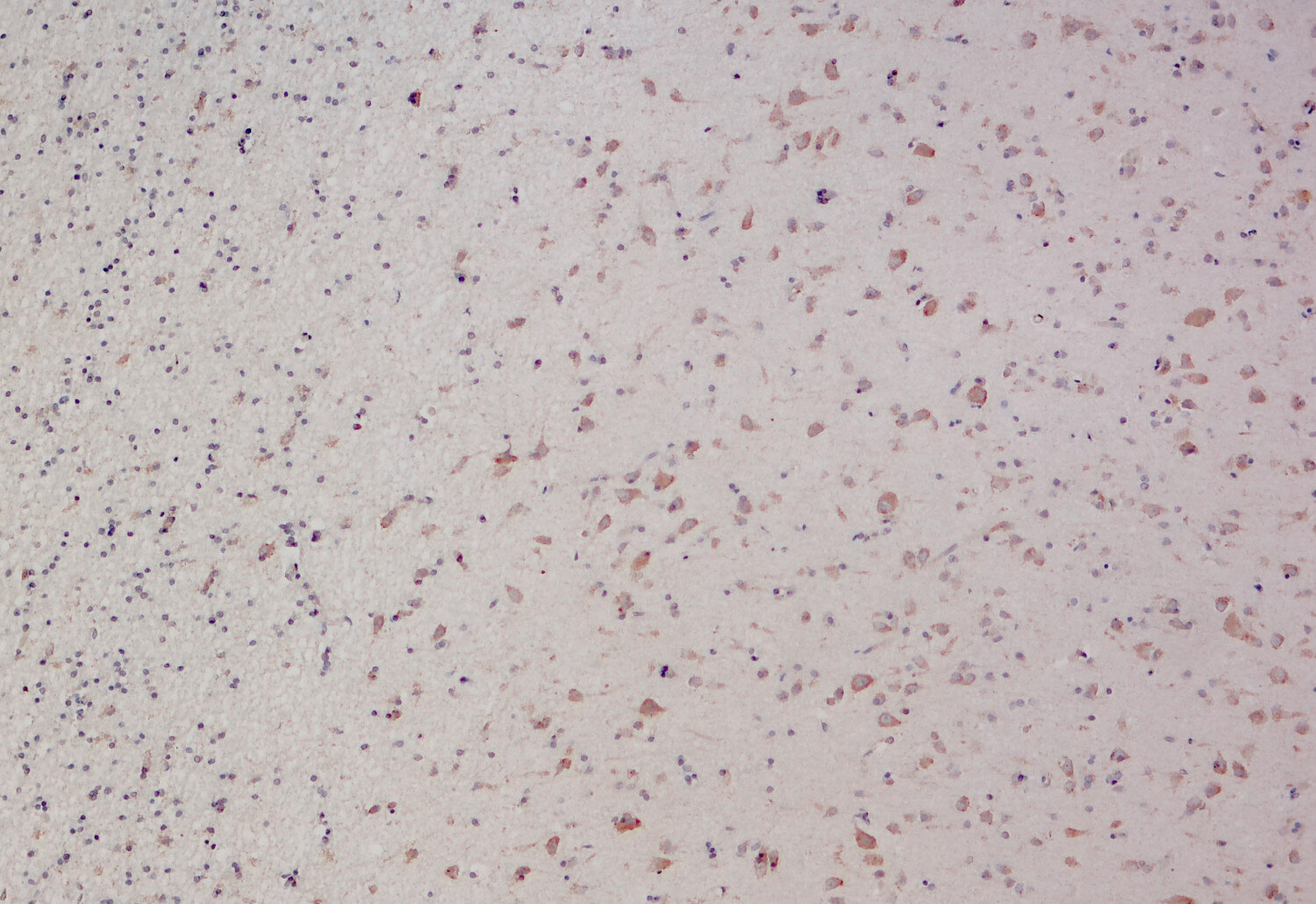
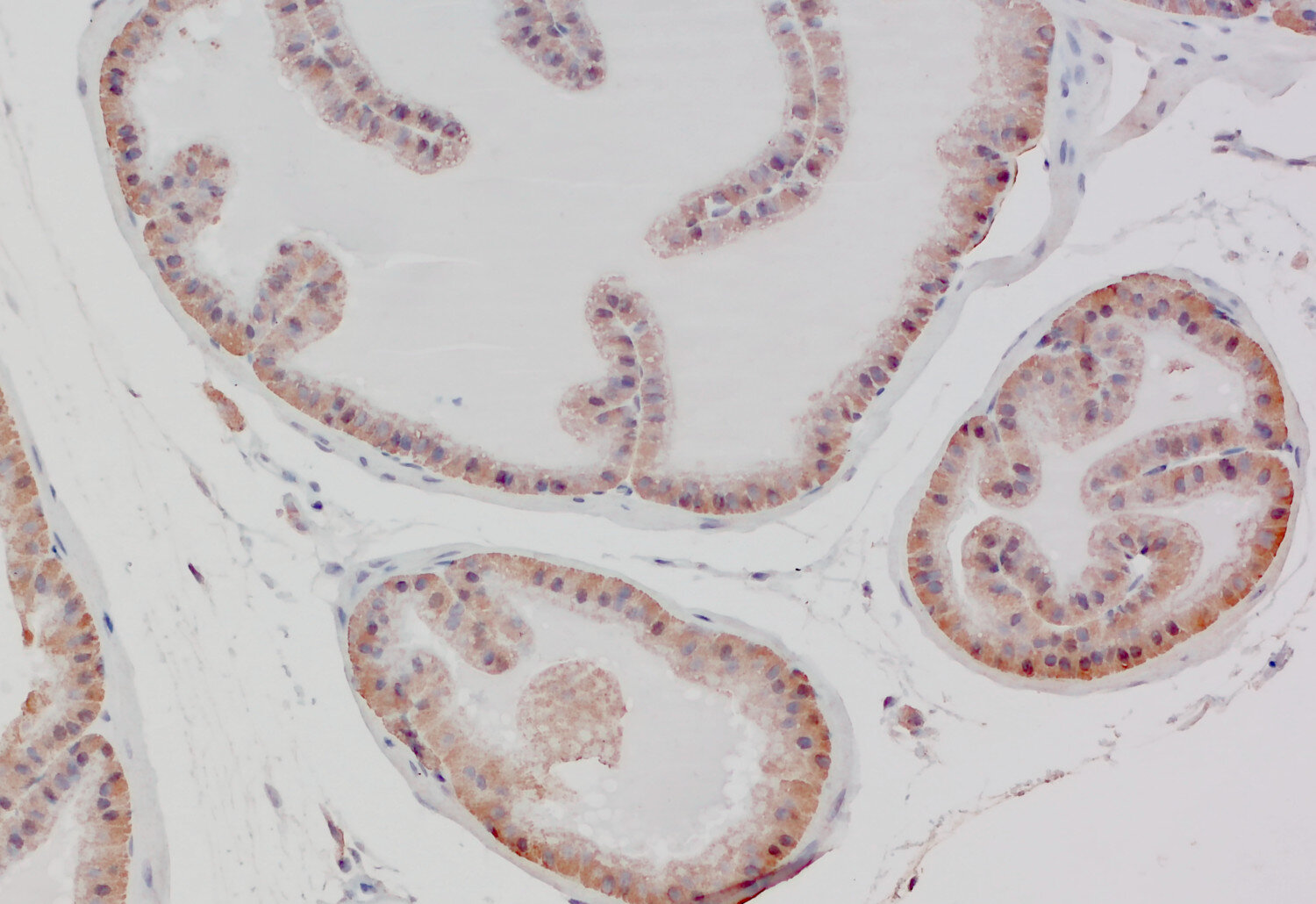
Cat. No.: 542 005
Amount: 50 µg
Price:
$465.00


|

|
|
| Cat. No. 542 005 |
50 µg specific antibody, lyophilized. Affinity purified with the immunogen. Albumin and azide were added for stabilization. For reconstitution add 50 µl H2O to get a 1mg/ml solution in PBS. Then aliquot and store at -20°C to -80°C until use. Antibodies should be stored at +4°C when still lyophilized. Do not freeze! |
| Applications | |
| Immunogen | Synthetic peptide corresponding to residues surrounding AA 160 of mouse TIMP1 (UniProt Id: P12032) |
| Reactivity |
Reacts with: human (P01033), rat (P30120), mouse (P12032). Other species not tested yet. |
| Remarks |
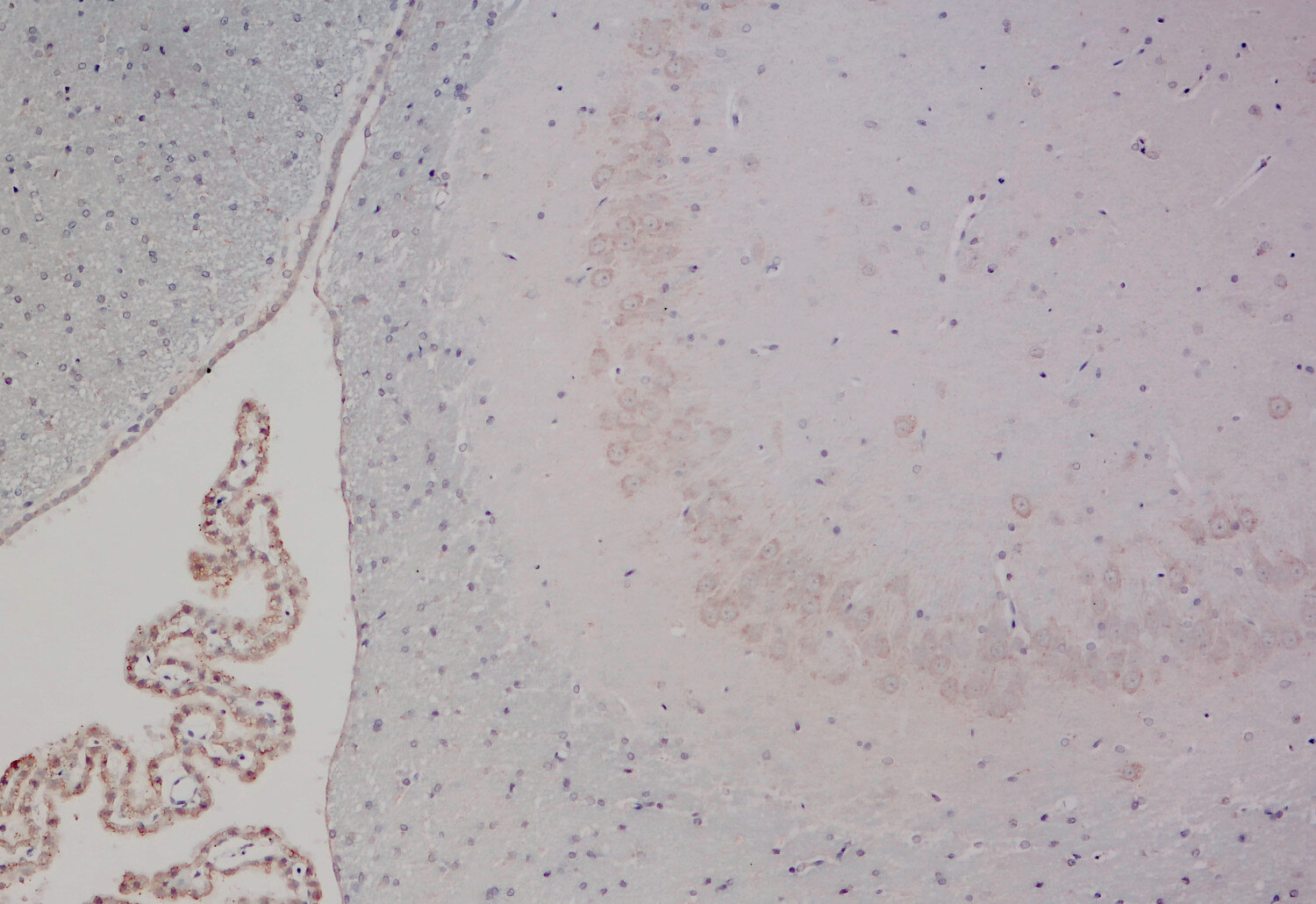
ICC: Some residual secreted TIMP1 can be observed in PFA-fixed mixed neuronal cell cultures as extracellular protein aggregates. |
| Data sheet | Data Sheet 542_005 |
|
|
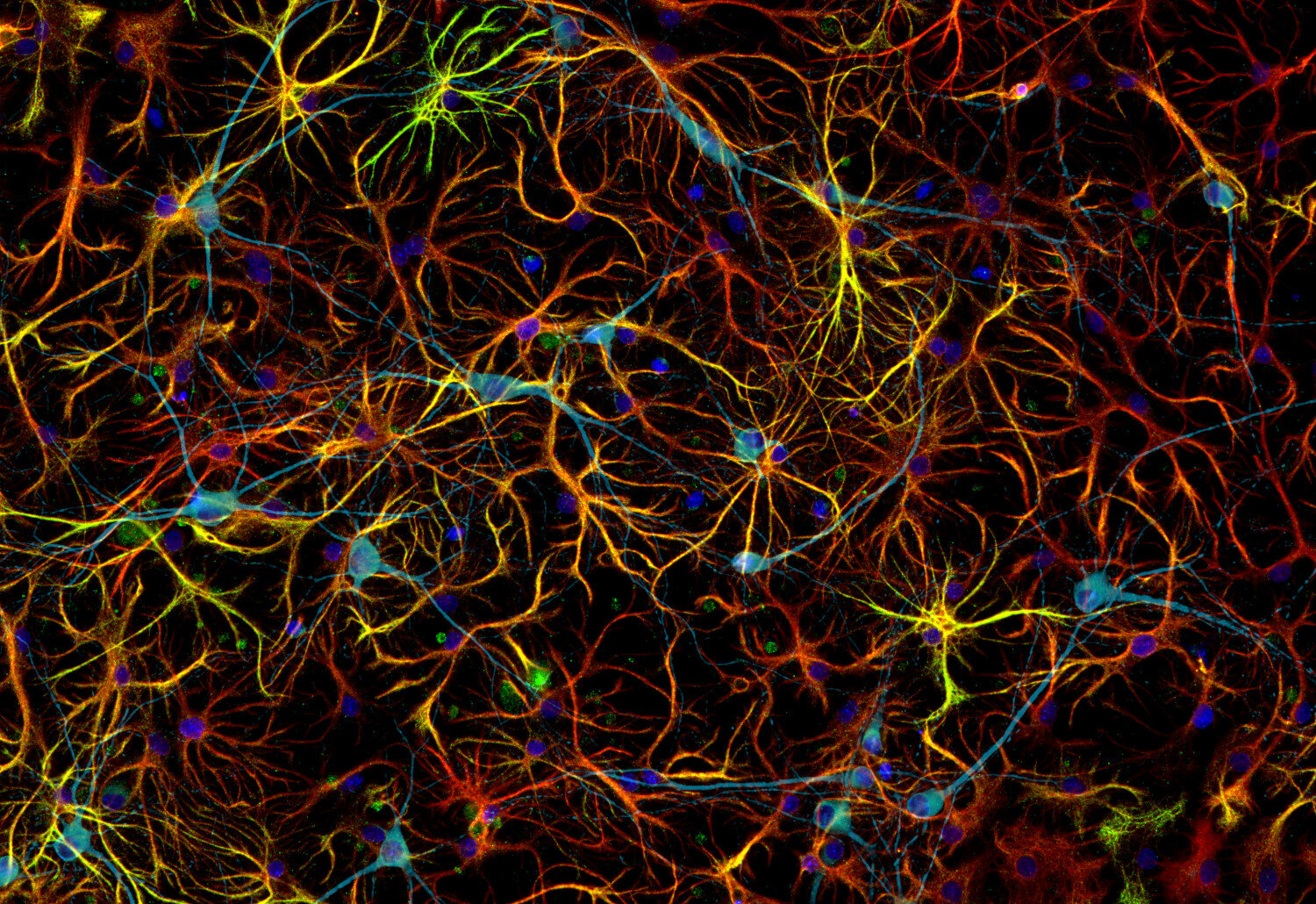
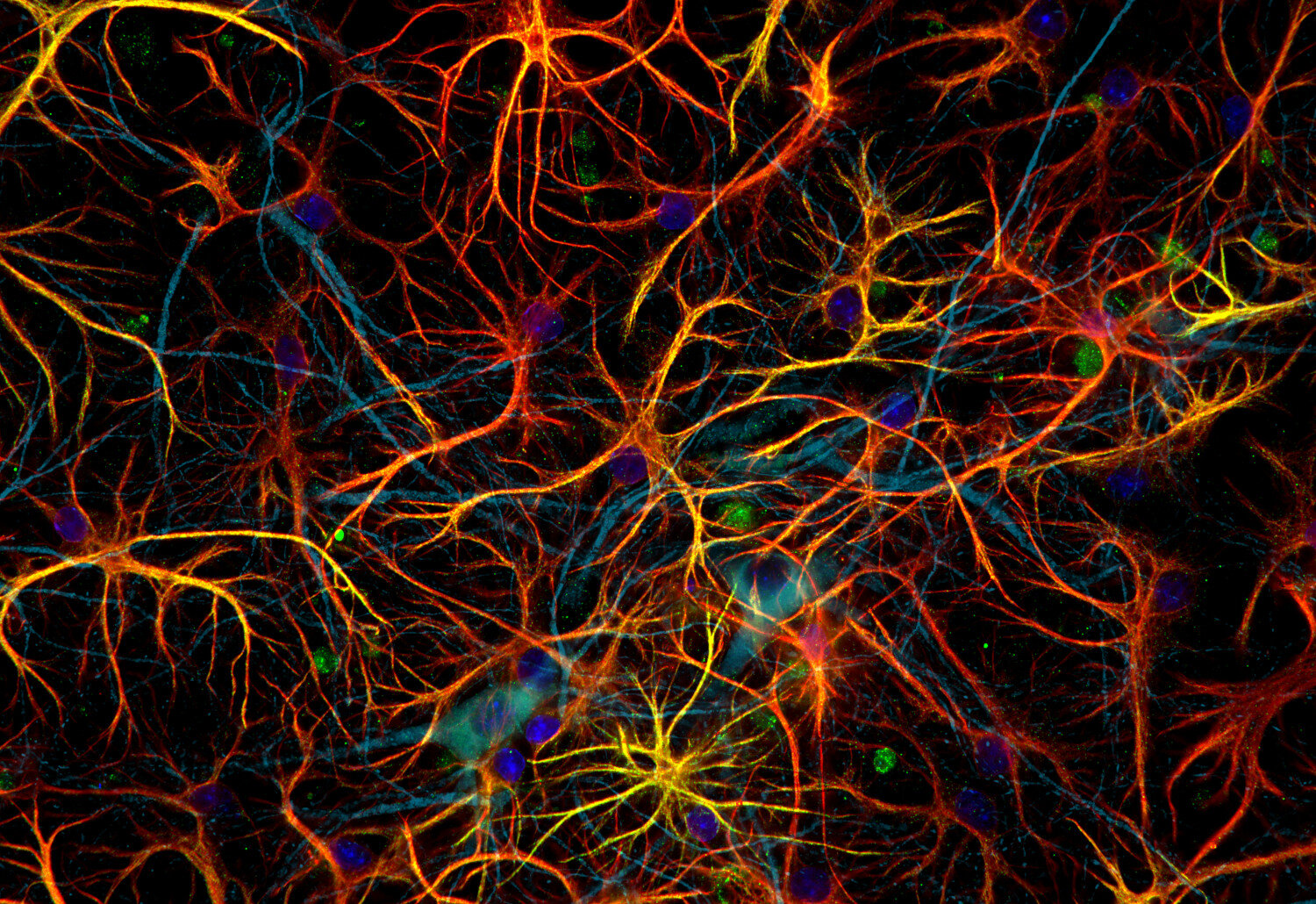
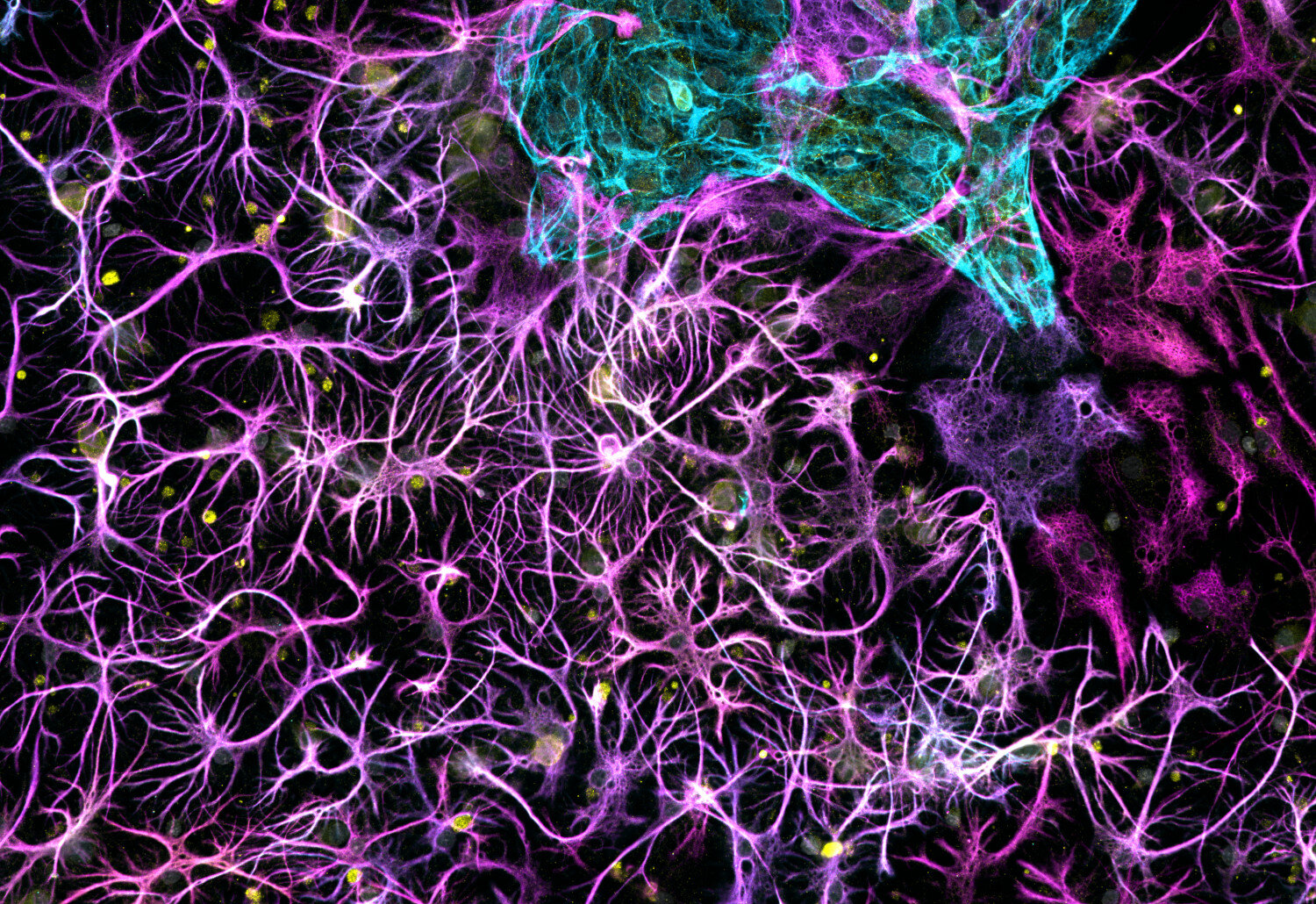
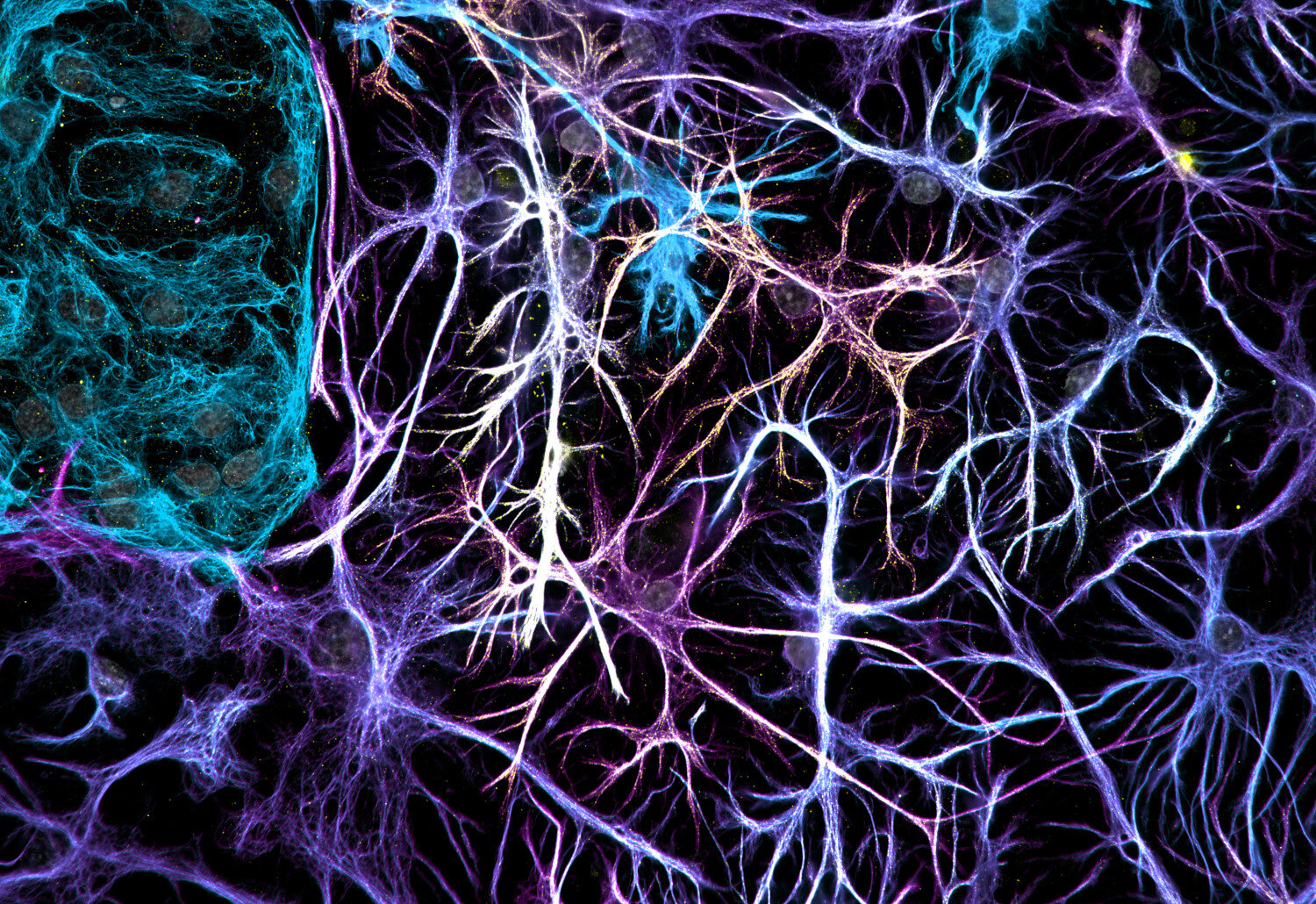
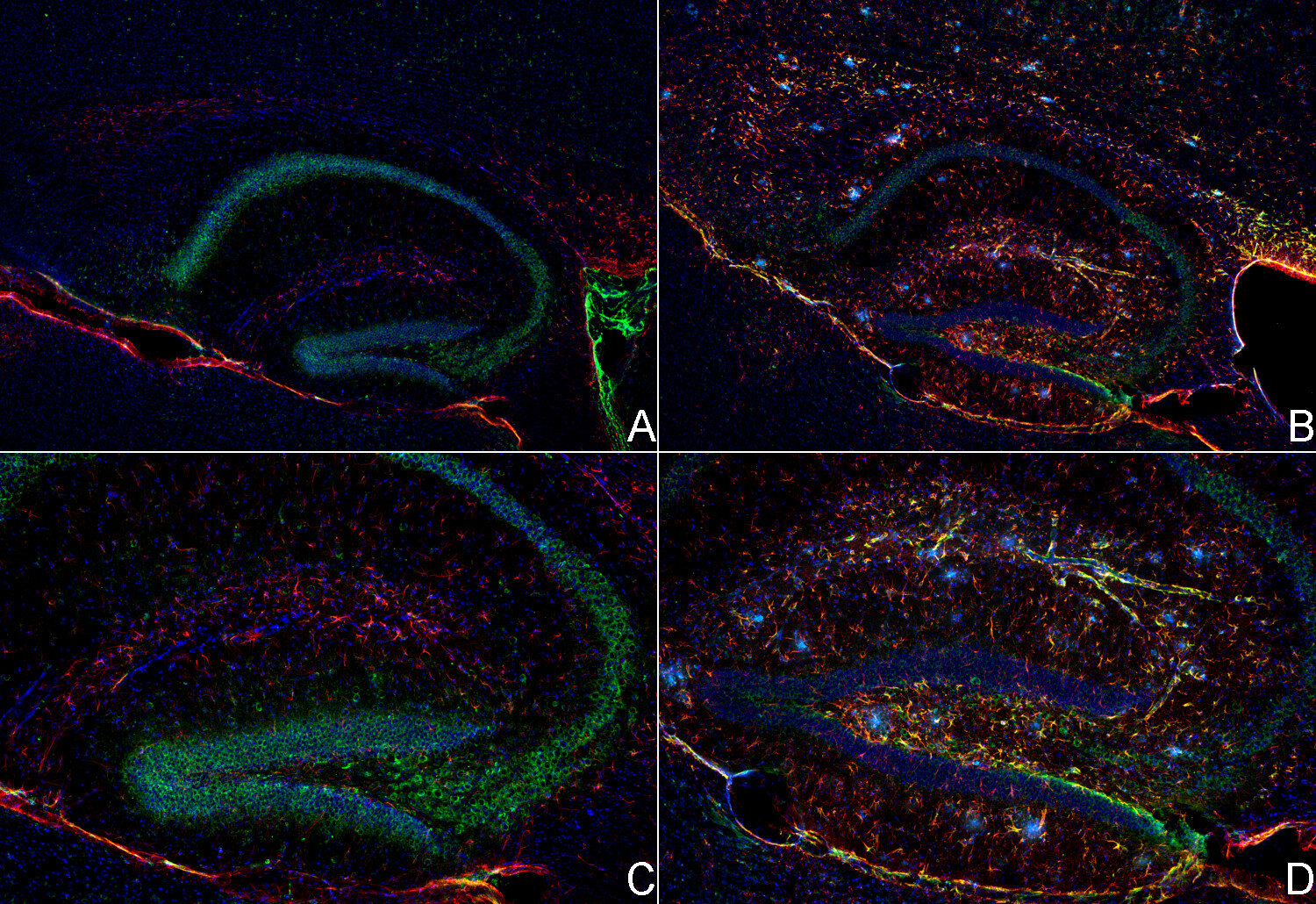
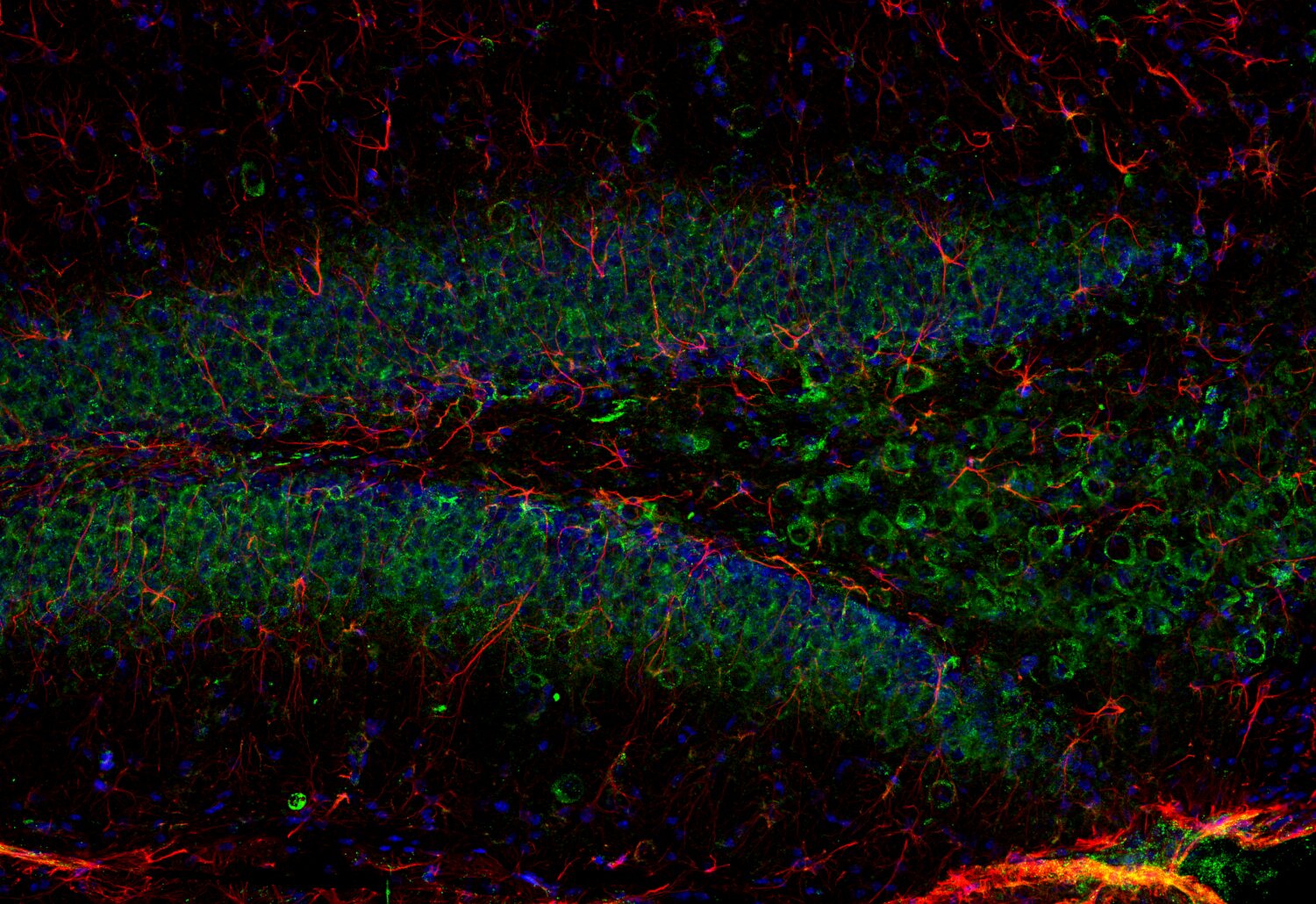
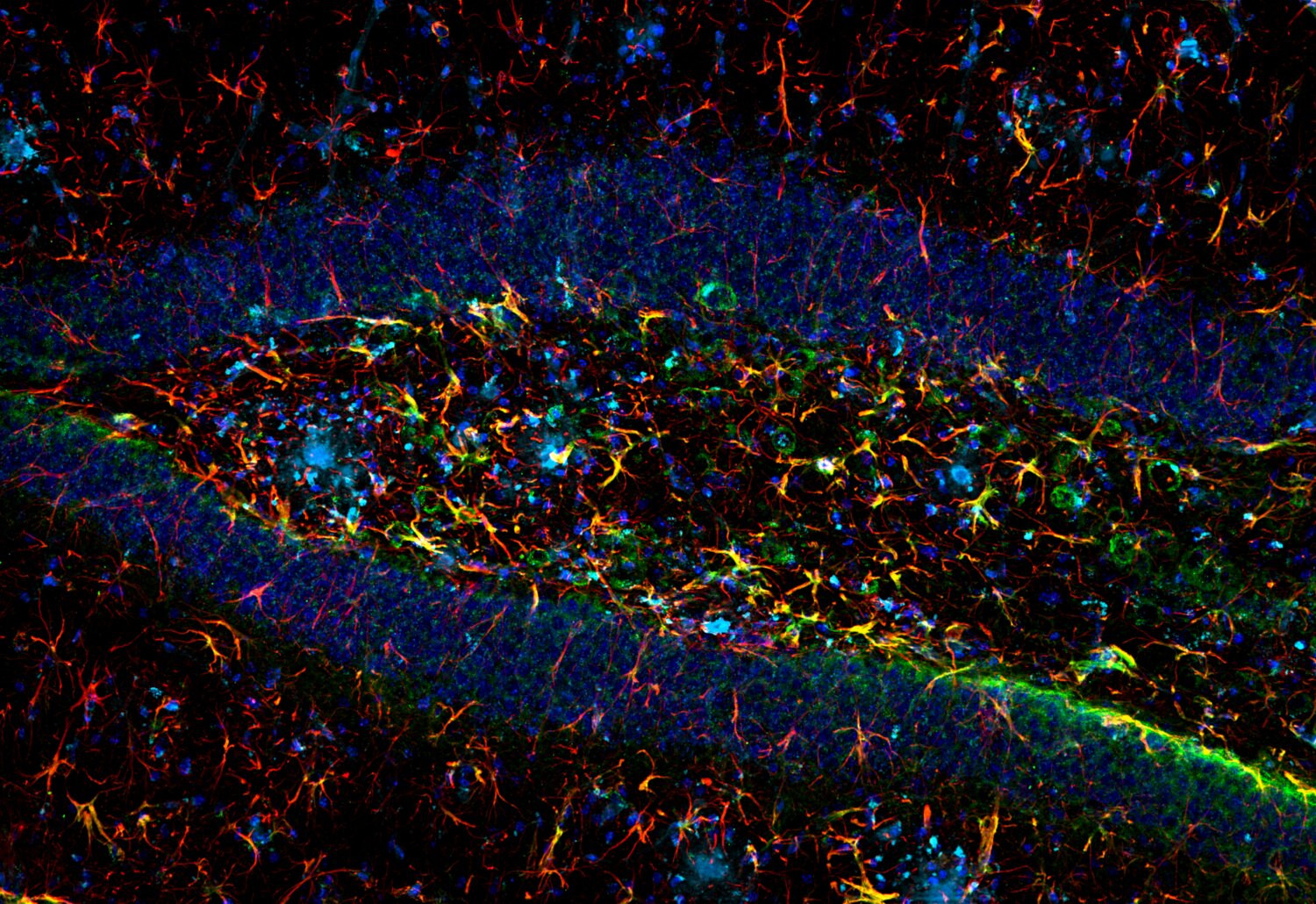
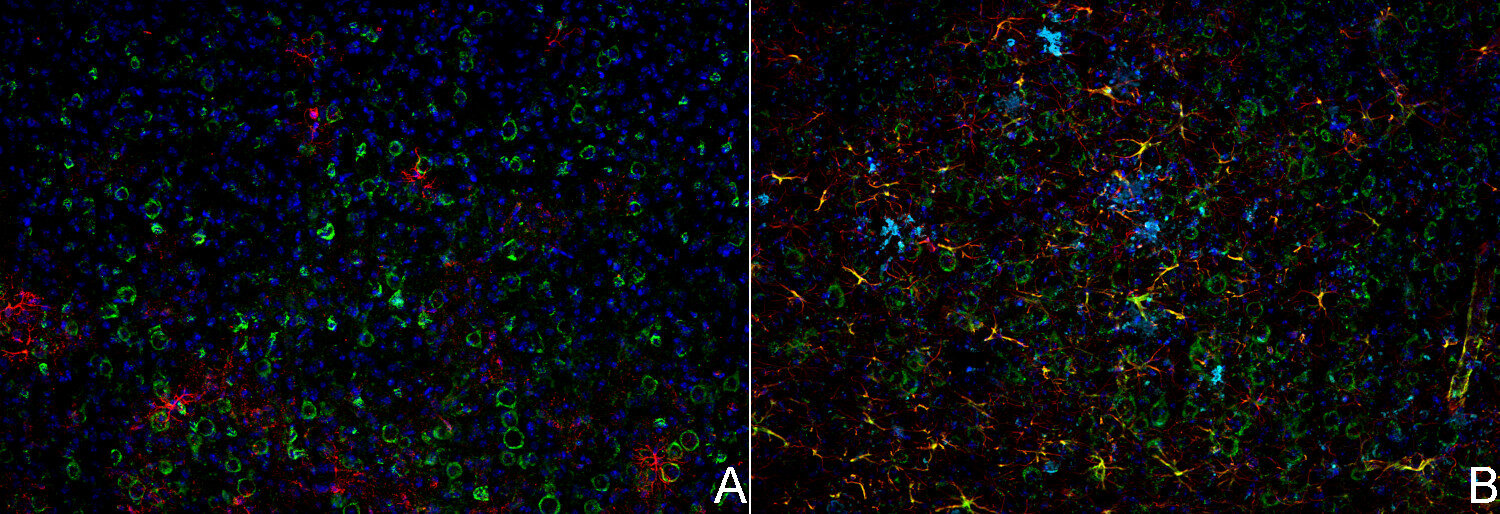
TIMP1-positive astrocytes (green) in a rat brain mixed cell culture
Tissue inhibitor of metalloproteinase-1 (TIMP1) is an extracellular protein and endogenous regulator of matrix metalloproteinases (MMPs), essential for extracellular matrix homeostasis. In addition to its inhibitory function, TIMP1 binds membrane receptors such as CD63, activating intracellular signaling pathways that support cell survival, migration, and differentiation (1).
In the central nervous system, elevated TIMP1 expression during early postnatal development suggests key roles in neuronal differentiation, survival, and gliogenesis, including the migration of astrocytes and oligodendrocyte precursors. In the healthy adult brain, TIMP1 expression is relatively low and primarily localized to neuronal cell bodies, indicating tightly controlled physiological activity (2).
TIMP1 is strongly induced in response to CNS injury and neurodegenerative conditions, including epilepsy, myelin damage, and Alzheimer’s disease, where it is mainly expressed by reactive astrocytes and contributes to inflammatory pathways and blood–brain barrier regulation (3,4,5).
Clinically, elevated TIMP1 levels in plasma and tumor tissues are associated with poor outcomes in multiple cancers, including prostate, colon, and lung cancer, supporting its utility as a promising biomarker for disease progression and early detection (6).
Certificates
ISO 9001 2015 Quality Management System and Green Lab Platinum certification level for sustaining laboratory processes.


Newsletter
Sign up for our newsletter and get the latest updates and news.