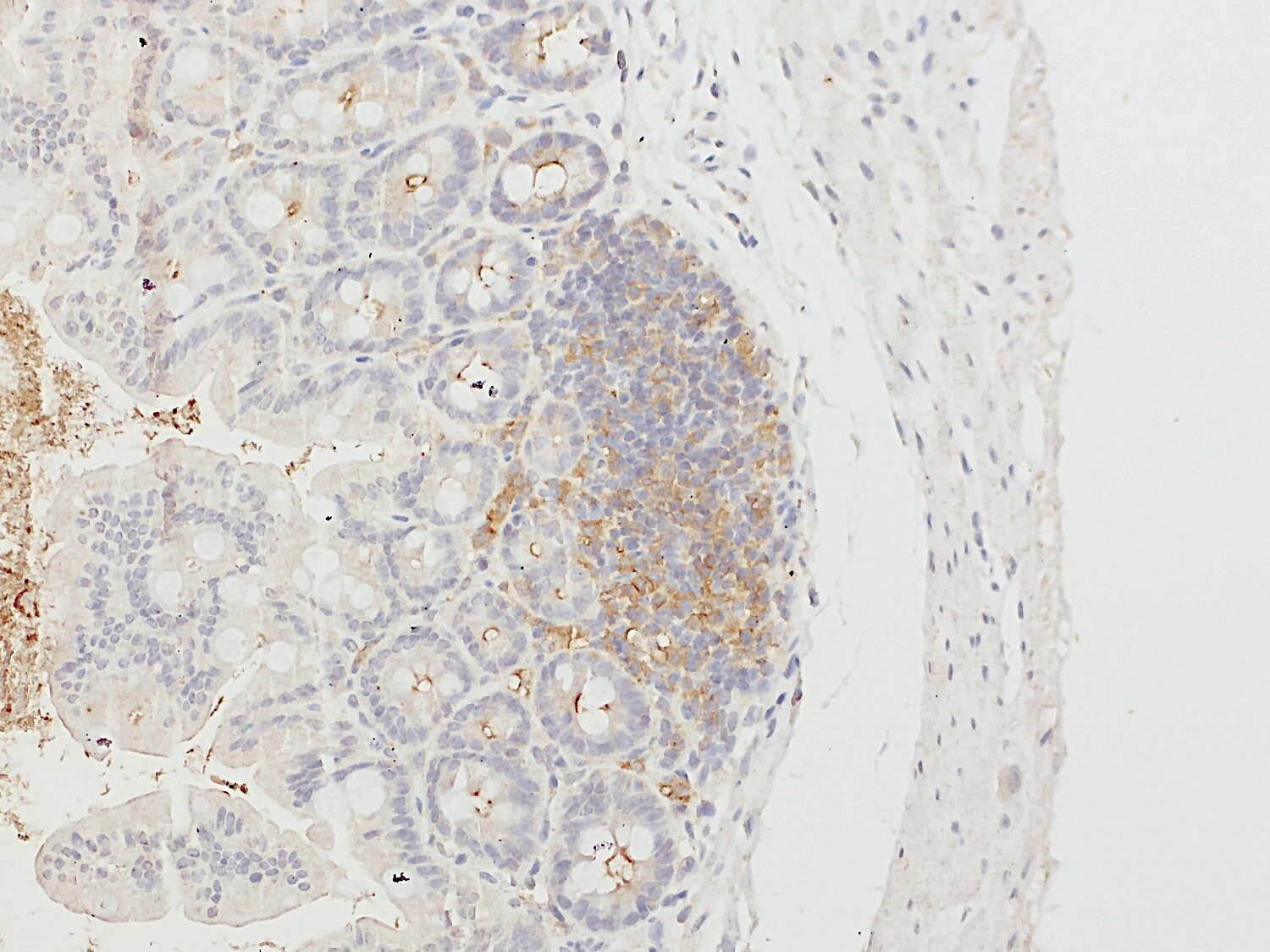
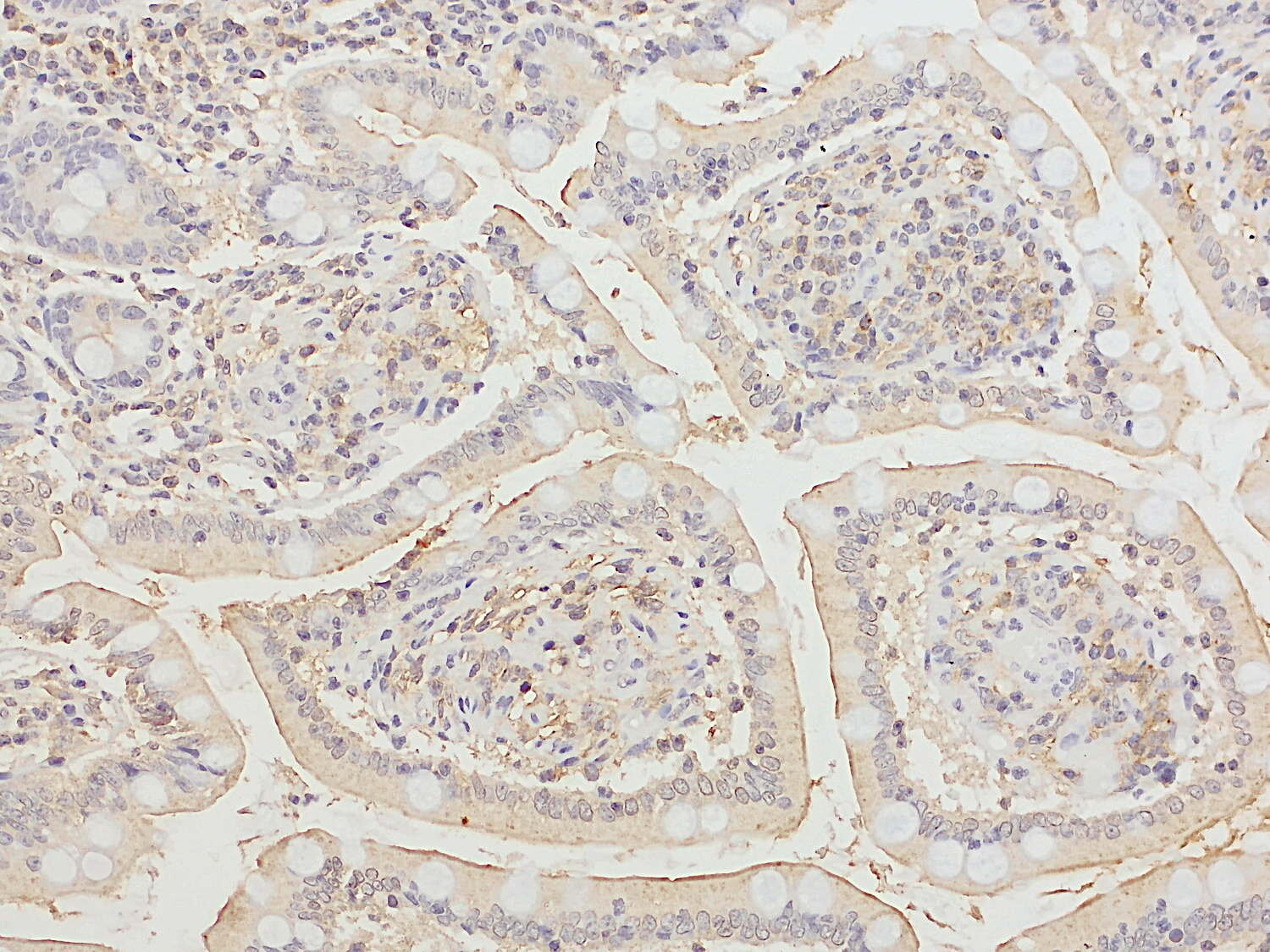
Cat. No.: 539 005
Amount: 50 µg
Price:
$465.00


|

|
|
| Cat. No. 539 005 |
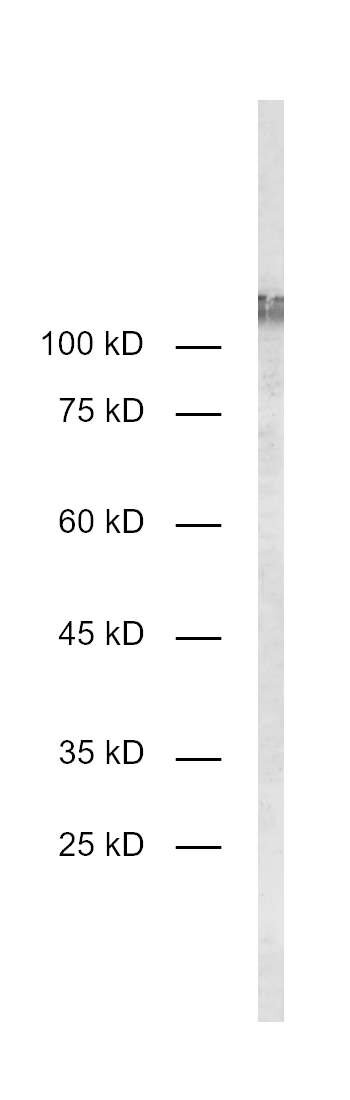
50 µg specific antibody, lyophilized. Affinity purified with the immunogen. Albumin and azide were added for stabilization. For reconstitution add 50 µl H2O to get a 1mg/ml solution in PBS. Then aliquot and store at -20°C to -80°C until use. Antibodies should be stored at +4°C when still lyophilized. Do not freeze! |
| Applications | |
| Immunogen | Synthetic peptide corresponding to residues surrounding AA 500 of mouse DPP4 (UniProt Id: P28843) |
| Reactivity |
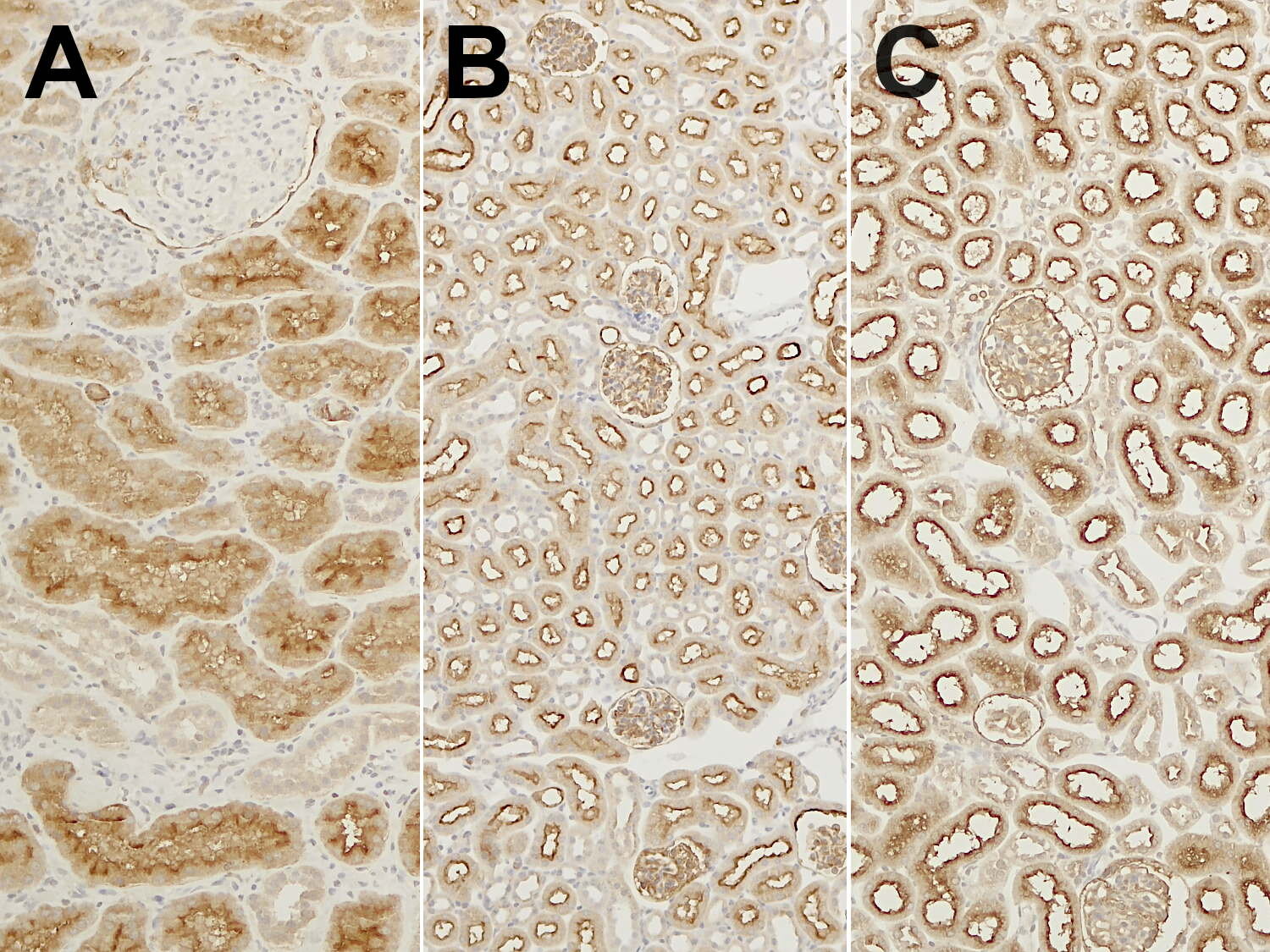
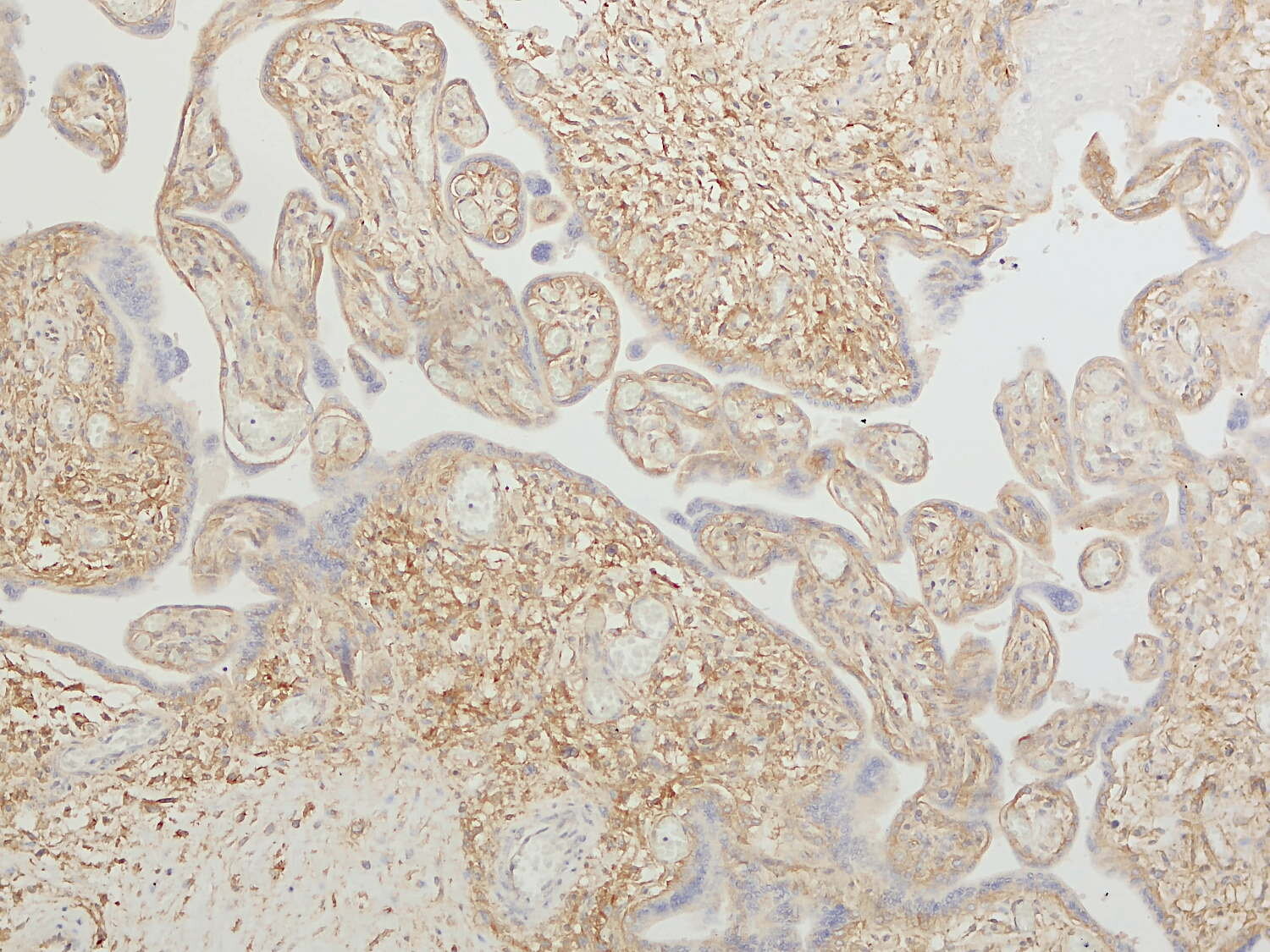
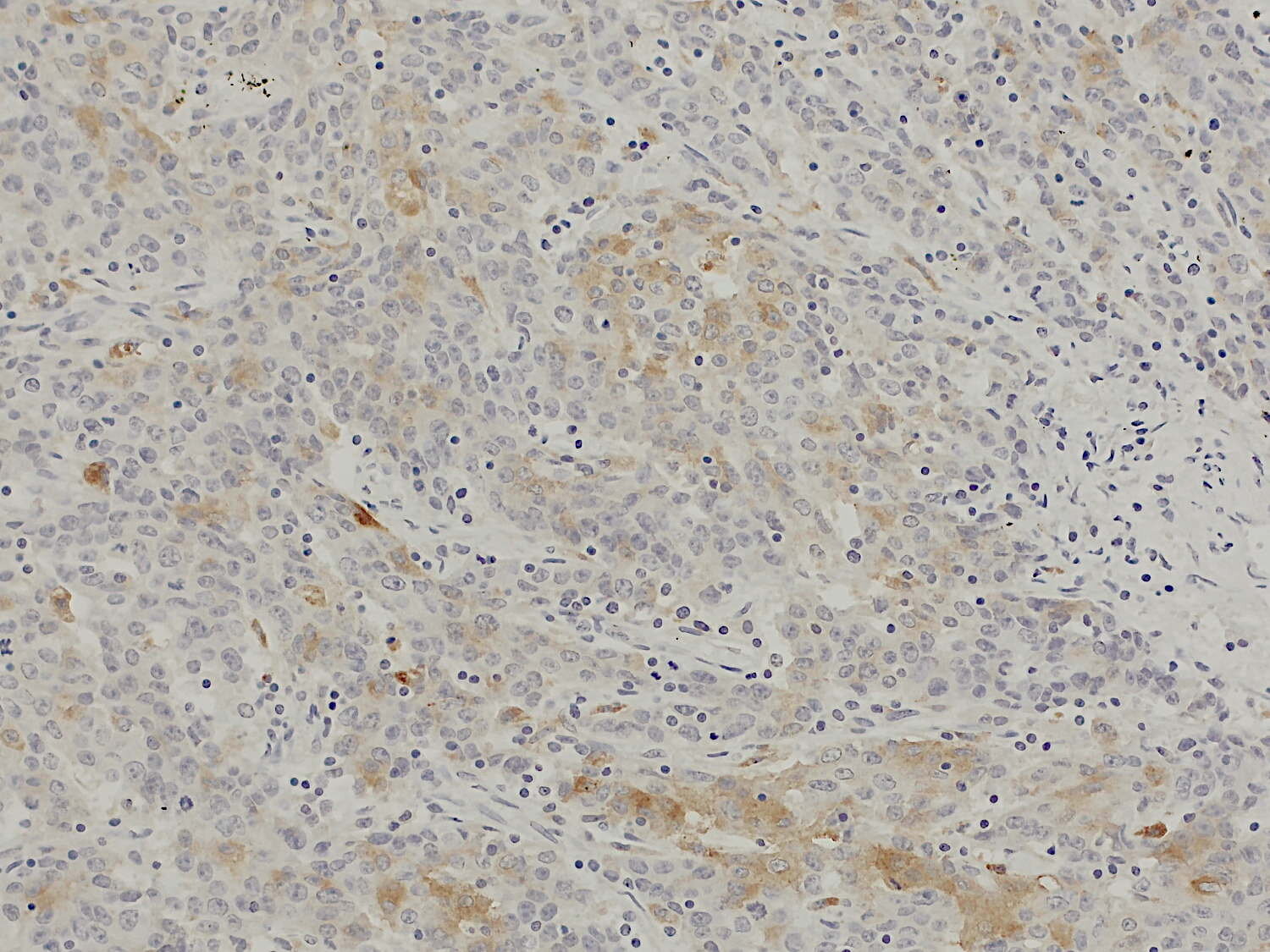
Reacts with: mouse (P28843), rat (P14740), human (P27487). Other species not tested yet. |
| Remarks |
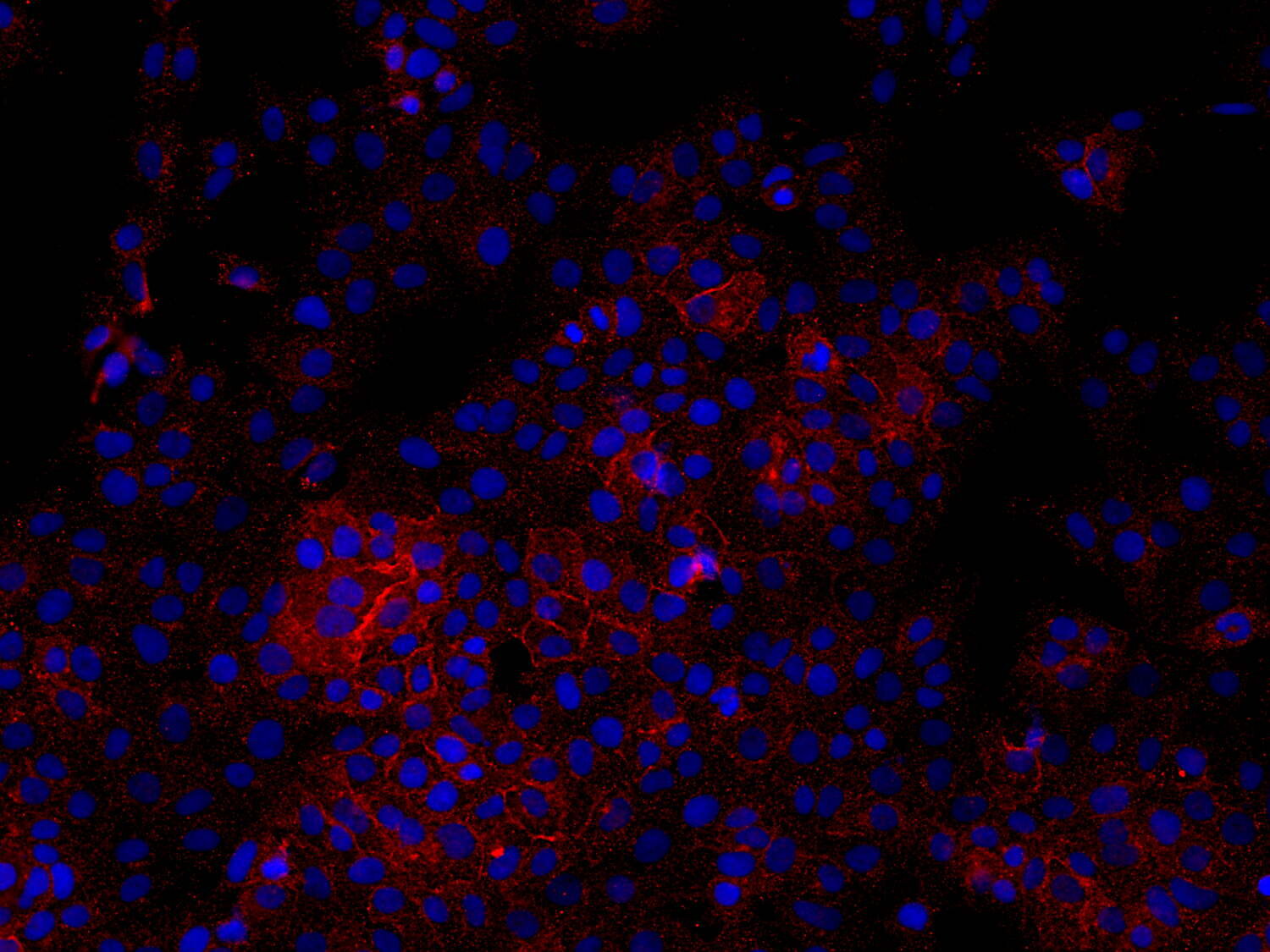
ICC: Methanol fixation is recommended. |
| Data sheet | Data Sheet 539_005 |
|
|
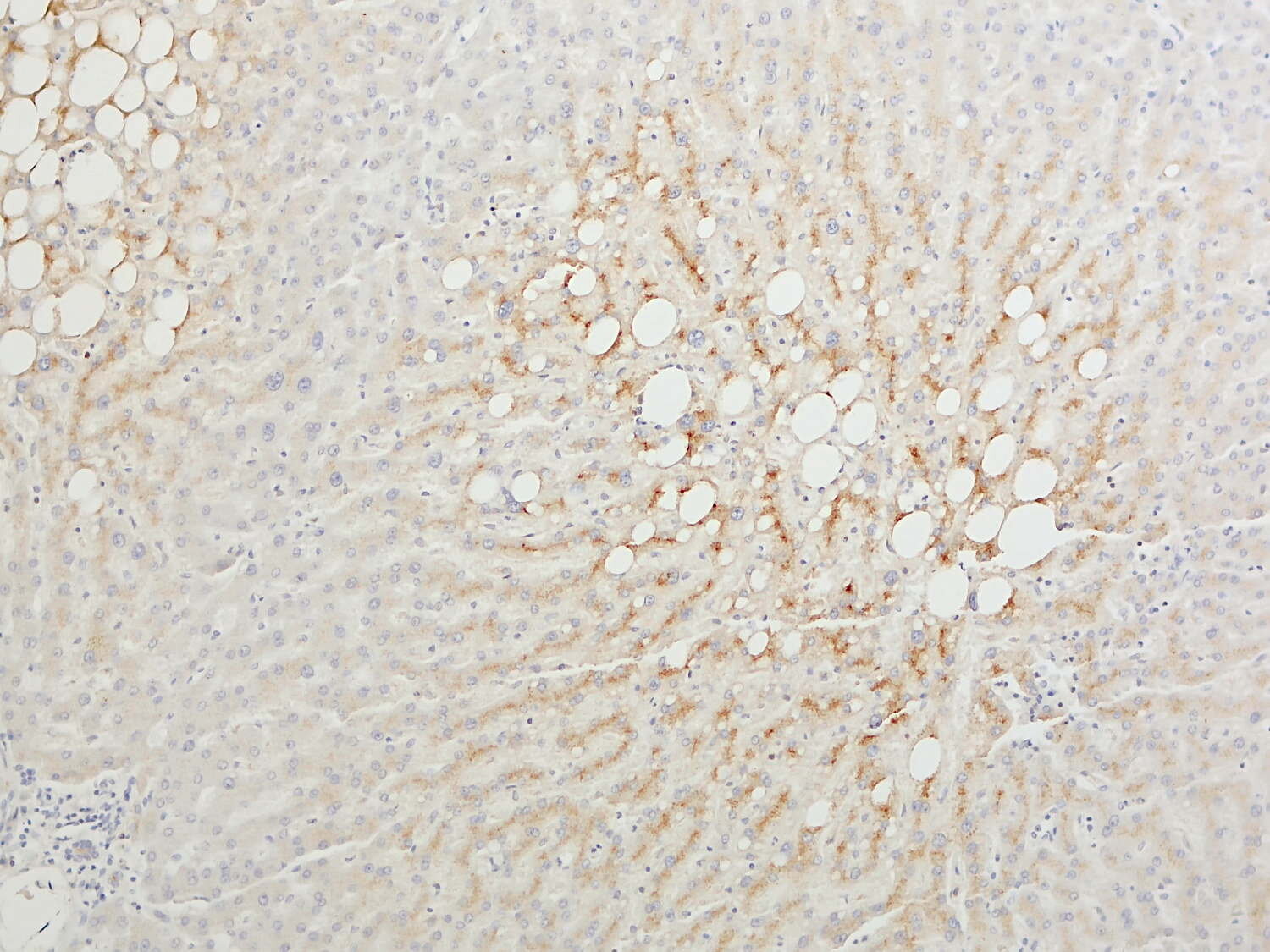
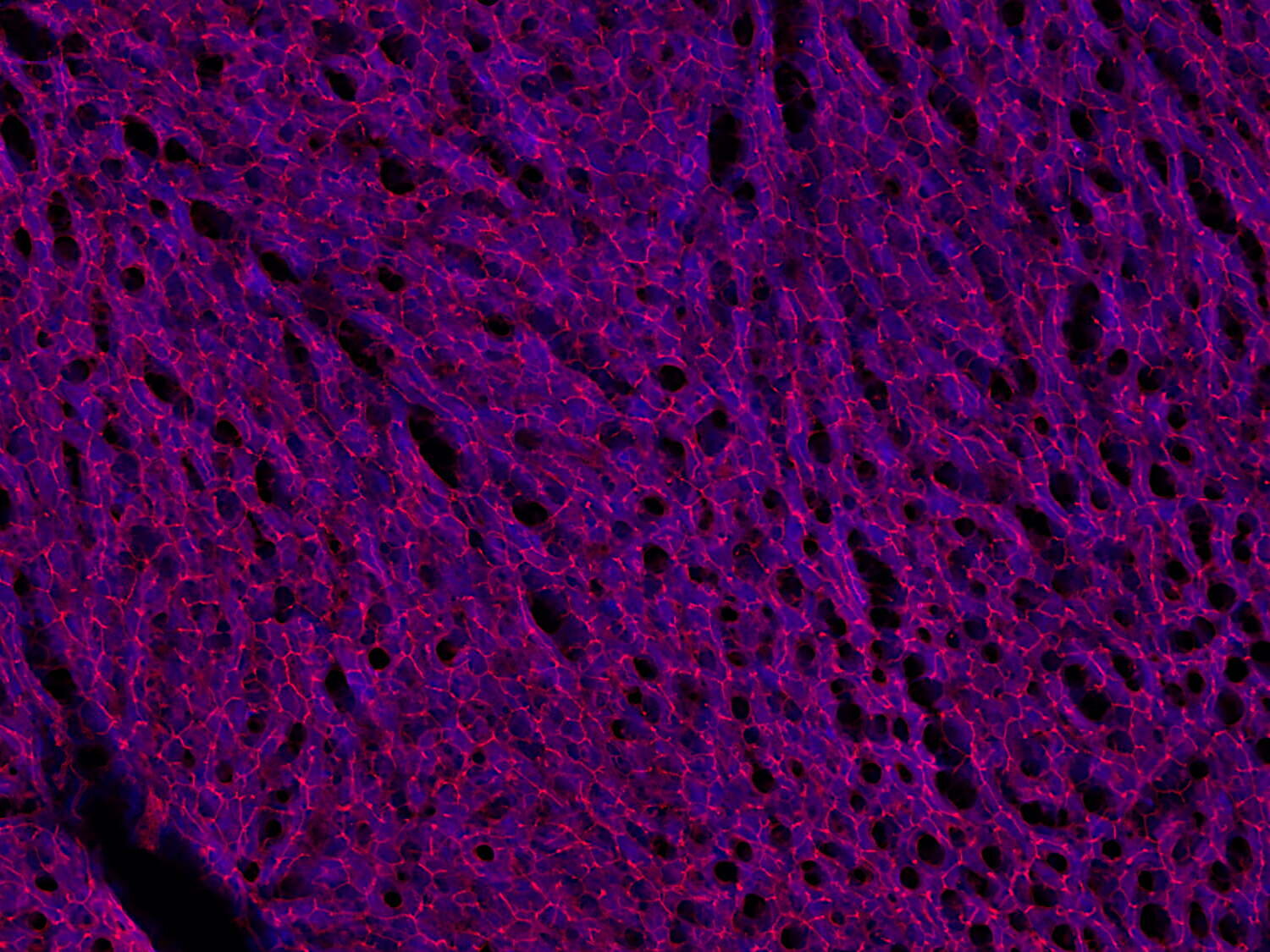
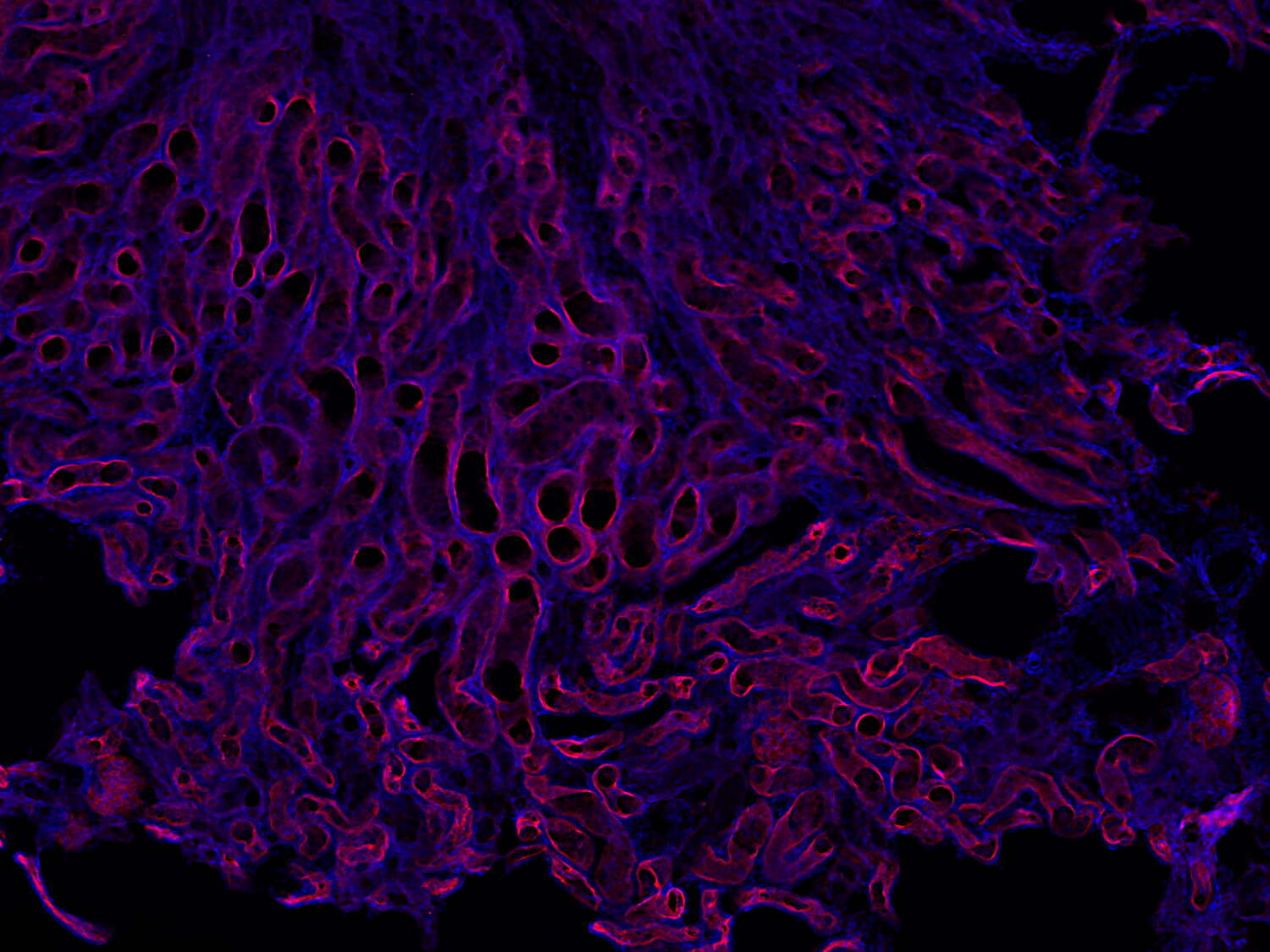
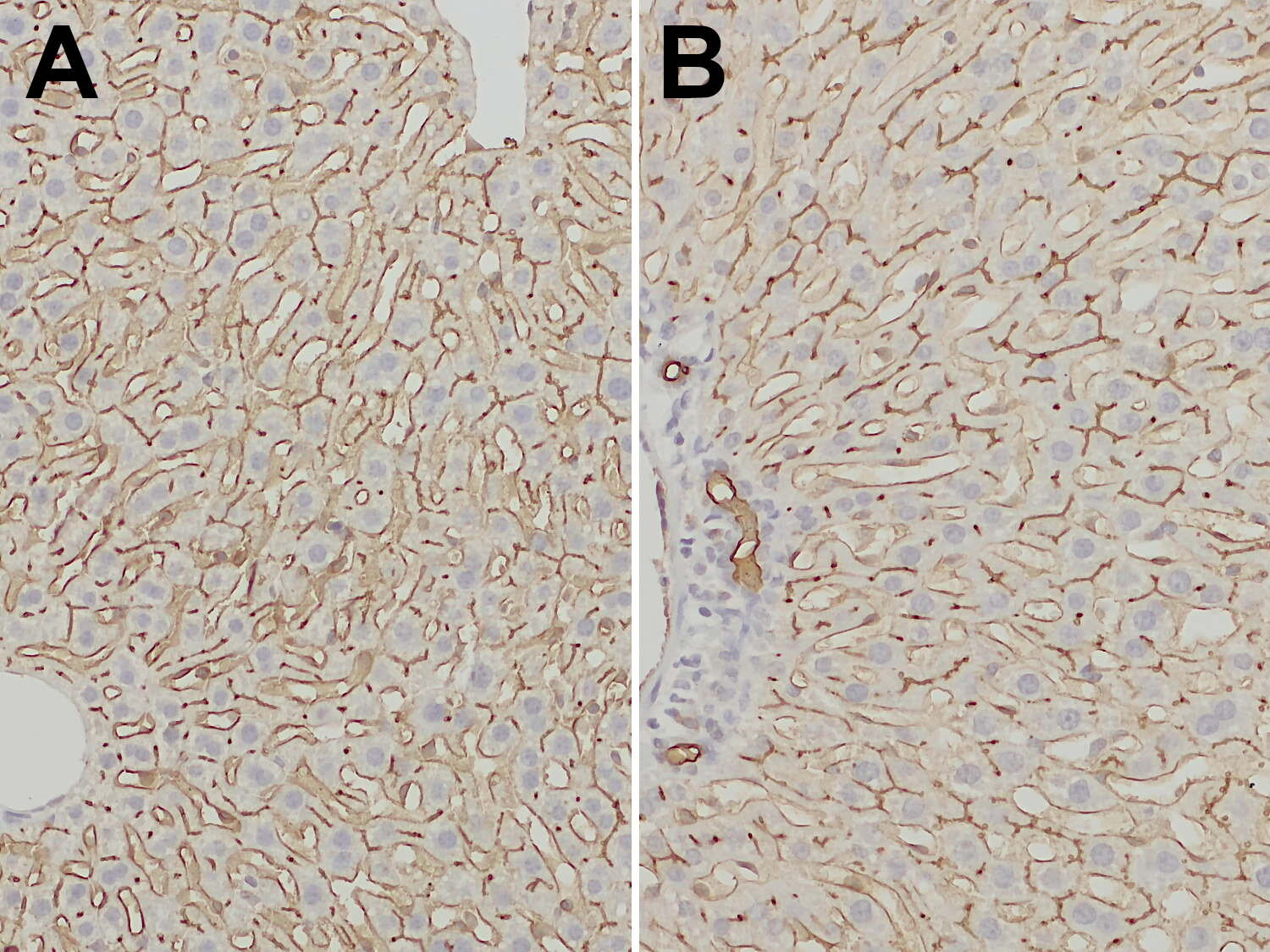
DPP4 / CD26 staining of bile canaliculi in human liver
Dipeptidyl peptidase-4 (DPP4), also known as cluster of differentiation 26 (CD26), is a multifunctional type II transmembrane glycoprotein with enzymatic and non-enzymatic roles in metabolism, immune regulation, tissue remodeling, and cancer. DPP4/CD26 is widely expressed on epithelial, endothelial, stromal, and immune cells and exists both as a membrane-bound protein and a soluble circulating form, enabling broad systemic effects (1–3). Through its proteolytic activity, DPP4/CD26 cleaves incretin hormones, chemokines, neuropeptides, and cytokines, thereby regulating glucose homeostasis, immune cell trafficking, and inflammatory signaling (3,4). Accordingly, DPP4 inhibitors are widely used in the treatment of type 2 diabetes mellitus (5). Beyond its metabolic function, accumulating evidence implicates DPP4 in the pathogenesis of cardiovascular disease, organ fibrosis, and infectious diseases (2,3,4). DPP4 also plays a complex and context-dependent role in cancer biology. Its expression is dysregulated across multiple malignancies, where it may function as either a tumor-promoting or tumor-suppressive factor depending on cellular and microenvironmental context (6). In colorectal cancer, DPP4 marks a subpopulation of cancer stem cells with high metastatic potential. Notably, experimental evidence demonstrates that anti-DPP4 antibody therapy suppresses epithelial-mesenchymal transition and metastasis (7).
Certificates
ISO 9001 2015 Quality Management System and Green Lab Platinum certification level for sustaining laboratory processes.


Newsletter
Sign up for our newsletter and get the latest updates and news.