Cat. No.: 445 308
Amount: 50 µg
Price:
$420.00


|

|
|
| Cat. No. 445 308 |
50 µg purified recombinant IgG, lyophilized. Albumin and azide were added for stabilization. For reconstitution add 50 µl H2O to get a 1mg/ml solution in PBS. Then aliquot and store at -20°C to -80°C until use. Antibodies should be stored at +4°C when still lyophilized. Do not freeze! |
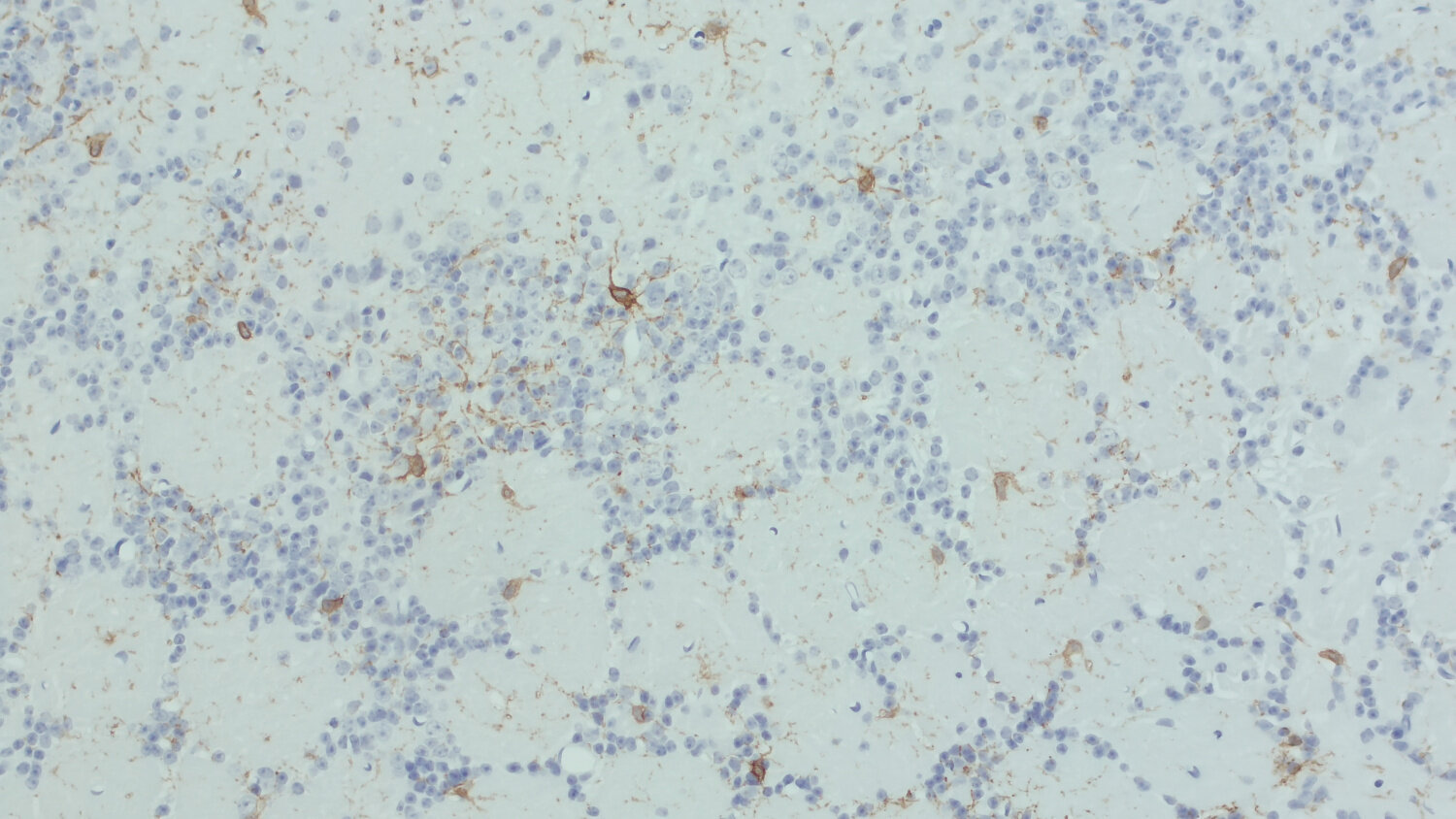
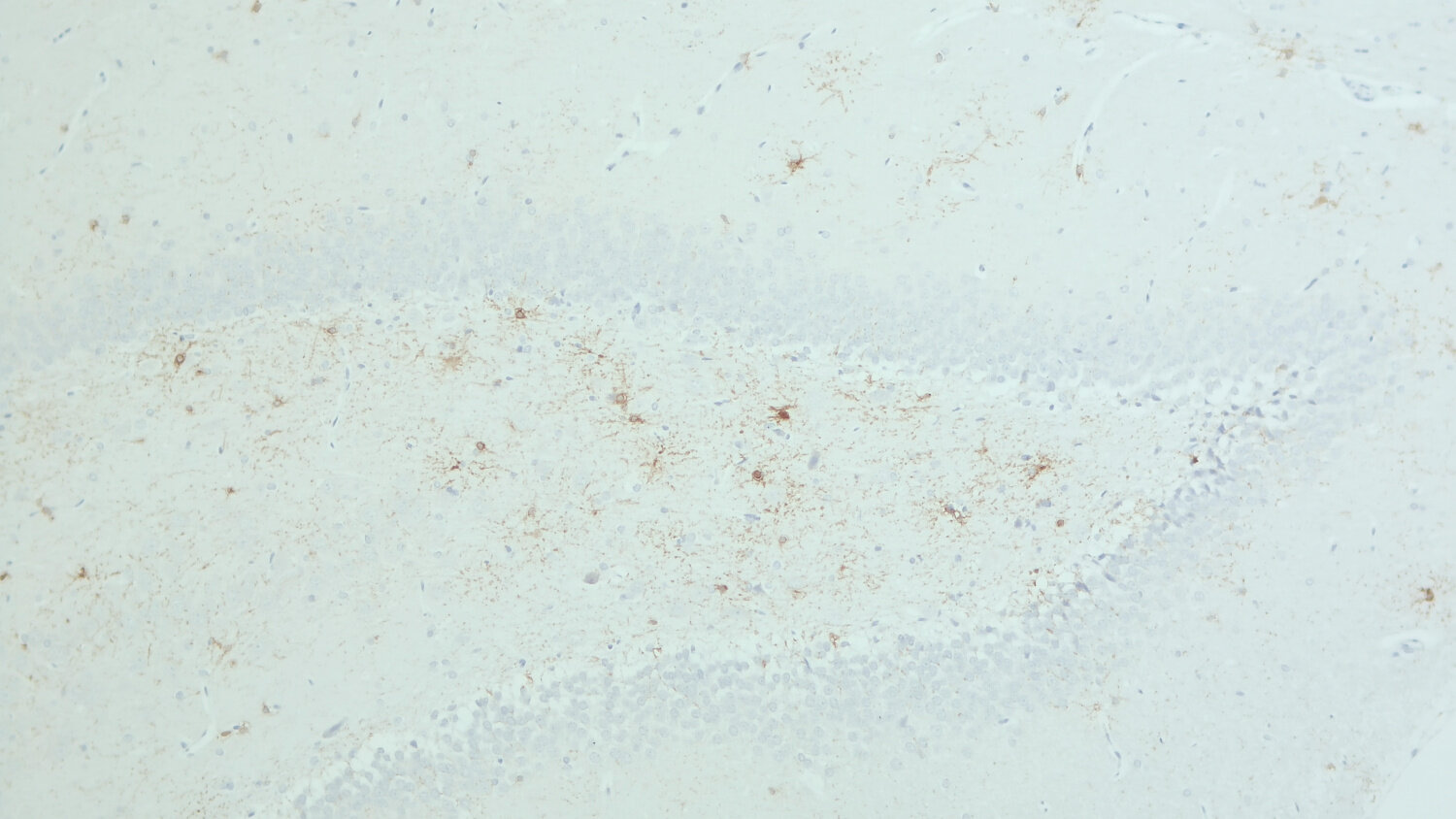
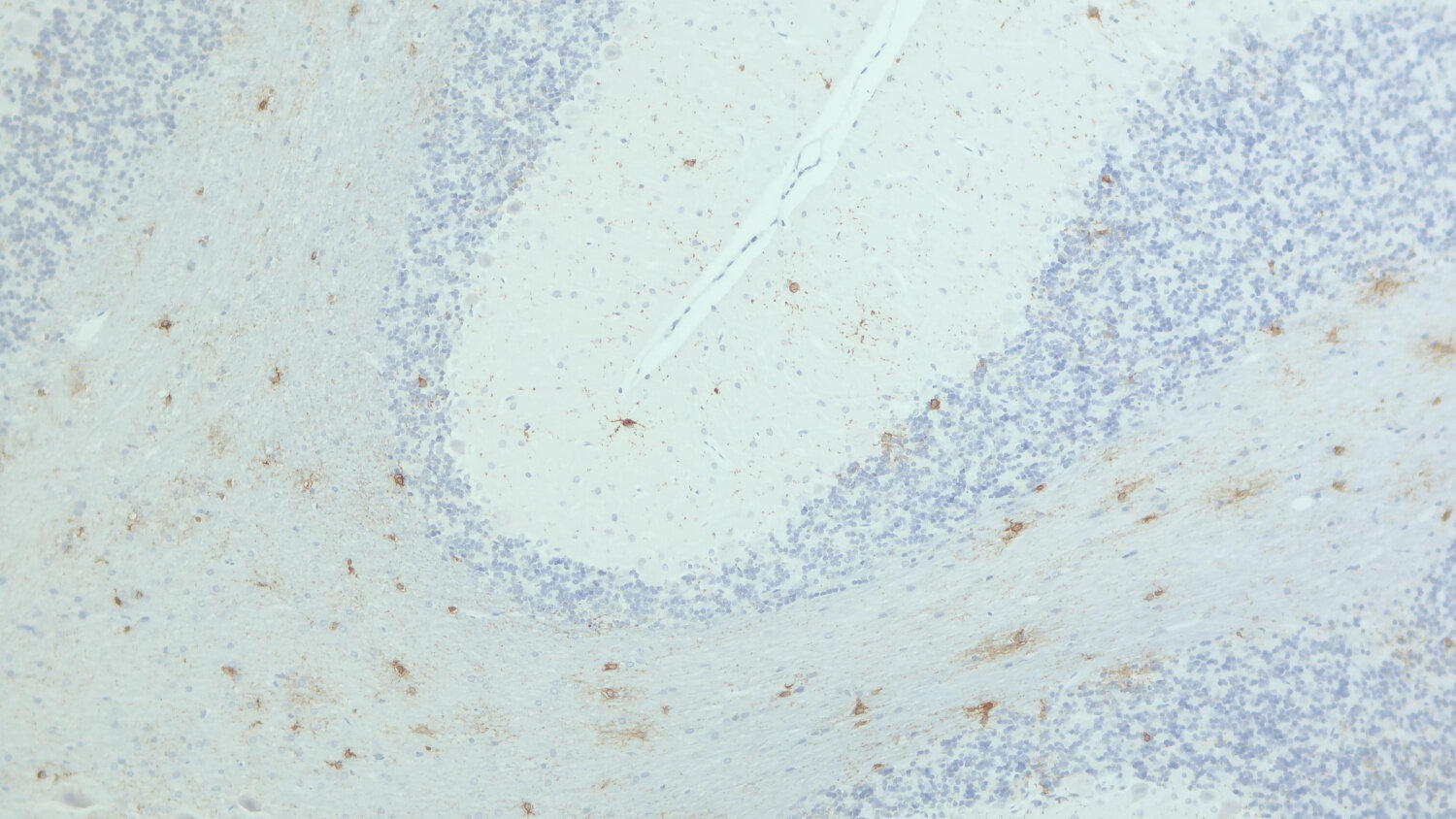
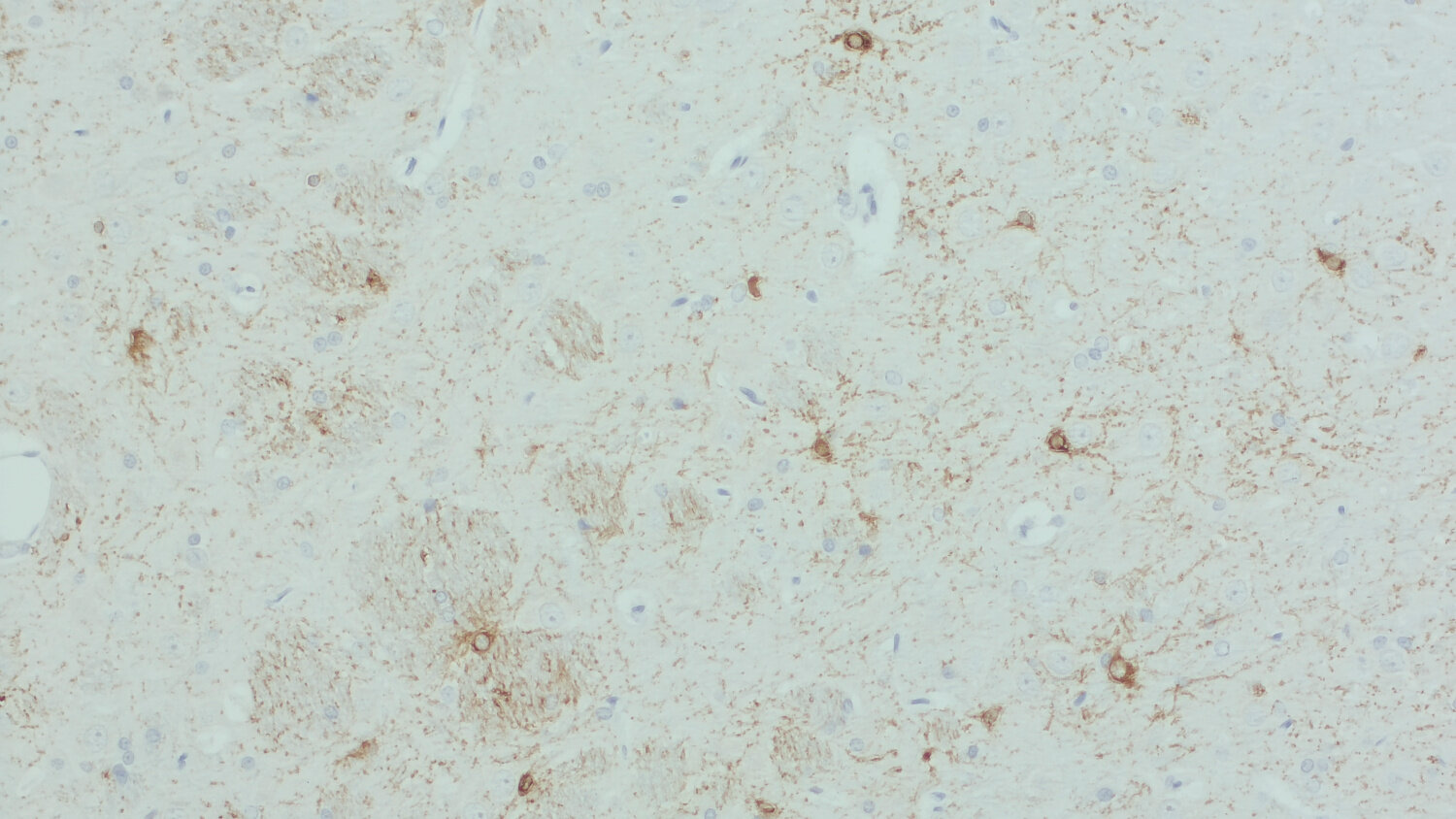
| Applications | |
| Clone | Gp203G7 |
| Subtype | IgG2 (κ light chain) |
| Immunogen | Synthetic peptide corresponding to C-terminal residues of mouse BCAS1 (UniProt Id: Q80YN3) |
| Reactivity |
Reacts with: mouse (Q80YN3). Weaker signal: rat (Q3ZB98). No signal: human (O75363-1). Other species not tested yet. |
| Remarks |
This antibody is a chimeric antibody based on the monoclonal mouse antibody SY-203G7. The constant regions of the heavy and light chains have been replaced with guinea pig specific sequences. The antibody can therefore be used with standard anti-guinea pig secondary reagents. The antibody has been expressed in mammalian cells. |
| Data sheet | Data Sheet 445_308 |
|
|
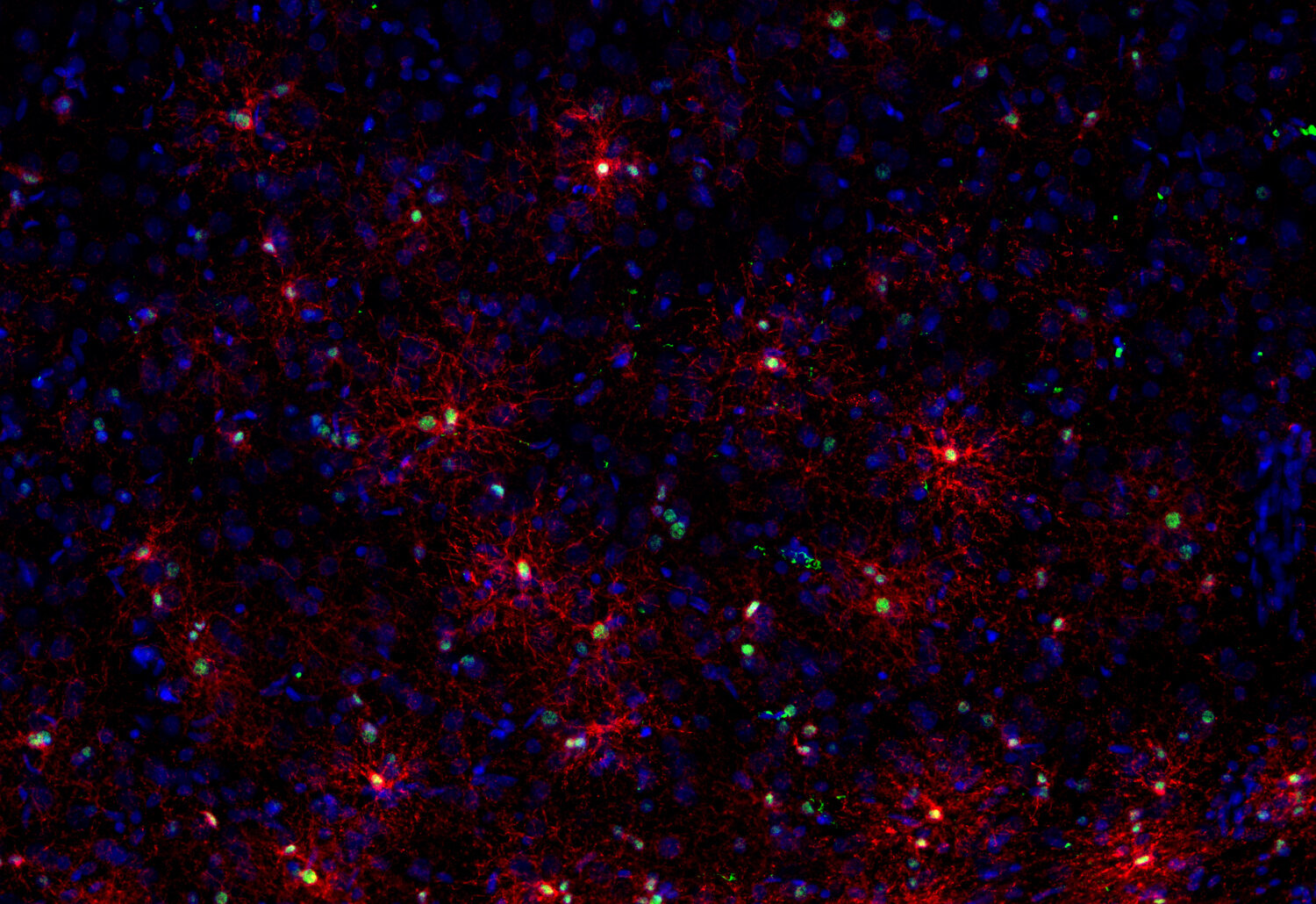
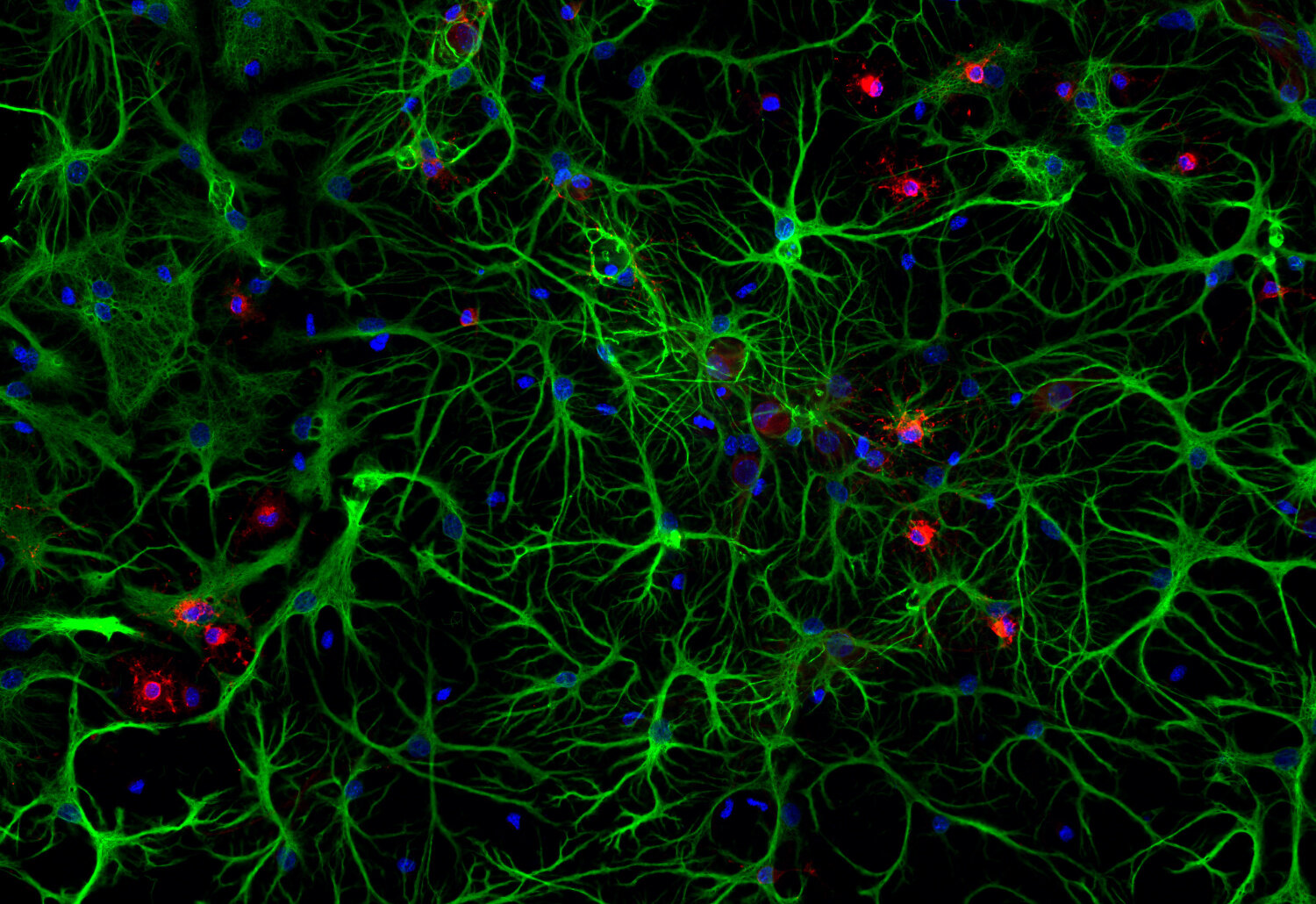
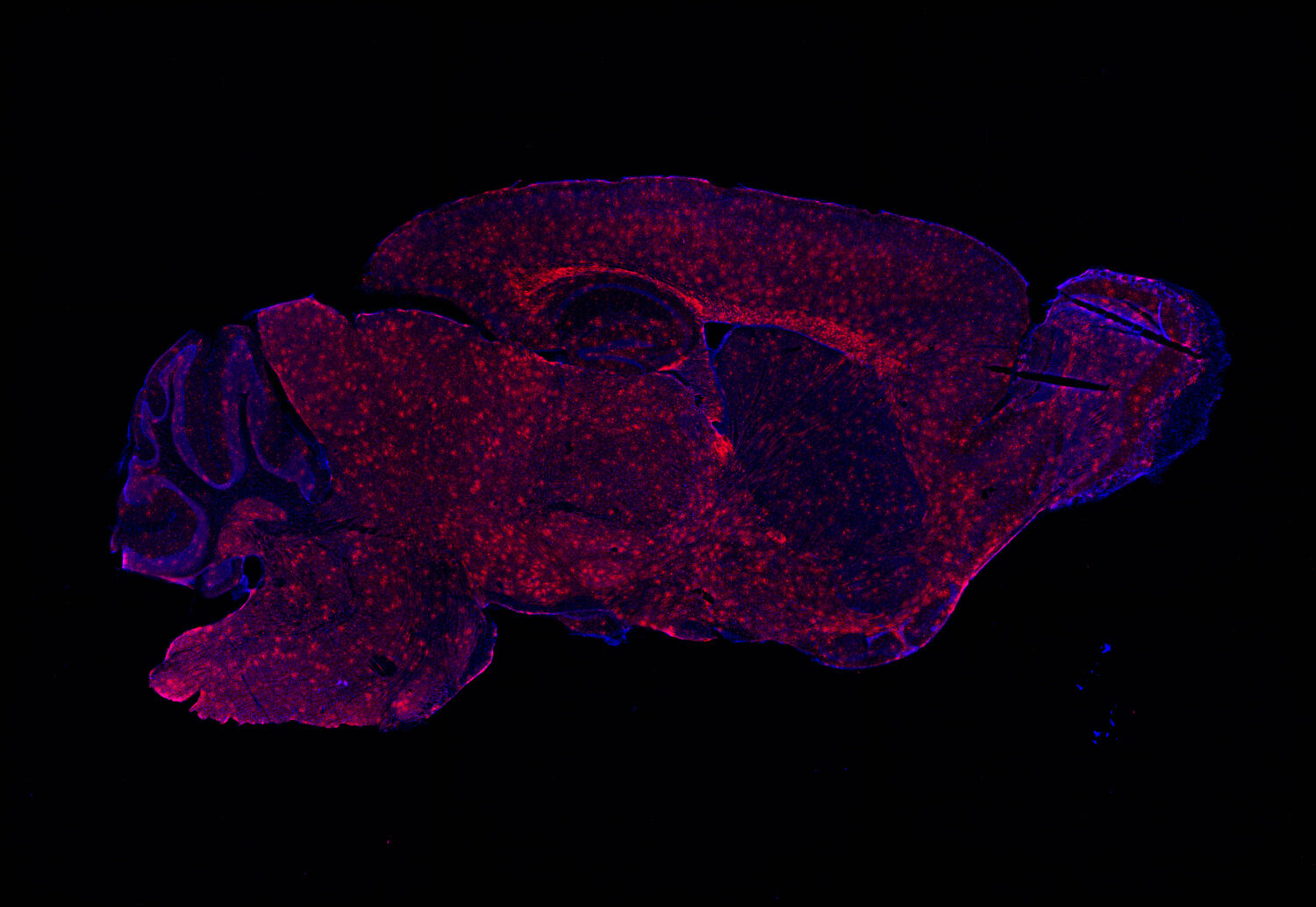
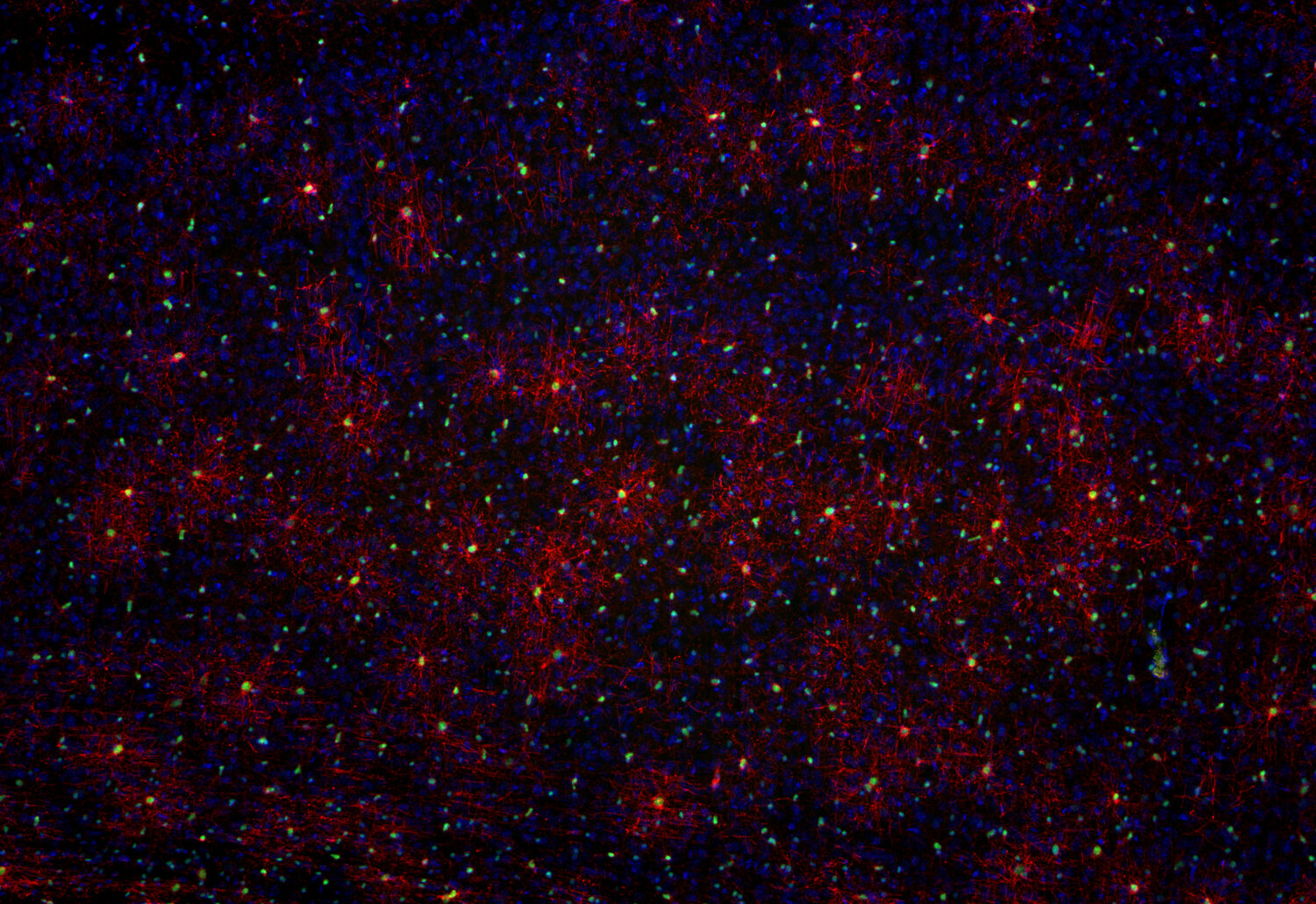
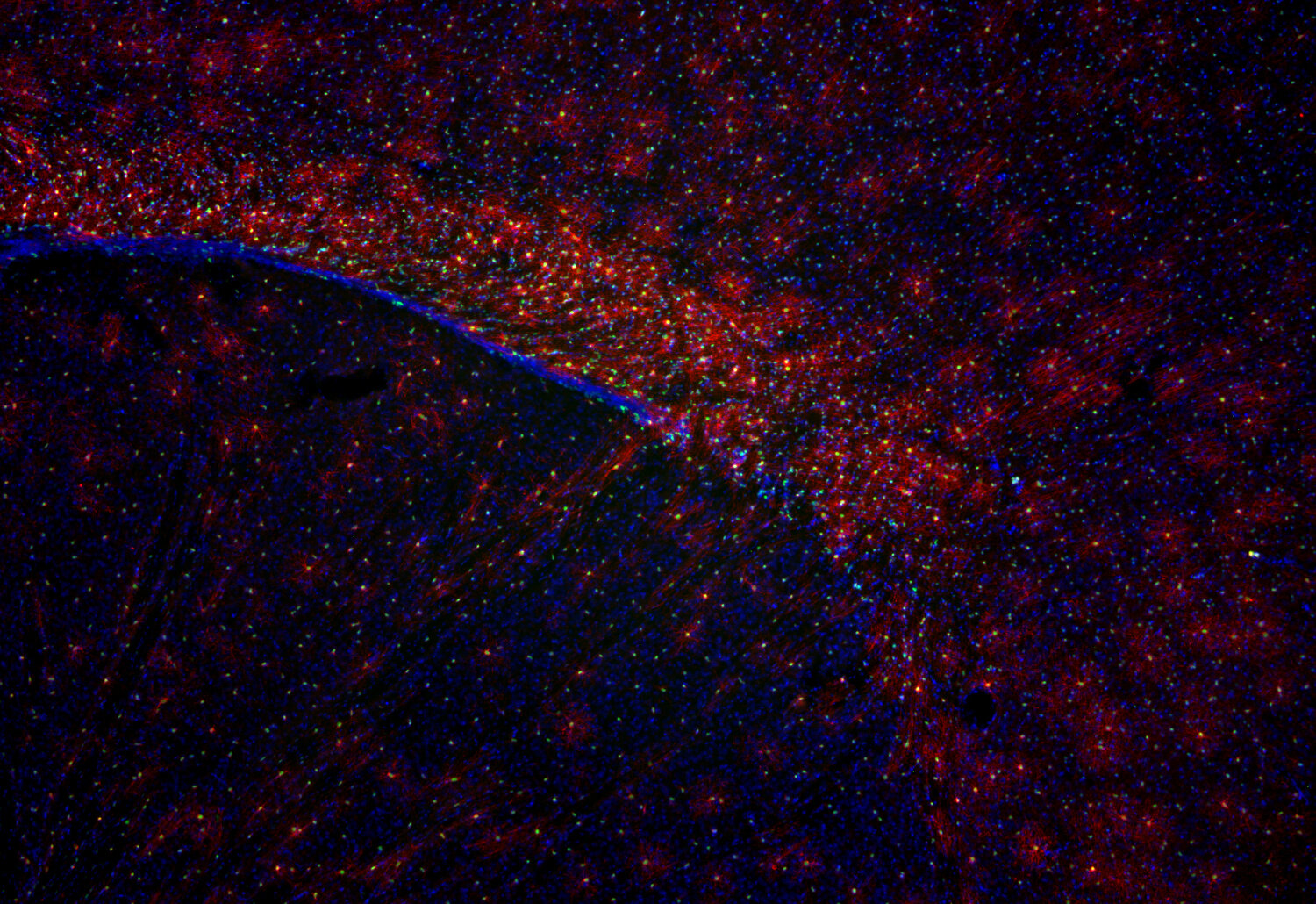
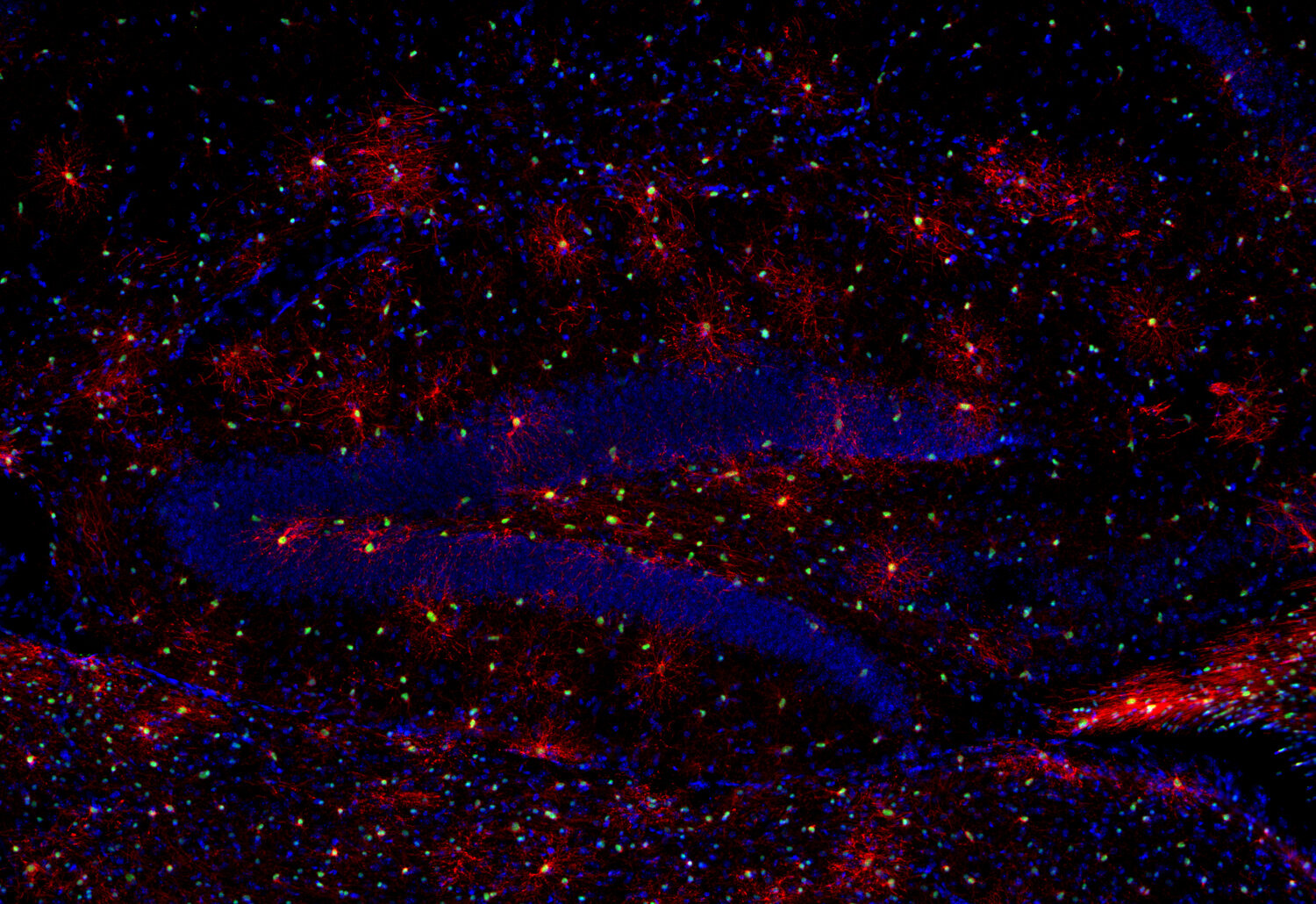
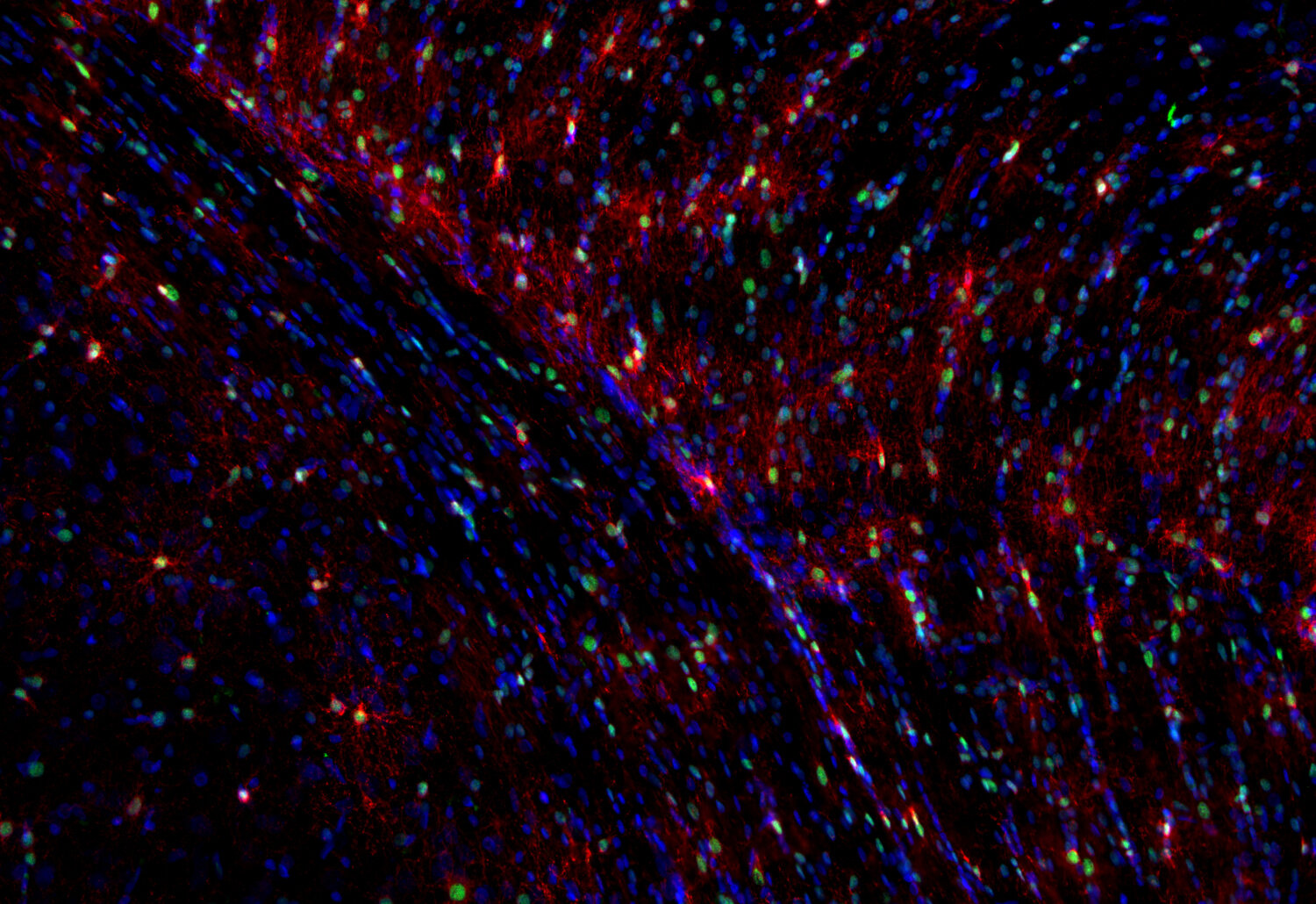
Immunofluorescence image of a rat cortex section stained for BCAS1 (red) and Olig2 (green)
BCAS1 (Breast Carcinoma Amplified Sequence 1) is widely recognized as a marker of newly formed, premyelinating and early myelinating oligodendrocytes in the central nervous system. Although initially identified because of its amplification in breast cancer [1], subsequent studies have established its predominant expression in the brain, particularly in regions undergoing active myelination or remyelination. BCAS1 expression is transient during oligodendrocyte maturation and declines as myelinating cells reach full maturity. In fetal brain BCAS1 positive oligodendrocytes are restricted to the white matter. In adult brains they persist in the grey matter until old age [2].
BCAS1 has been proposed to contribute to tumorigenesis and its expression has been found in neoplastic cells from non-CNS tissues, such as breast, prostate, pancreatic, colorectal and gastric cancer. BCAS1 also undergoes alternative splicing but the functional consequences of individual BCAS1 protein isoforms remain poorly characterized. The splice variant BCAS1-SV1 has been linked to high proliferation and migration rate in glioblastoma [3,4].
SYSY Antibodies has developed several BCAS1 antibodies against BCAS1 that recognize different BCAS1 isoforms.
For more information on protein expression pattern, please refer to the overview image in our SYSY Antibodies ATLAS.
Certificates
ISO 9001 2015 Quality Management System and Green Lab Platinum certification level for sustaining laboratory processes.

Newsletter
Sign up for our newsletter and get the latest updates and news.