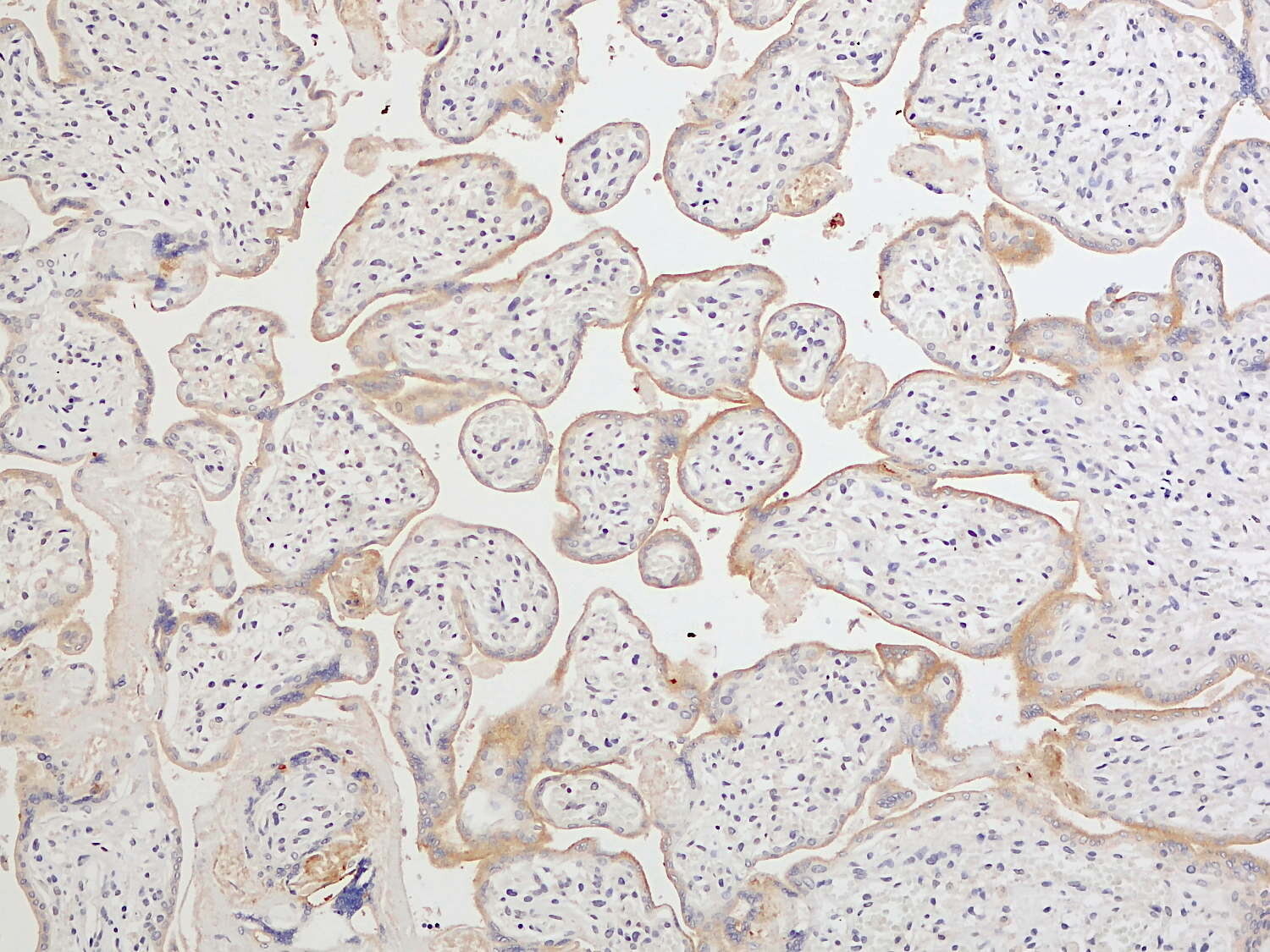
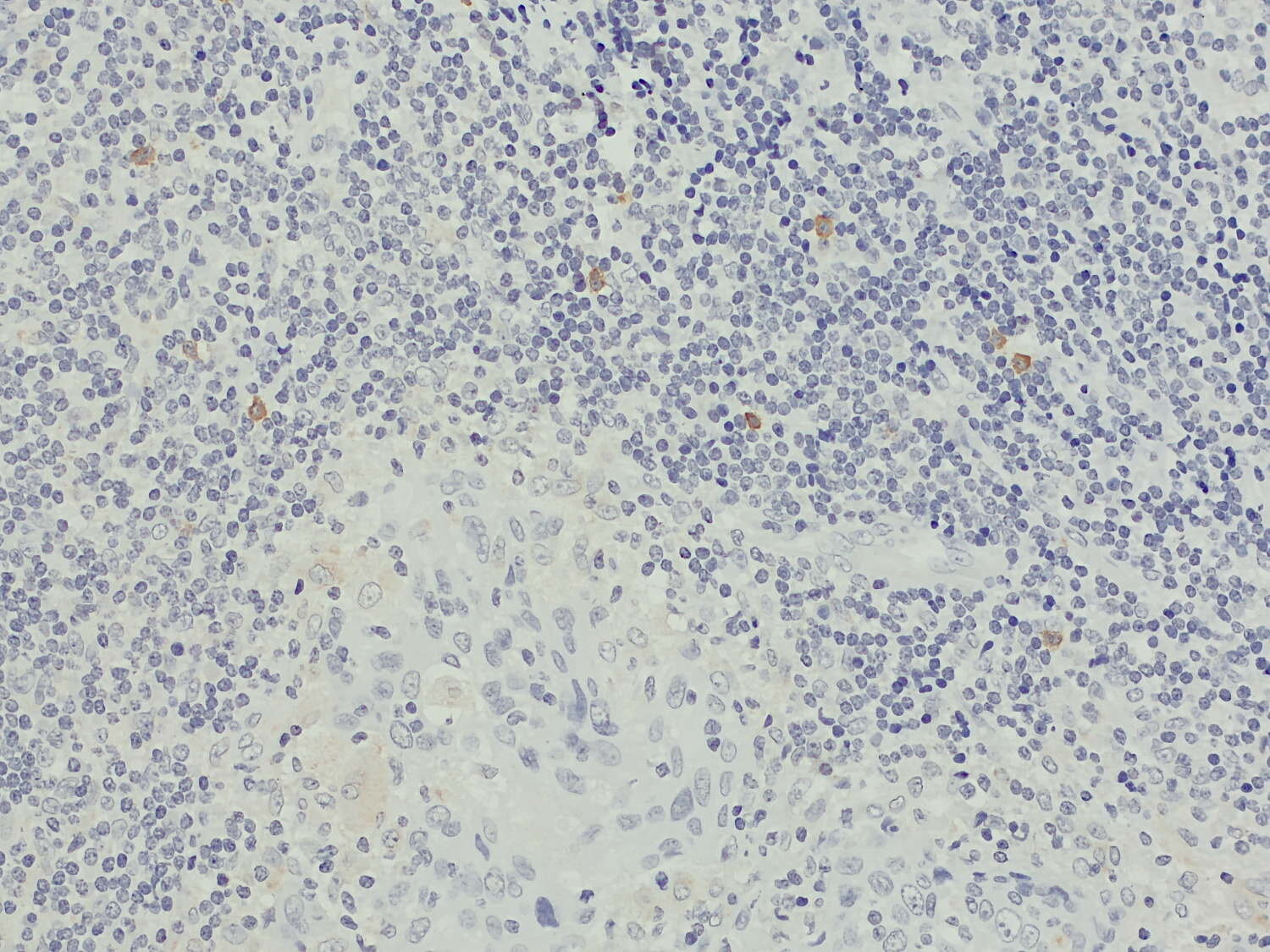
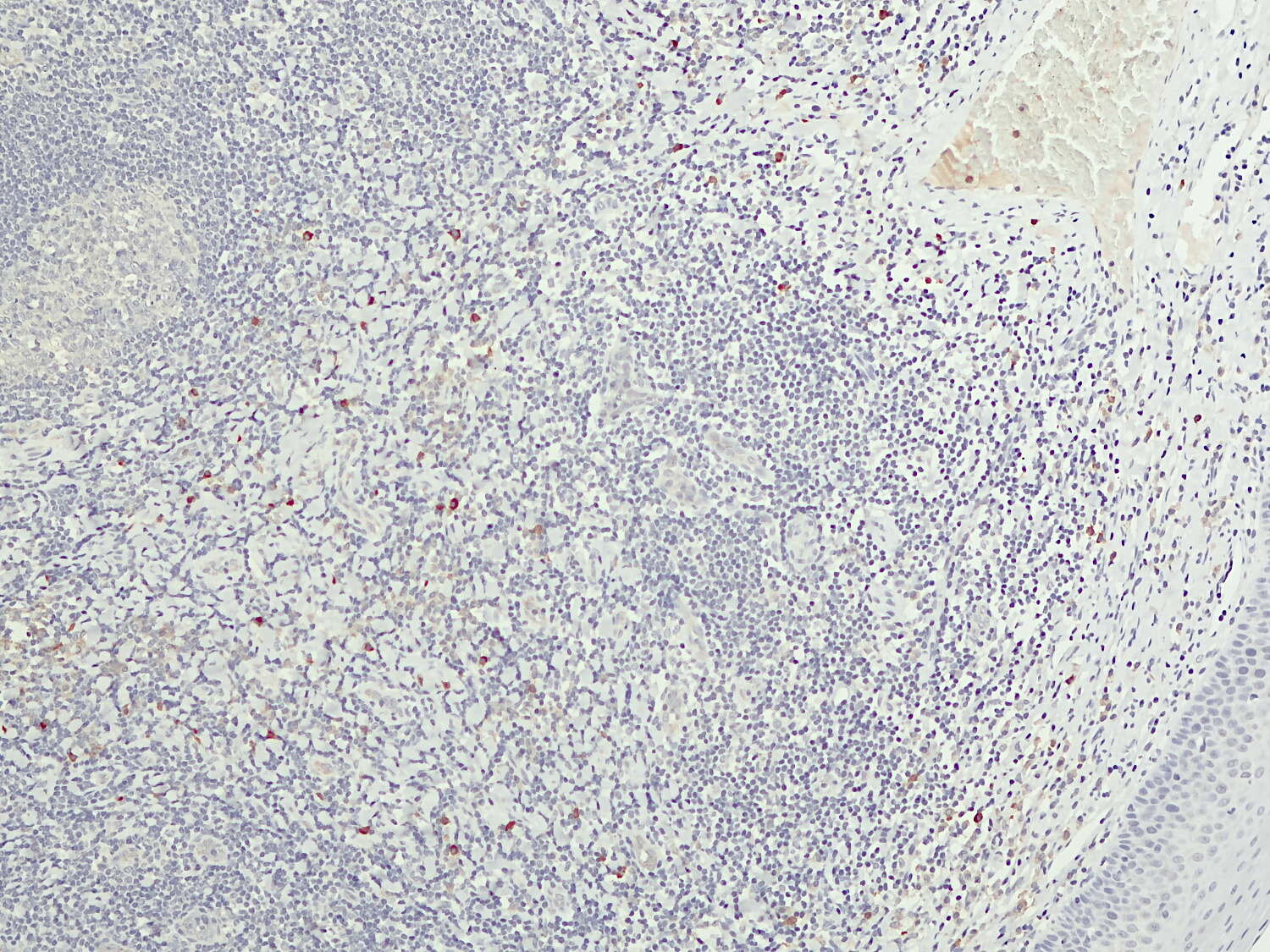
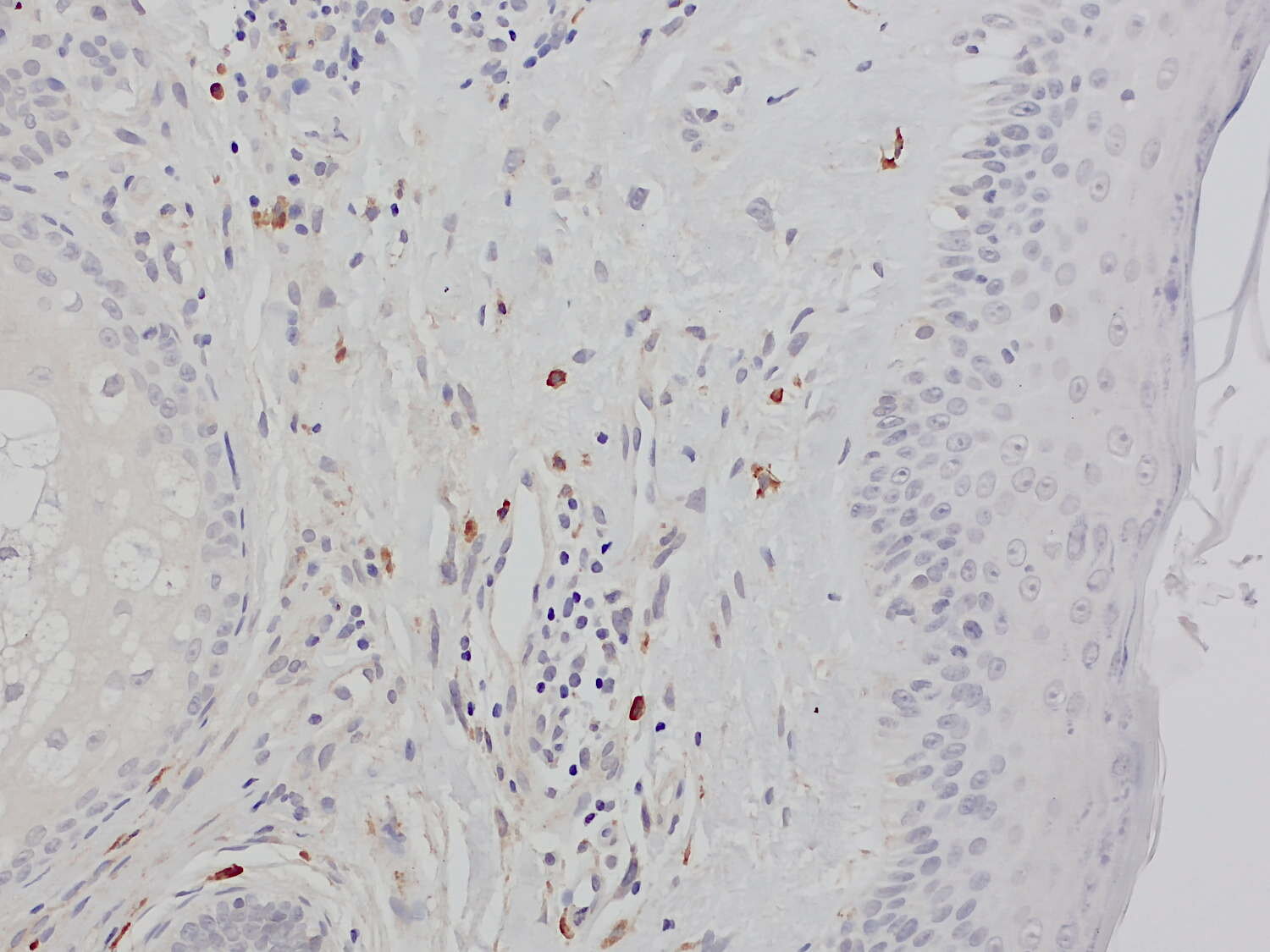
Cat. No.: 371 011
Amount: 100 µg
Price:
$420.00


|

|
|
| Cat. No. 371 011 |
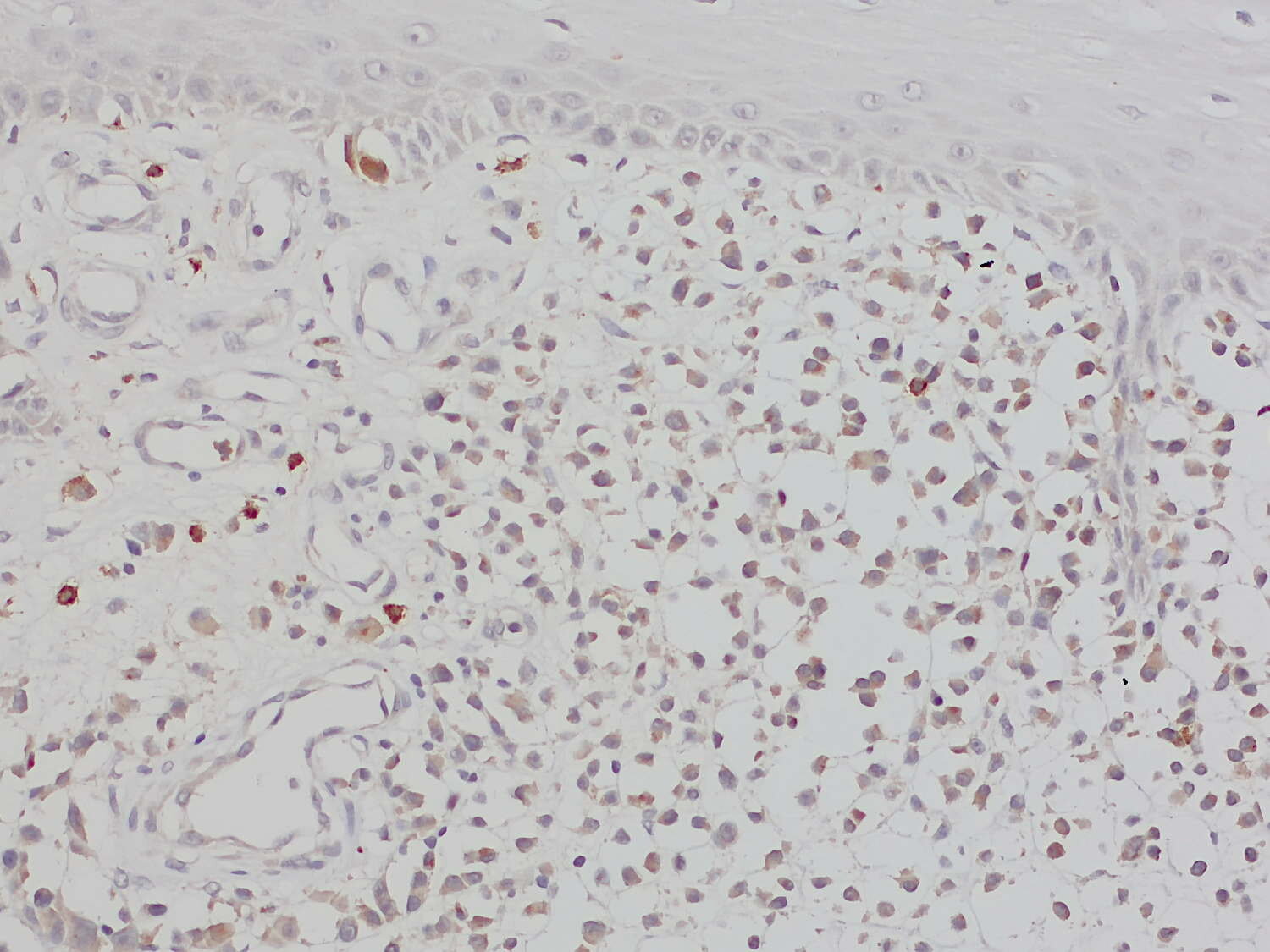
100 µg purified IgG, lyophilized. Azide was added before lyophilization. For reconstitution add 100 µl H2O to get a 1mg/ml solution in PBS. Then aliquot and store at -20°C to -80°C until use. Antibodies should be stored at +4°C when still lyophilized. Do not freeze! |
| Applications | |
| Clone | 101G9 |
| Subtype | IgG2b (κ light chain) |
| Immunogen | Purified human basophil granulocytes. (UniProt Id: P08962) |
| Epitop |
AA 103 to 203 from human CD63 (UniProt Id: P08962) |
| Reactivity |
Reacts with: human (P08962). Other species not tested yet. |
| Data sheet | Data Sheet 371_011 |
|
|
CD63, also known as melanoma-associated antigen ME491, is a member of the tetraspanin superfamily, which is characterized by proteins containing four transmembrane domains (1). CD63 is extensively N-glycosylated and is predominantly localized to late endosomes, lysosomes, secretory vesicles, and the plasma membrane (1–3). It is ubiquitously expressed in normal tissues and is markedly upregulated in activated basophils and mast cells, where it is required for efficient IgE-mediated degranulation (4,5).
In melanoma, CD63 is highly expressed during early stages of disease, where it has been implicated in the suppression of epithelial-to-mesenchymal transition (EMT); however, its expression is reduced in more advanced lesions (6). In addition, CD63 expression has been reported to possess prognostic significance in several other solid tumors (7).
Certificates
ISO 9001 2015 Quality Management System and Green Lab Platinum certification level for sustaining laboratory processes.


Newsletter
Sign up for our newsletter and get the latest updates and news.