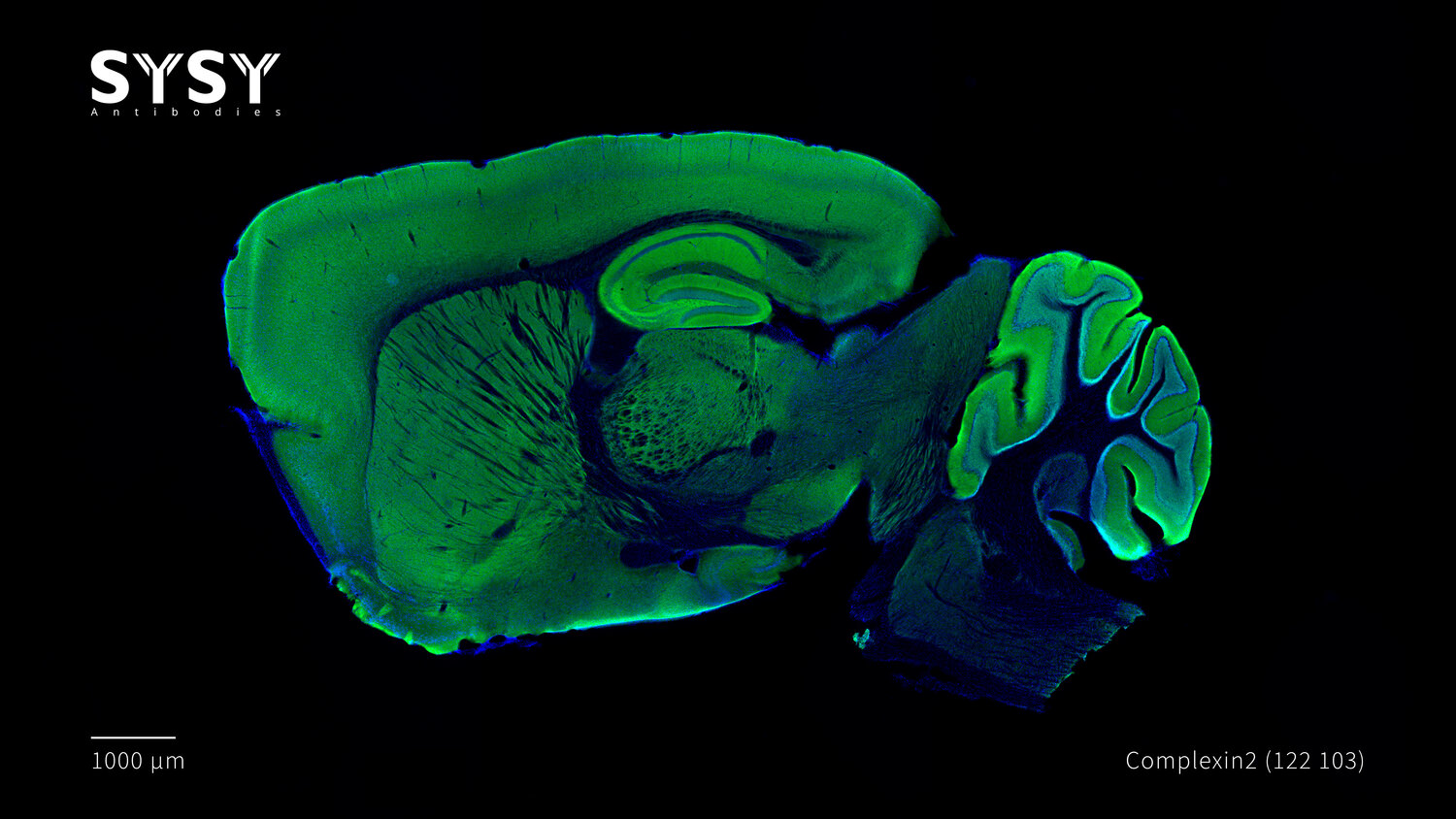
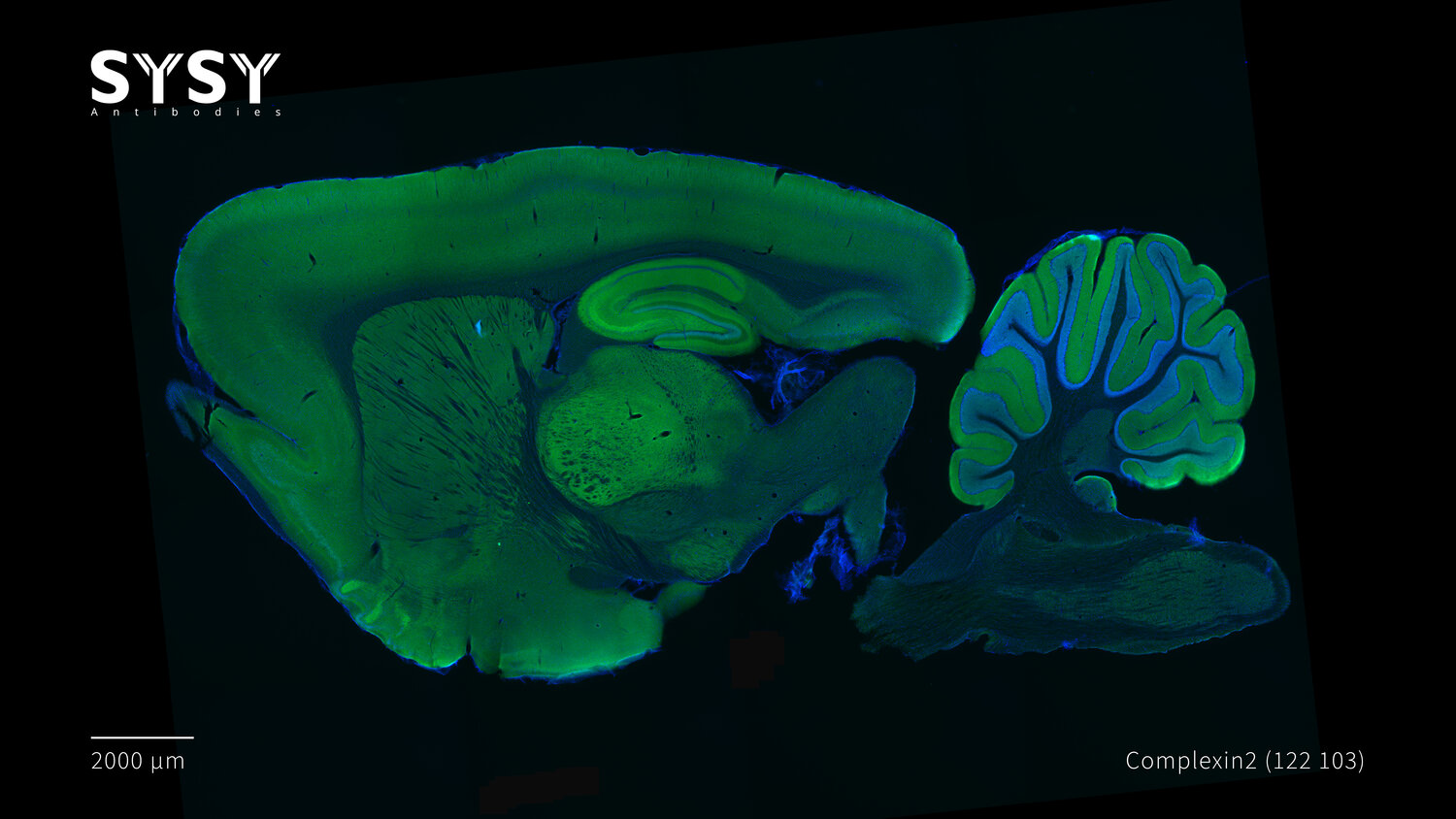
Cat. No.: 122 103
Amount: 50 µg
Price:
$380.00


|

|
|
| Cat. No. 122 103 |
50 µg specific antibody, lyophilized. Affinity purified with the immunogen. Albumin and azide were added for stabilization. For reconstitution add 50 µl H2O to get a 1mg/ml solution in PBS. Then aliquot and store at -20°C to -80°C until use. Antibodies should be stored at +4°C when still lyophilized. Do not freeze! |
| Applications | |
| Immunogen | Synthetic peptide within the SNARE binding domain of mouse Complexin2 (UniProt Id: P84086) |
| Reactivity |
Reacts with: mouse (P84086), rat (P84087). Other species not tested yet. Predicted to cross-react with human (Q6PUV4) due to high sequence homology. |
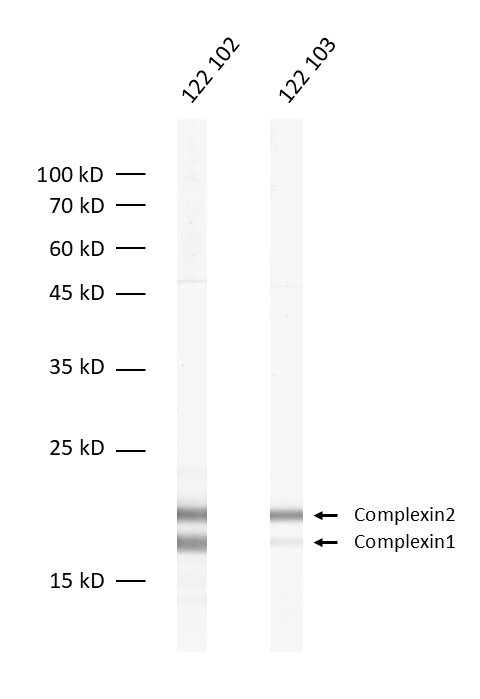
| Specificity | Antibody has a strong preference for Complexin2 and shows only minor cross-reactivity with Complexin1. |
| Data sheet | Data Sheet 122_103 |
|
|
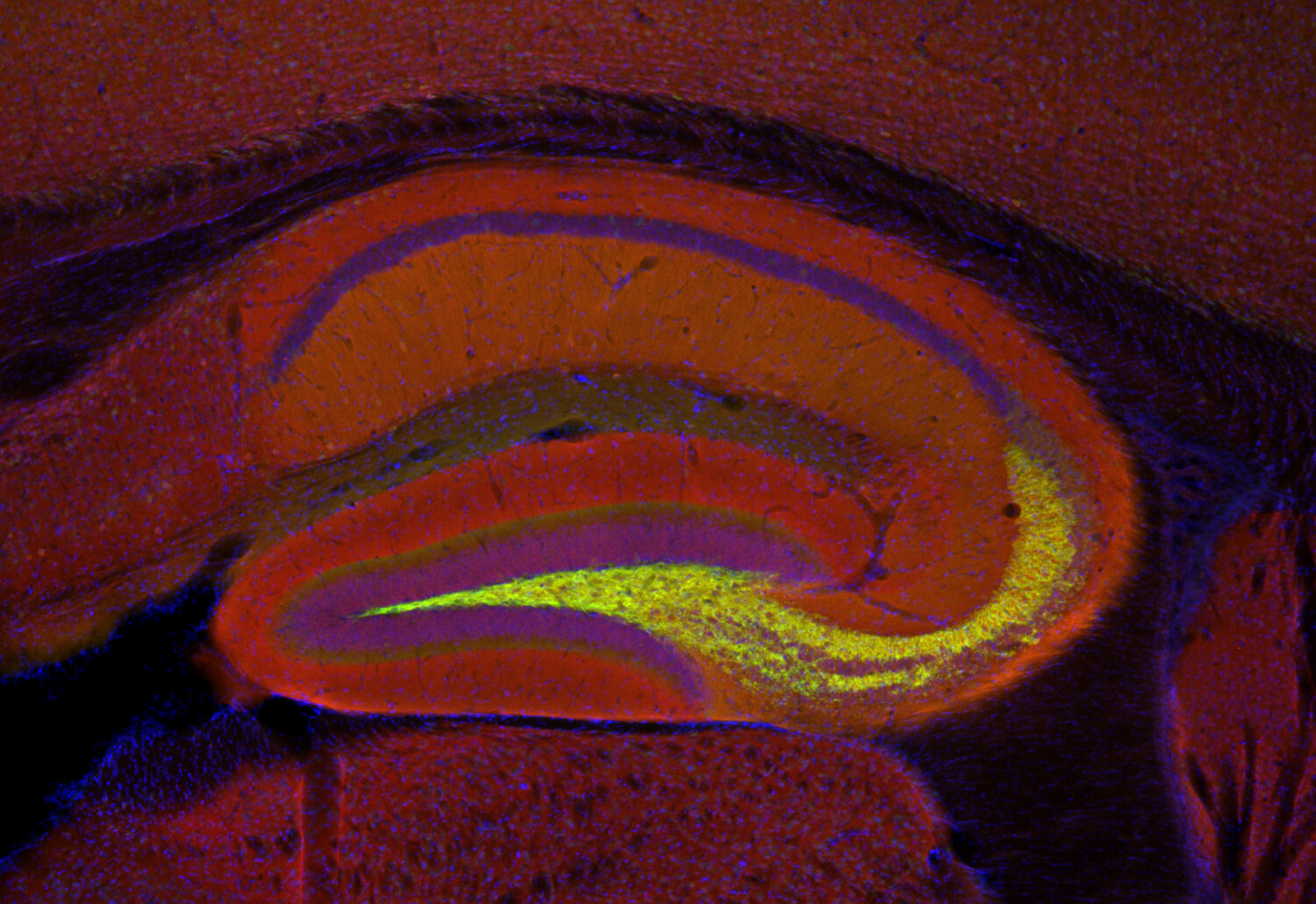
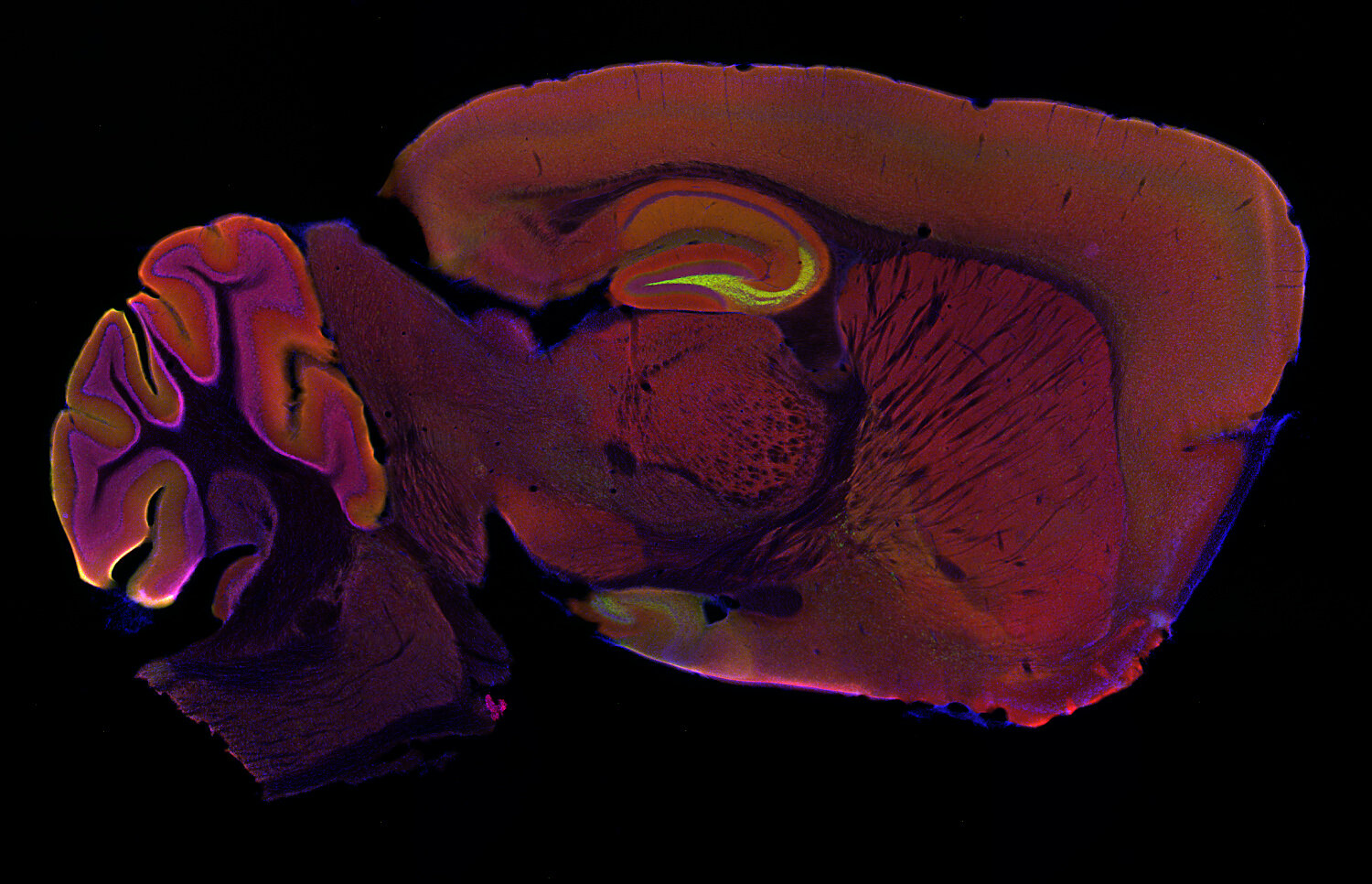
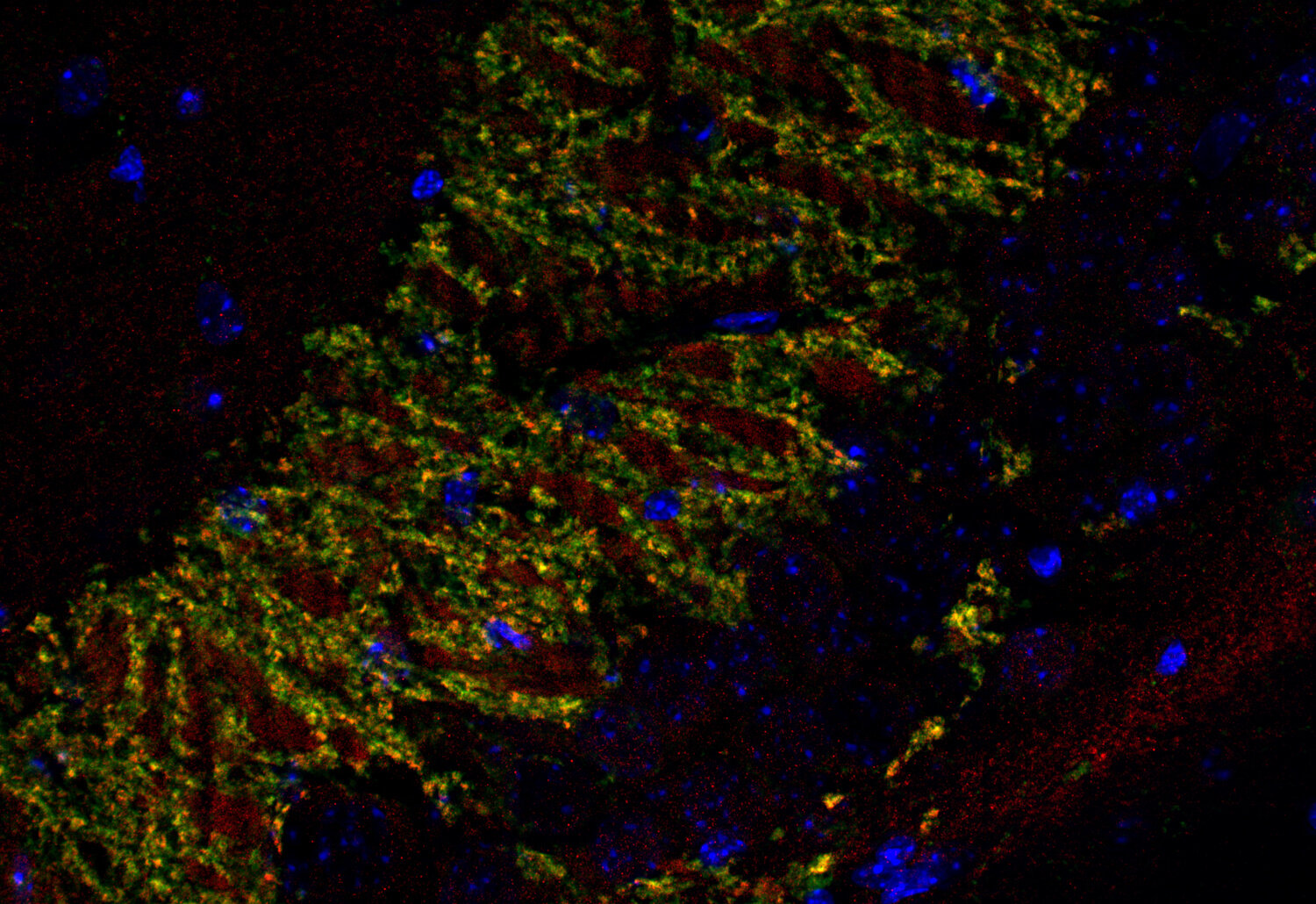
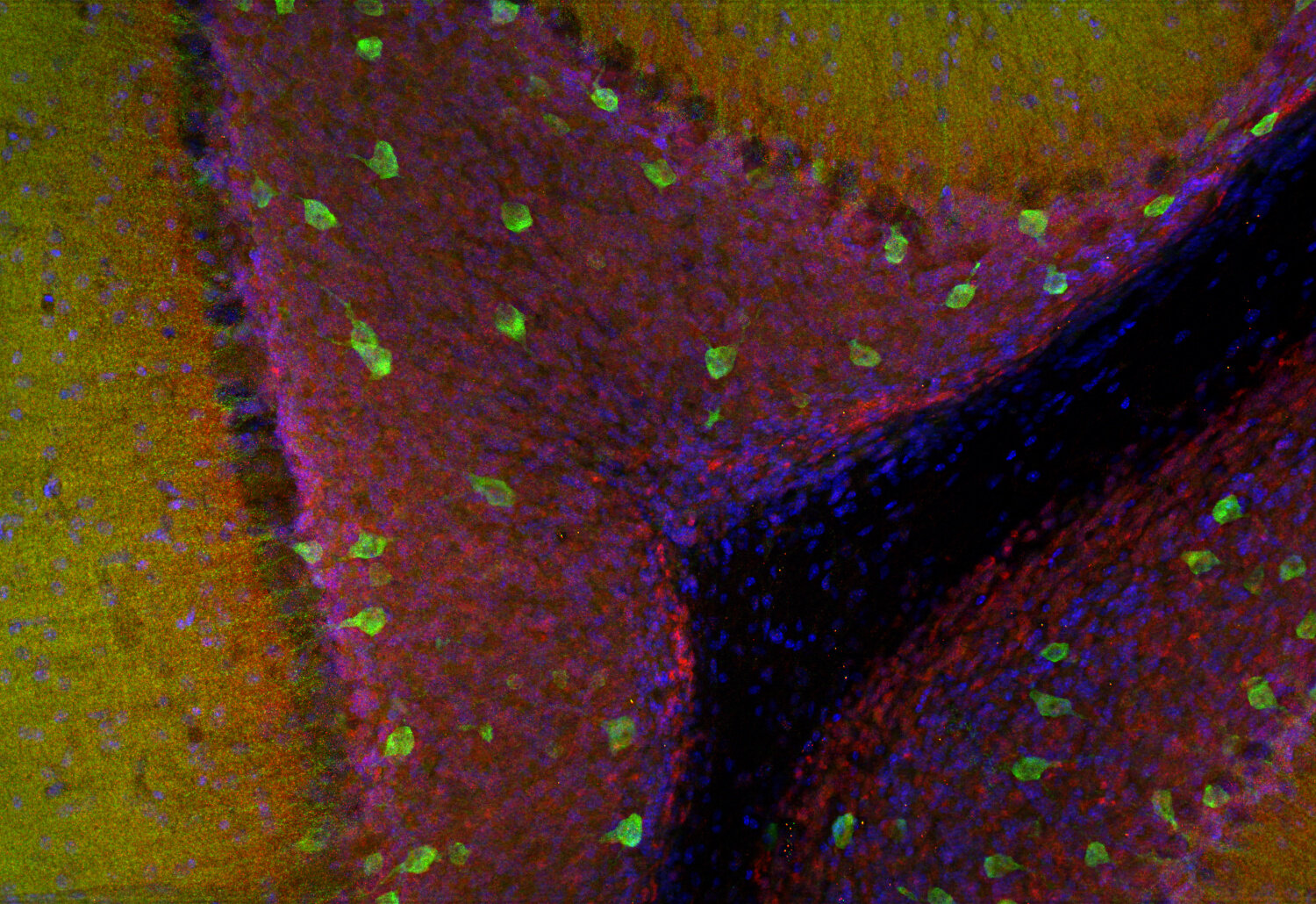
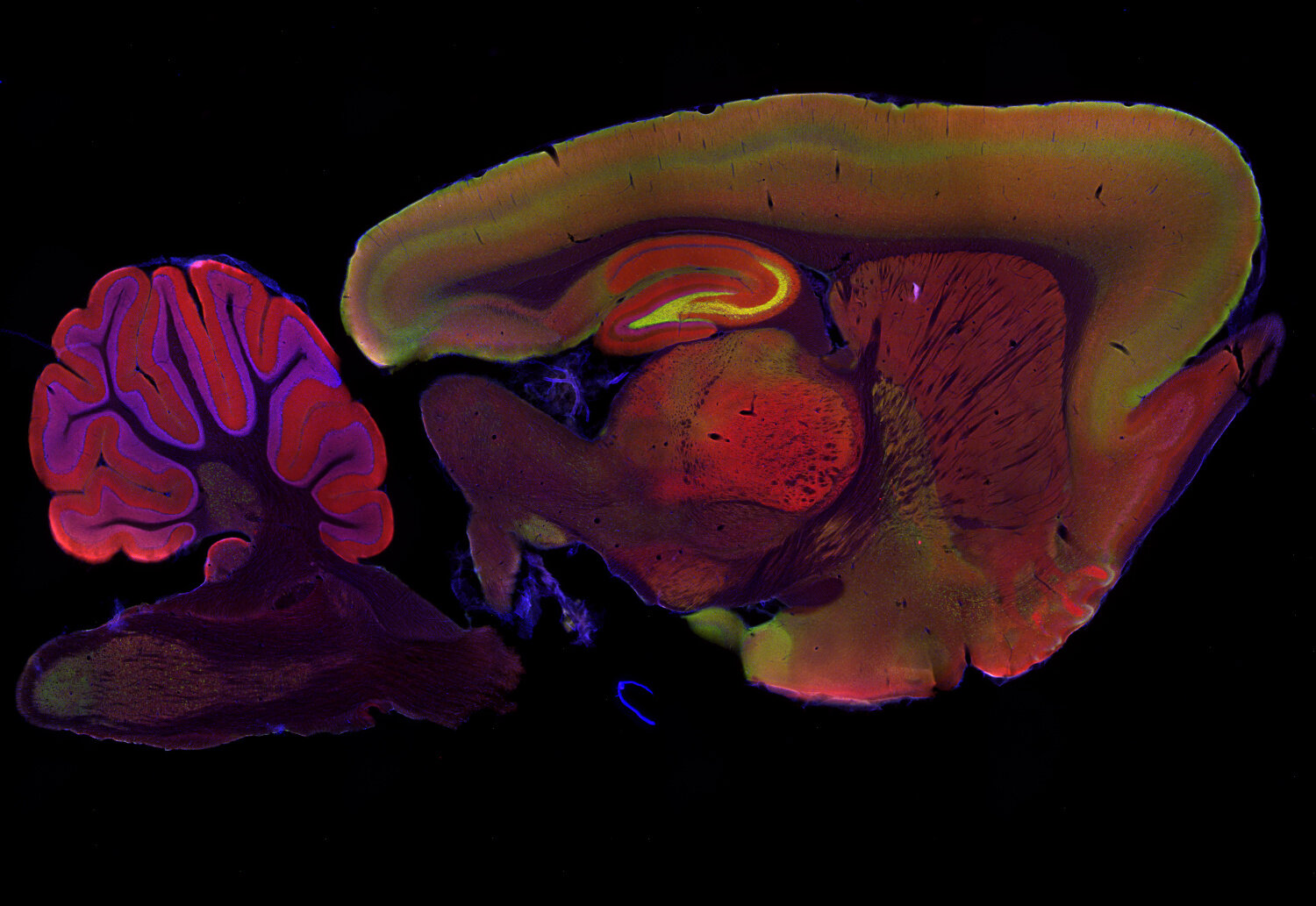
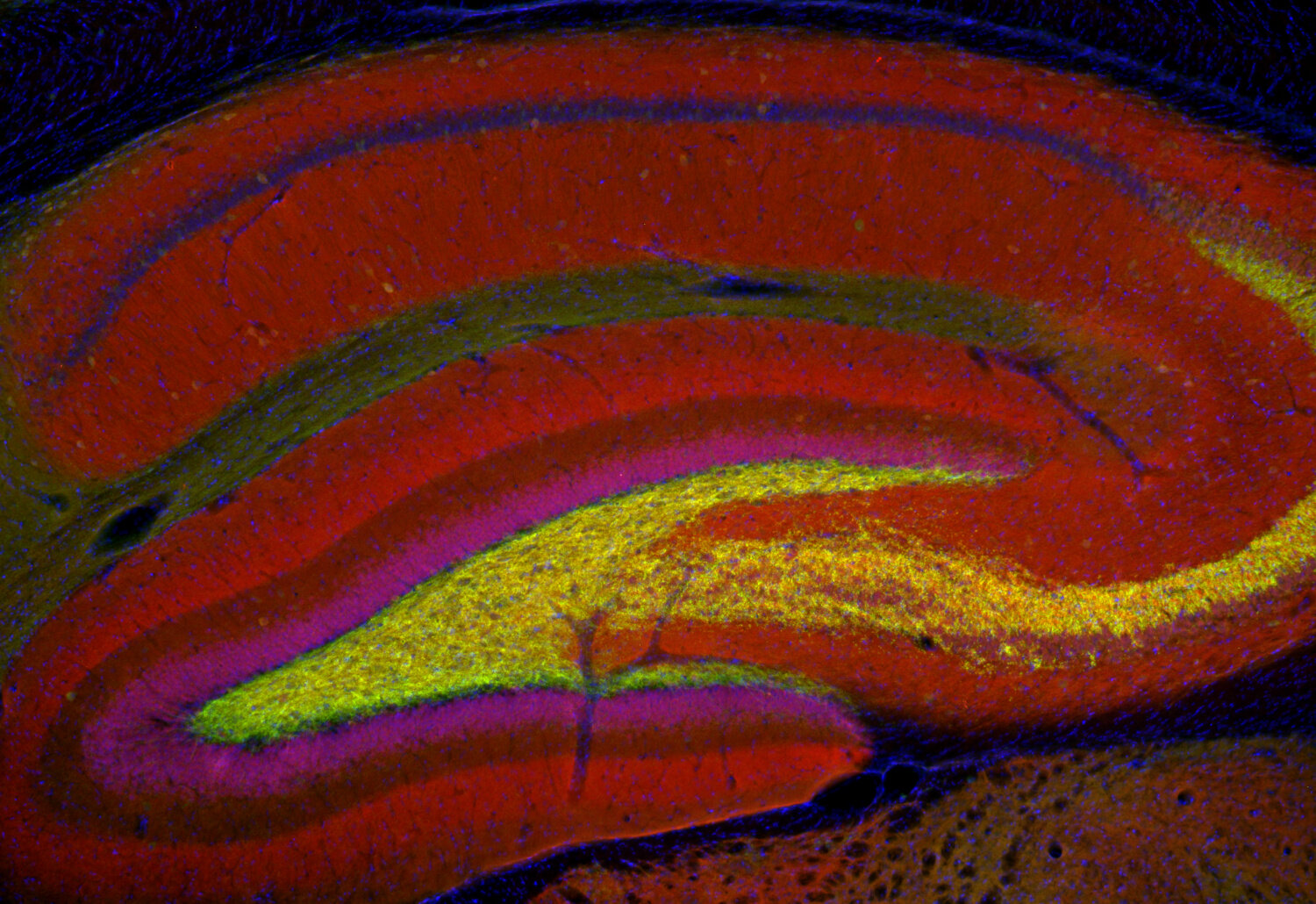
Complexin2 (red) and Synaptoporin (green) staining in a mouse hippocampus section
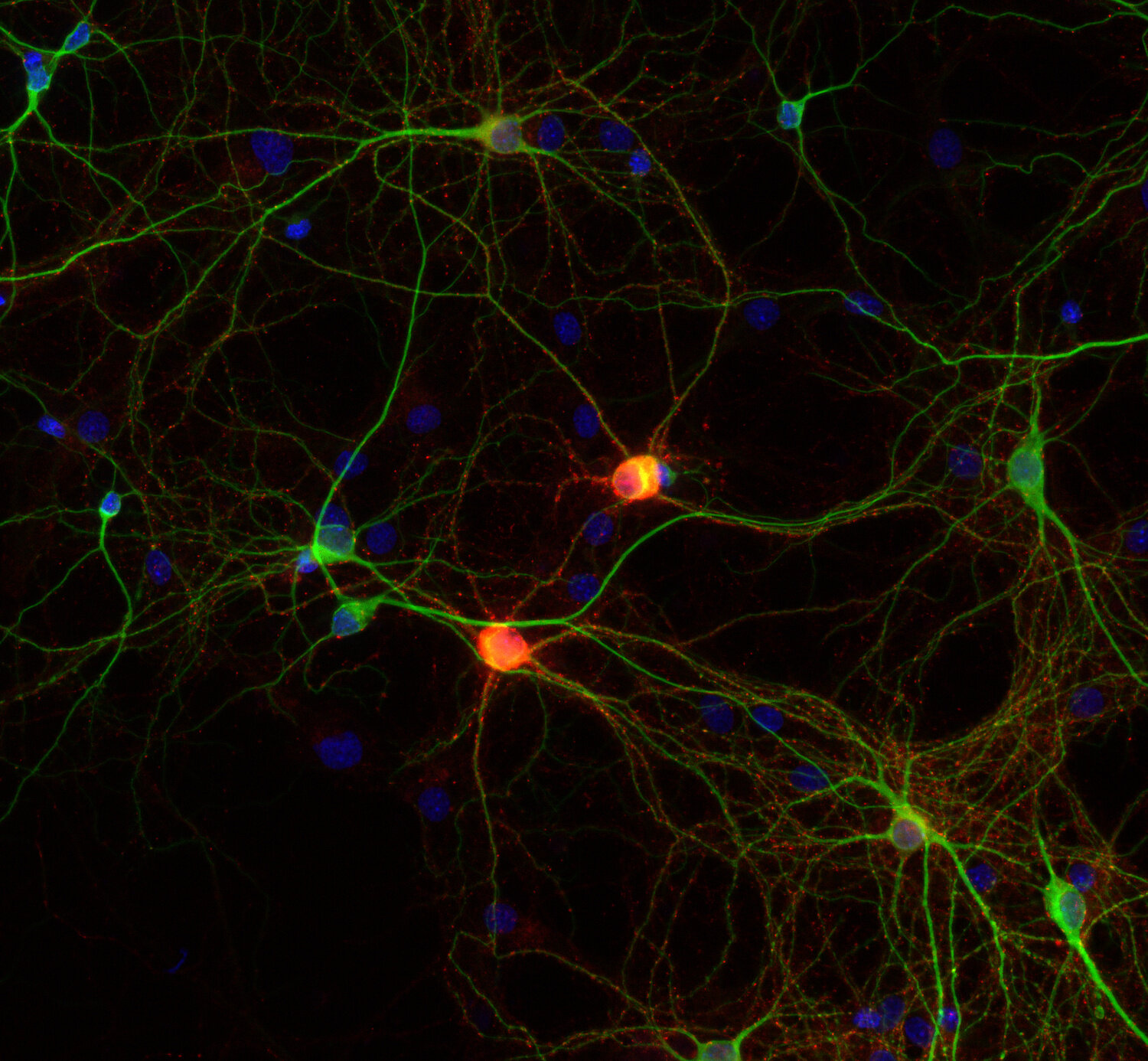
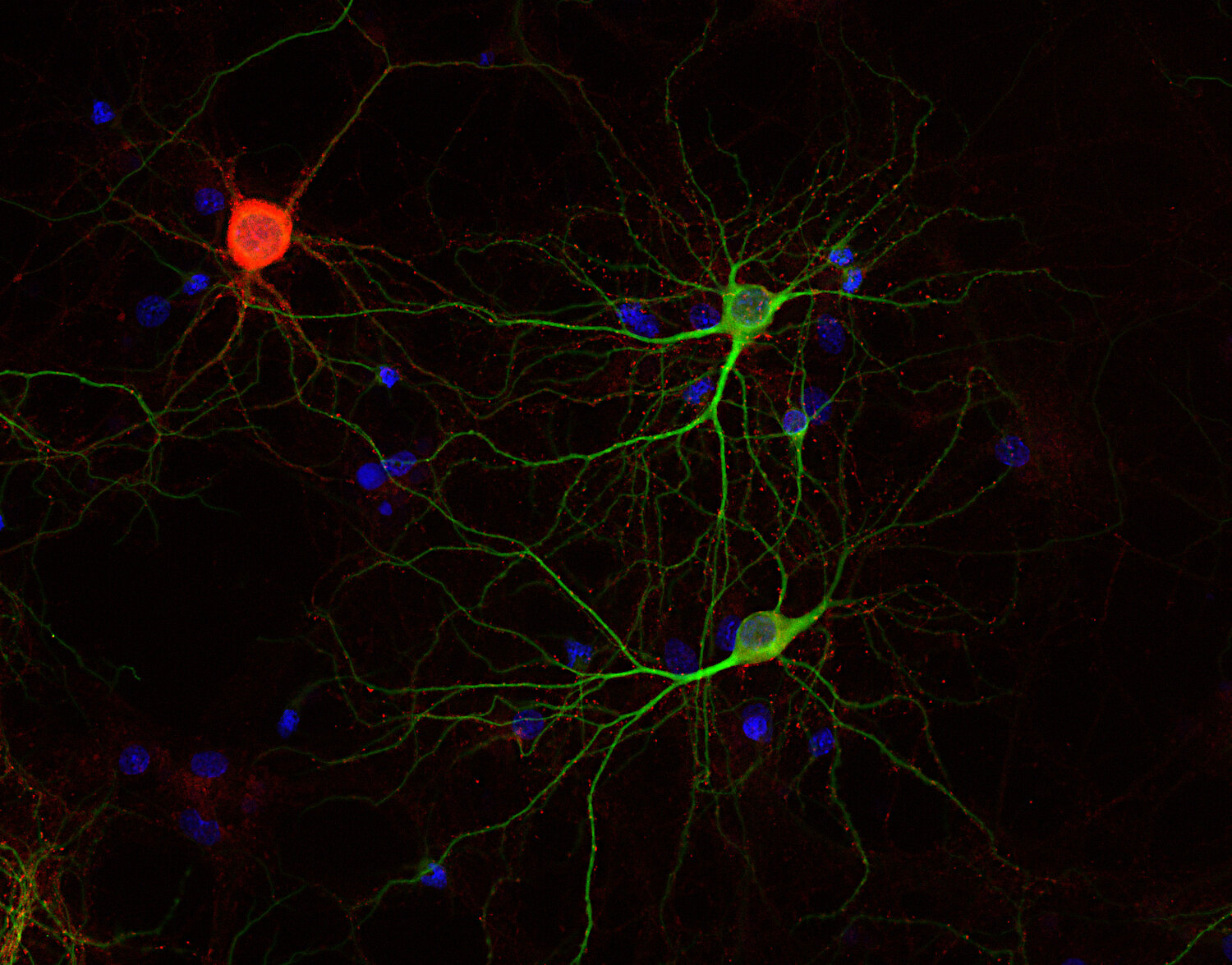
Complexins are enriched in neurons where they colocalize with syntaxin1 and SNAP25. In addition, complexin2, also referred to as synaphin1, is expressed ubiquitously at low levels. Complexins bind weakly to syntaxin1 alone and not at all to synaptobrevin and SNAP25, but strongly to the SNAP receptor-core complex composed of these three molecules. They compete with α-SNAP for binding to the core complex but not with other interacting molecules, suggesting that complexins regulate the sequential interactions of α-SNAP and synaptotagmins with the SNAP receptor during exocytosis.
In retinal ribbon synapses complexin3 and complexin4 functionally replace complexin1 (synaphin2) and complexin2. They have similar biochemical binding properties and are farnesylated at their C-terminus.
For more information on protein expression pattern, please refer to the overview image in our SYSY Antibodies ATLAS.
Certificates
ISO 9001 2015 Quality Management System and Green Lab Platinum certification level for sustaining laboratory processes.


Newsletter
Sign up for our newsletter and get the latest updates and news.